




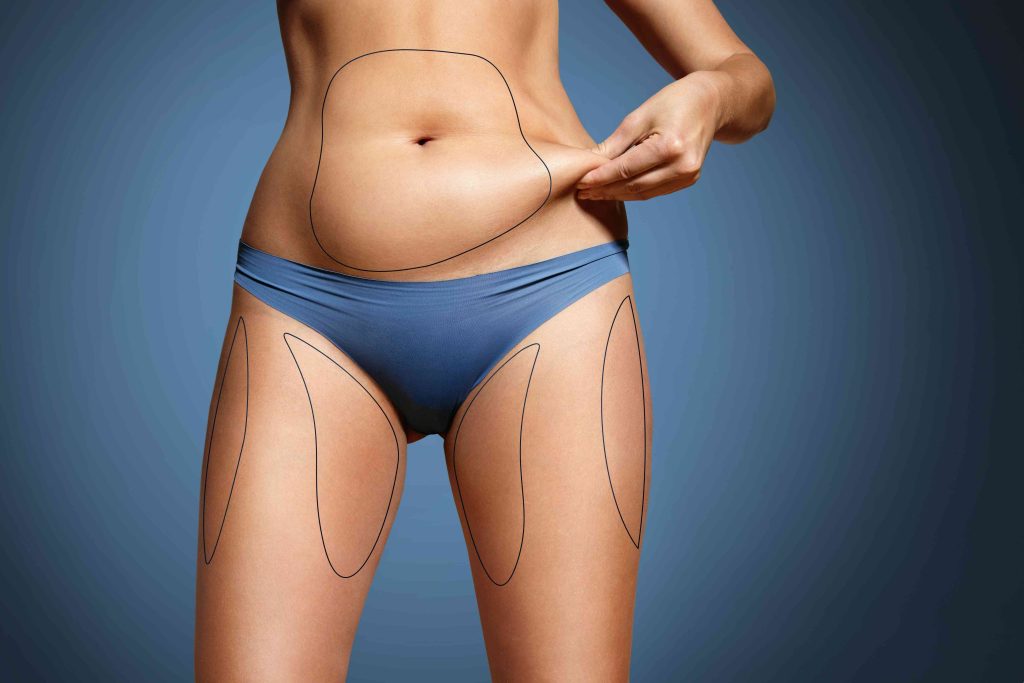
Many people struggle with stubborn fat, even with a healthy lifestyle. The good news? Liposuction can help. It’s a popular and safe cosmetic procedure that sculpts the body by removing diet- and exercise-resistant fat pockets.
In this guide, we’ll explore everything you need to know about liposuction — from how it works to the results you can expect. We’ll also discuss the benefits and risks, and how to choose the right plastic surgeon.
Contents
- 1 What is Liposuction?
- 2 Common areas to get Liposuction
- 3 Benefits of Liposuction
- 4 Disadvantages and risks
- 5 Ideal candidates for Liposuction
- 6 Types of Liposuction
- 7 Cost of Liposuction
- 8 The Liposuction procedure
- 9 Recovery and aftercare
- 10 Common side effects
- 11 Before and after results photos
- 12 How long do the results of Liposuction last?
- 13 FAQ
- 14 Choosing the best plastic surgeon for your Liposuction procedure
- 15 Achieve your dream body with Liposuction at Roham Plastic Surgery
- 16 Sources
What is Liposuction?
Liposuction is a surgery that removes excess fat from specific body parts. It’s different from other fat reduction methods, like diet and exercise. Those can help you lose overall body fat, but can’t target specific areas.
This cosmetic surgery procedure involves using a cannula to suction out fat from under the skin. The result is a smoother, more toned appearance in the treated areas.
Common areas to get Liposuction
Liposuction eliminates unwanted fat from almost any part of the body.
Some common areas include:
- Abdomen and waist
- Hips and buttocks
- Thighs (inner and outer)
- Upper arms
- Back (upper and lower)
- Inner knees
- Chest area (particularly in men with enlarged breast tissue)
- Chin and neck
- Calves and ankles
Benefits of Liposuction
Liposuction offers several benefits for men and women:
Targeted fat removal
Liposuction allows your surgeon to remove fat from specific body areas. This means you can contour and shape spots that bother you, like love handles or a double chin.
Treat multiple areas
Liposuction can treat several body parts like the love handles and thighs in one procedure. This lets you save time and money compared to having separate surgeries for each area.
Fast results
You’ll see a noticeable difference in your body shape right after liposuction.
Improved self-esteem
Many patients find that liposuction helps them feel more comfortable in their own skin.
Disadvantages and risks
Like any surgical procedure, liposuction has potential risks and downsides to consider:
Post-surgery complications
There’s a small chance of complications with any surgery. Some may experience bleeding, infection, and allergic reactions to anesthesia.
Uneven results
If your surgeon isn’t skilled in liposuction, there’s a risk of ending up with lumpy results.
Temporary side effects
After liposuction, you may experience temporary numbness, swelling, and bruising in the treated areas.
Steep cost
Insurance usually won’t cover liposuction. This means you’ll need to pay for it out of pocket. According to the American Society of Plastic Surgeons, liposuction costs around $4,450 on average [1].
Ideal candidates for Liposuction
Liposuction can be a fantastic option for many people, but it’s not for everyone.
The best candidates:
Are close to their ideal weight
Liposuction works best for people who are within 30 pounds of their goal weight. It’s not a substitute for weight loss.
Have good skin elasticity and muscle tone
If your skin is firm and bounces back when you pinch it, you’ll likely have good results from liposuction. Loose, saggy skin may not conform well to your new body shape.
Have specific fat pockets
Liposuction is best for removing localized fat deposits that stay put even when you lose weight through diet and exercise.
Are in good health
If you have medical conditions that could slow healing or increase the risk of complications, liposuction may not be safe for you.
Are non-smokers
Smoking can interfere with healing after surgery. If you smoke, you’ll need to quit for at least four to six weeks before and after liposuction.
Are realistic about expectations
Liposuction can improve your body shape, but it’s crucial to have realistic goals for what the procedure can achieve.
Types of Liposuction
Surgeons use several liposuction methods and each one works differently:
Tumescent Liposuction
Tumescent liposuction involves injecting a solution with a local anesthetic and epinephrine into the treatment area. This solution helps numb the area, reduce bleeding, and make the fat easier to remove. Then, the surgeon makes a small incision and uses a cannula to suction out the fat [2].
Ultrasound-assisted Liposuction (UAL)
In ultrasound-assisted liposuction, ultrasound energy melts the fat before it’s suctioned out [3]. This can help remove fat from dense, fibrous areas like the back or male chest. The ultrasound energy also helps firm the skin.
Laser-assisted Liposuction (LAL)
Similar to UAL, laser-assisted liposuction uses laser energy to melt the fat before it’s removed. The laser can also stimulate collagen production, which helps tighten and firm the skin after the procedure [4].
Power-assisted Liposuction (PAL)
Power-assisted liposuction uses a special cannula that vibrates quickly. This vibration helps break up the fat cells, making them easier to remove.
Water jet-assisted Liposuction (WAL)
Also known as “water lipo,” WAL uses a pressurized stream of saline to help break up and remove the fat. This method is powerful but gentler than traditional liposuction. This can mean less swelling and bruising after the procedure.
Cost of Liposuction
Liposuction costs can vary substantially. But you can expect to pay $1,000 to $5,000 per treatment area [5].
Several factors affect the final investment:
- Surgeon’s fees: Highly trained surgeons charge more for their services
- Anesthesia costs: The type of anesthesia used (local, IV sedation, or general) impacts the price
- Treatment areas: Larger areas or multiple treatment sites will cost more than a single, smaller area
- Location: Costs vary based on where you get the surgery
Since liposuction is an elective cosmetic procedure, health insurance won’t cover it. However, many plastic surgeons offer financing options to help make it more affordable. These might include payment plans, medical credit cards, or loans designed for cosmetic procedures.
The Liposuction procedure
Here’s a step-by-step breakdown of what to expect before, during, and after liposuction:
Step 1: consultation and evaluation
During the consultation, you’ll discuss your goals and expectations for liposuction. Your surgeon will examine the areas you want to treat and assess your health to ensure you’re a good candidate.
Step 2: pre-operative preparations
If you move forward, your surgeon will provide instructions on how to prepare. This might include stopping certain medications, avoiding food and drink the night before your procedure, and arranging for someone to drive you home after surgery.
Step 3: anesthesia administration
On the day of, an anesthesiologist will give anesthesia to keep you comfortable during the surgery. This might be local anesthesia (which just numbs the treatment area), IV sedation (which makes you drowsy), or general anesthesia (which puts you to sleep).
Step 4: making incisions
Once the anesthesia takes effect, your surgeon will make small incisions in the treatment areas.
Step 5: fat removal
Through the incisions, your surgeon will insert a thin, hollow tube called a cannula. They’ll move the cannula back and forth to break up the fat cells, which then get suctioned out using a surgical vacuum or syringe.
Step 6: closing incisions
After removing the desired amount of fat, the surgeon will close your incisions with stitches. They’ll place a compression garment over the treated areas to help reduce swelling and support the skin as it adjusts to its new contours.
Step 7: post-operative care
Right after your procedure, you’ll be in a recovery area where staff will monitor you as the anesthesia wears off. Your surgeon will provide detailed information on how to care for yourself as you heal, including how to manage pain and when you can return to normal activities.
Step 8: follow-up appointments
In the days and weeks following your liposuction, you’ll have follow-up appointments with your surgeon. Attend these to monitor healing, address concerns, and ensure you’re on track for optimal results.
Recovery and aftercare
Liposuction healing is different for everyone, but generally, it looks something like this:
First few days
- You’ll have some swelling, bruising, and discomfort in the treated areas
- Your surgeon will prescribe pain medication to manage discomfort
- You’ll wear a compression garment to keep swelling down and support your new body contours
- Get plenty of rest and limit your activity
First week
- Swelling and bruising will start to subside
- You may be able to return to work and light activities, depending on the extent of your procedure and your job
- Continue wearing your compression garment as directed
- If you feel comfortable enough, do light walking to boost circulation and prevent blood clots
Weeks 2-4
- Swelling and bruising should continue to diminish
- You may still have some numbness or changes in skin sensation
- You can gradually increase your activity level, but avoid strenuous exercise
Weeks 4-6
- Swelling and bruising should be mostly gone
- You should start to see your final results
- You may be cleared to resume all normal activities, including exercise
- You may still have some residual numbness, but this should continue to improve
Long-term
- Maintain a stable weight to preserve your results
- Your skin will continue to adapt to your new body contours over the next few months
- Go to all scheduled follow-ups with your surgeon to ensure proper healing and top-notch results
Common side effects
It’s normal to experience some side effects after liposuction.
Common side effects include:
- Swelling and bruising in the treated areas
- Temporary numbness or changes in skin sensation
- Mild to moderate pain or discomfort
- Fluid accumulation or seromas
- Inflammation and redness at the incision sites
- Fatigue and tiredness during the recovery period
- Irregularities in skin contour, such as dimpling or waviness
- Changes in skin color, such as temporary discoloration or hyperpigmentation
These should resolve on their own as you heal. But if you experience severe pain, high fever, excessive bleeding, fluid accumulation, or infection signs, contact your surgeon right away.
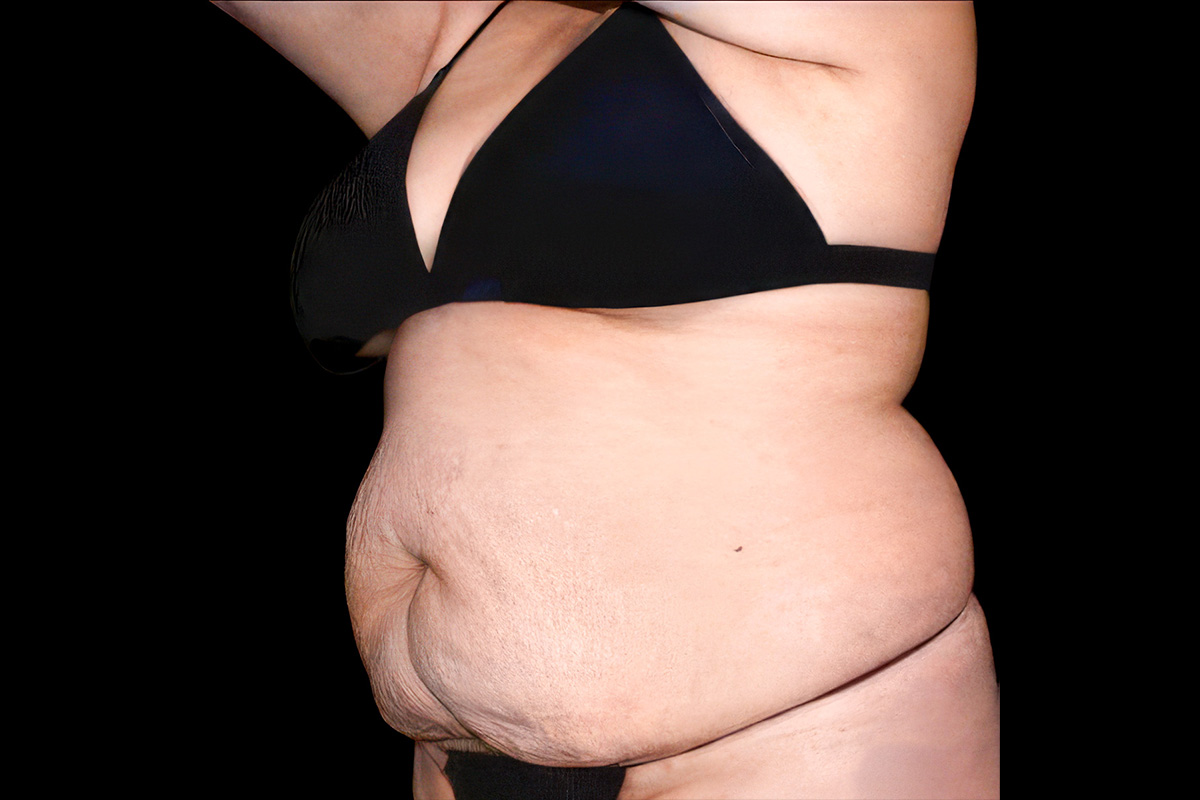
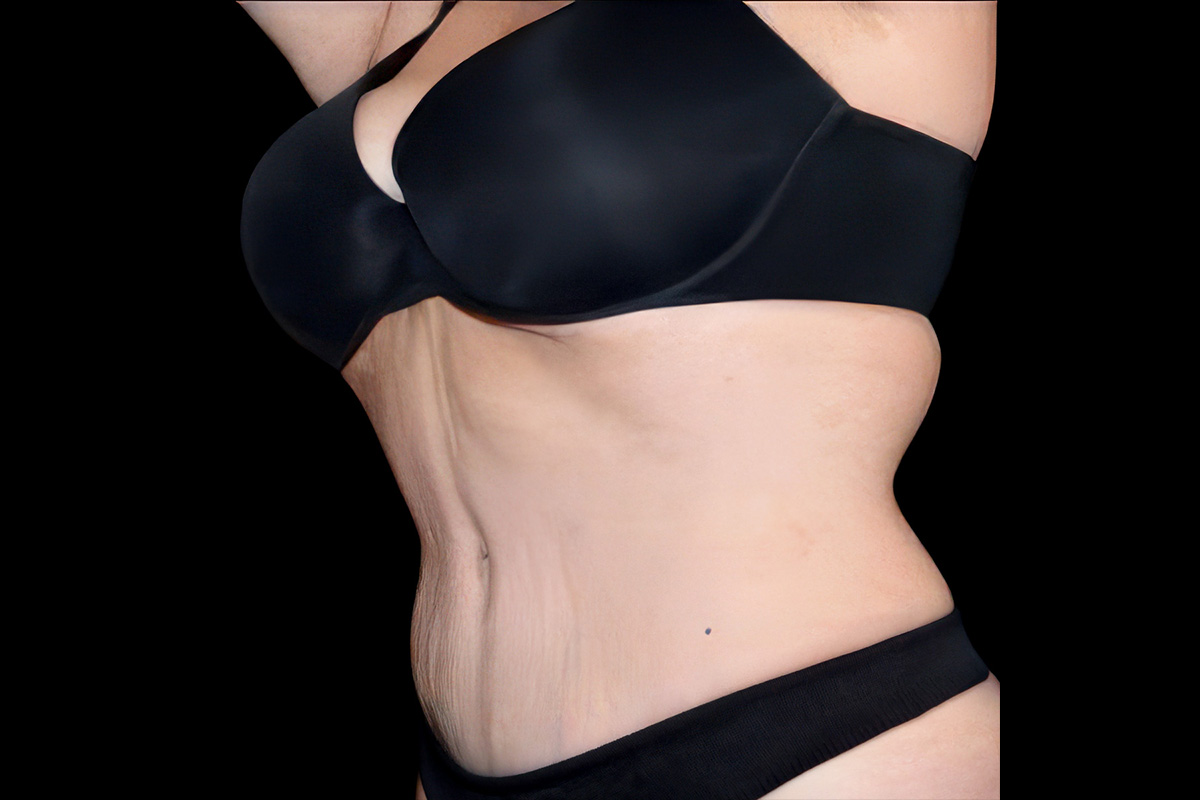
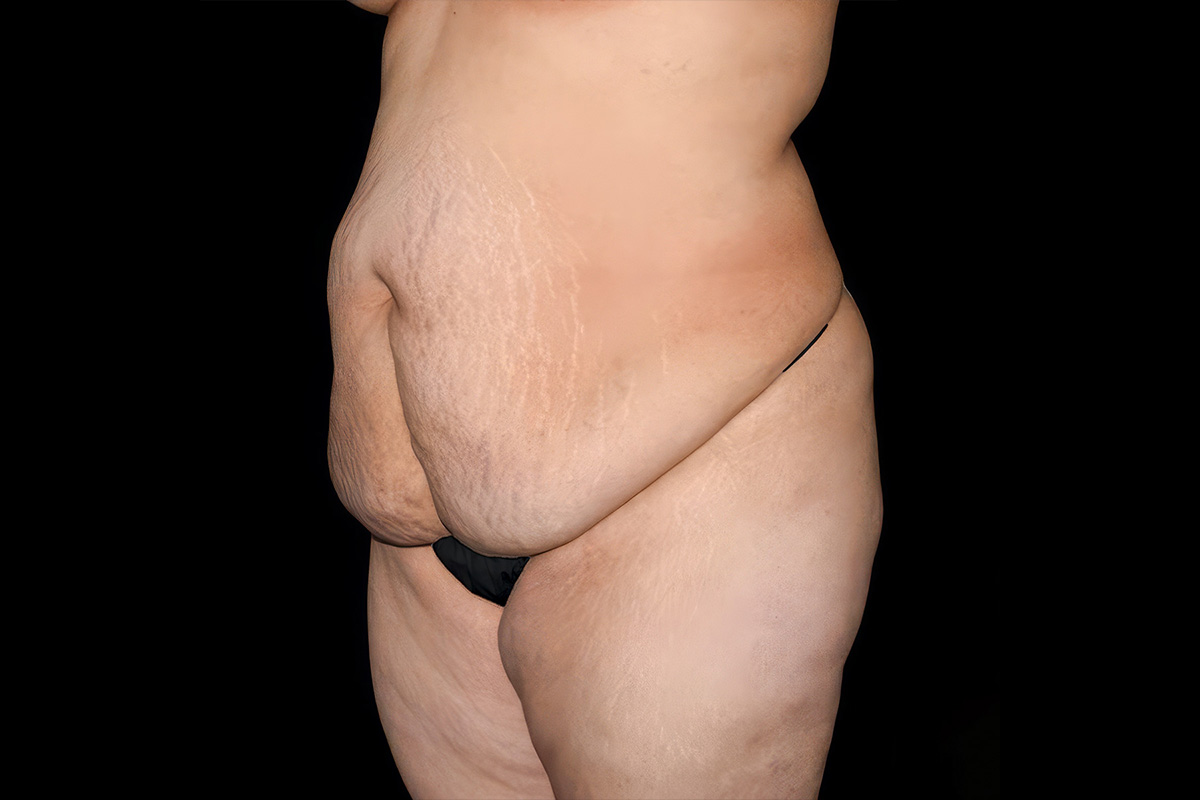
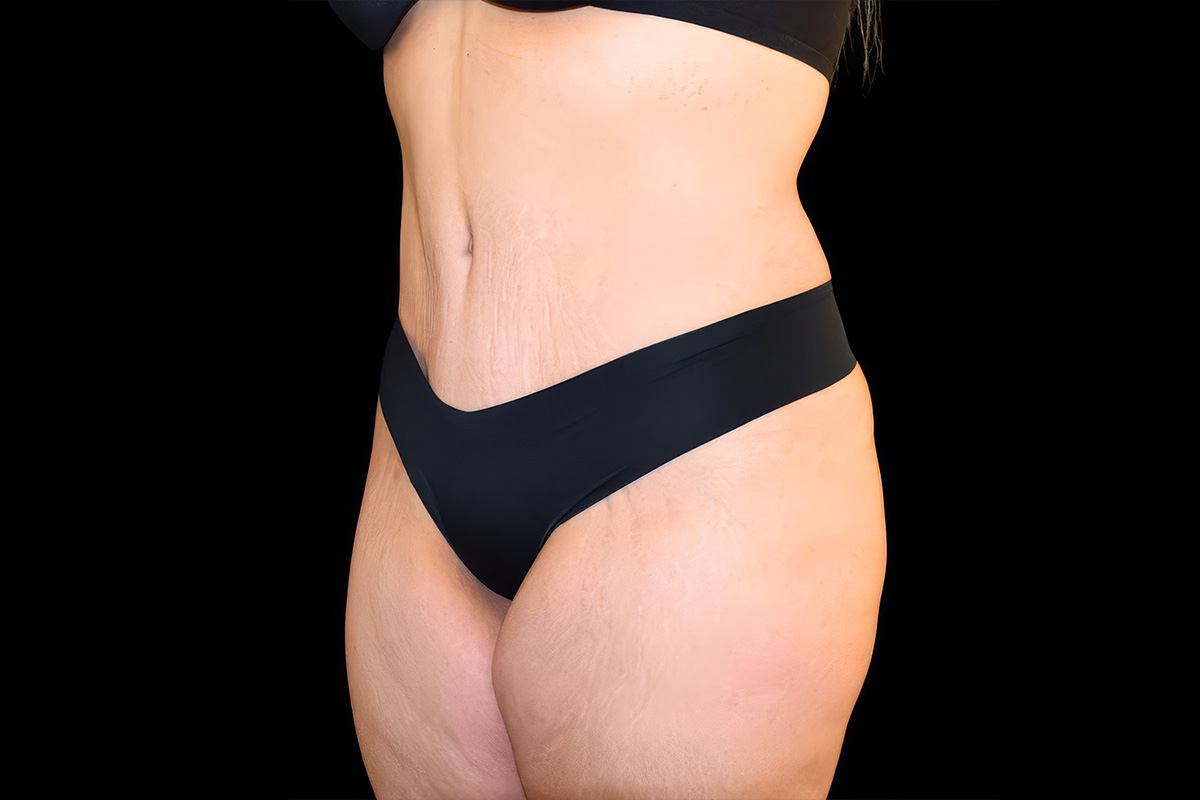
Before and after results photos
One of the best ways to see liposuction’s potential is to look at unaltered before and after photos.
Below are some examples of real results achieved at Roham Plastic Surgery:
How long do the results of Liposuction last?
Once your surgeon removes the stubborn fat during liposuction, it’s gone for good. But if you gain weight after liposuction, the remaining fat cells in your body can grow larger. We recommend maintaining a stable weight after surgery, through a clean diet and regular exercise.
Aging and lifestyle factors can also affect the longevity of your results. As we age, our skin loses elasticity and our body shape naturally changes. However, you can enjoy your liposuction results for many years to come by taking good care of yourself and embracing a healthy lifestyle.
FAQ
Will I have scars after Liposuction?
Liposuction scars are usually very small and discreet. They’ll fade over time to the point of being nearly invisible for most patients.
Can fat return after the procedure?
The fat cells removed will be gone for good. But the remaining fat cells in your body can still grow larger if you gain a lot of weight.
How soon can I return to work after Liposuction?
If you have a desk job, you will probably feel well enough to go back to work within a few days to a week after liposuction. More strenuous occupations may require up to three weeks of recovery time.
Choosing the best plastic surgeon for your Liposuction procedure
Choosing the right plastic surgeon is your most important decision when considering liposuction.
Here’s what you should look for:
Board certification
Trust a cosmetic surgeon certified by the American Board of Plastic Surgery or American Osteopathic Board of Surgery. This ensures they’ve completed extensive training and adhere to high standards of safety and ethics.
Experience with Liposuction
Look for a surgeon who performs liposuction regularly and has a proven track record of successful results. Ask how many liposuction procedures they perform every year.
Before and after photos
Review the surgeon’s before and after photos to get a sense of their aesthetic style and quality of work. Make sure the photos are of actual patients, not stock images.
Patient testimonials
Read reviews from past patients to learn about their experiences and get a better feel for what you can expect.
Rapport and comfort level
When you have your consultation, make sure you feel comfortable with the surgeon and their team. They should address your concerns and help you make the right decision.
At Roham Plastic Surgery, Dr. Ali Roham has extensive experience performing liposuction. He uses the latest techniques and technologies to achieve safe, natural-looking results tailored to each patient’s unique goals and needs.
Achieve your dream body with Liposuction at Roham Plastic Surgery
Liposuction can be an incredible way to contour the body, eliminate stubborn fat deposits, and achieve a more proportionate shape.
Ready to take the next step in your body transformation journey? Call (949) 269-6960 to schedule a consultation with Roham Plastic Surgery and learn how liposuction can help you achieve your dream body.
Sources
- How much does liposuction cost?, American Society of Plastic Surgeons
- Tumescent liposuction, UCSF Health
- Liposuction – Assisted laser/ultrasound-assisted, American Society of Plastic Surgeons
- What is laser lipolysis?, WebMD
- How much does liposuction cost?, GoodRx Health