



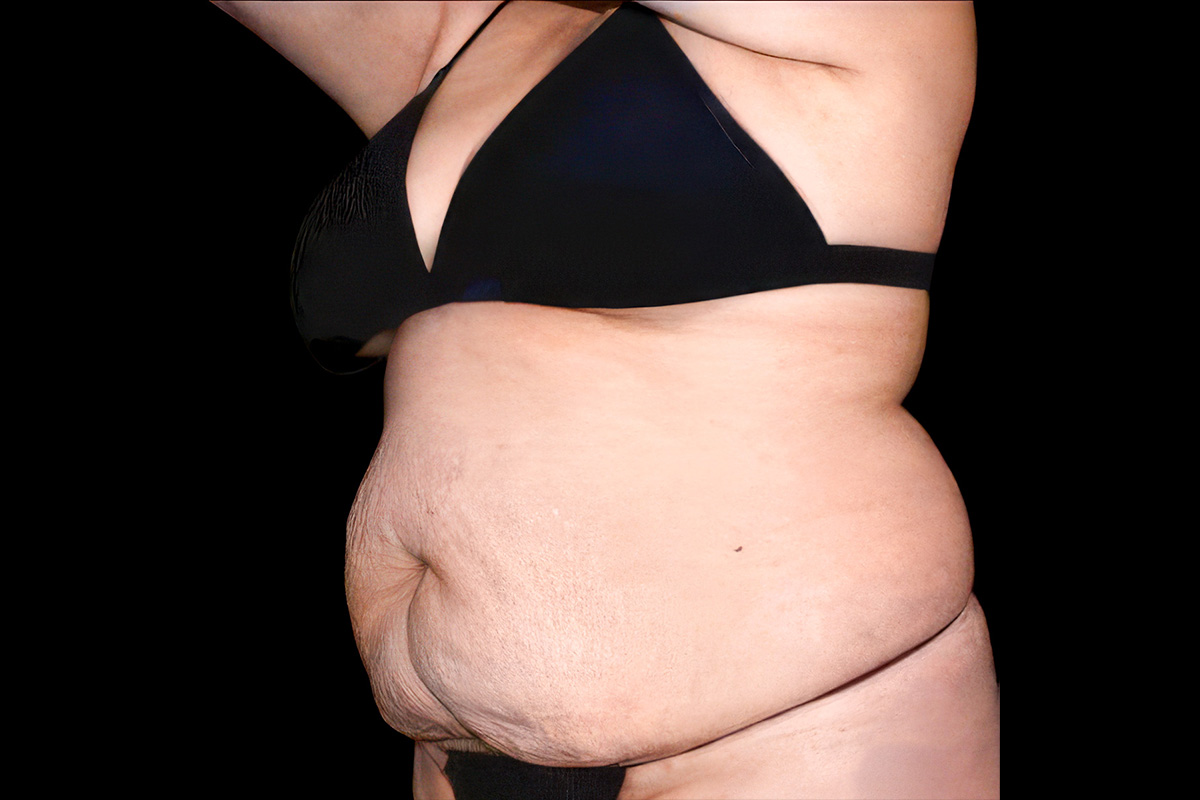
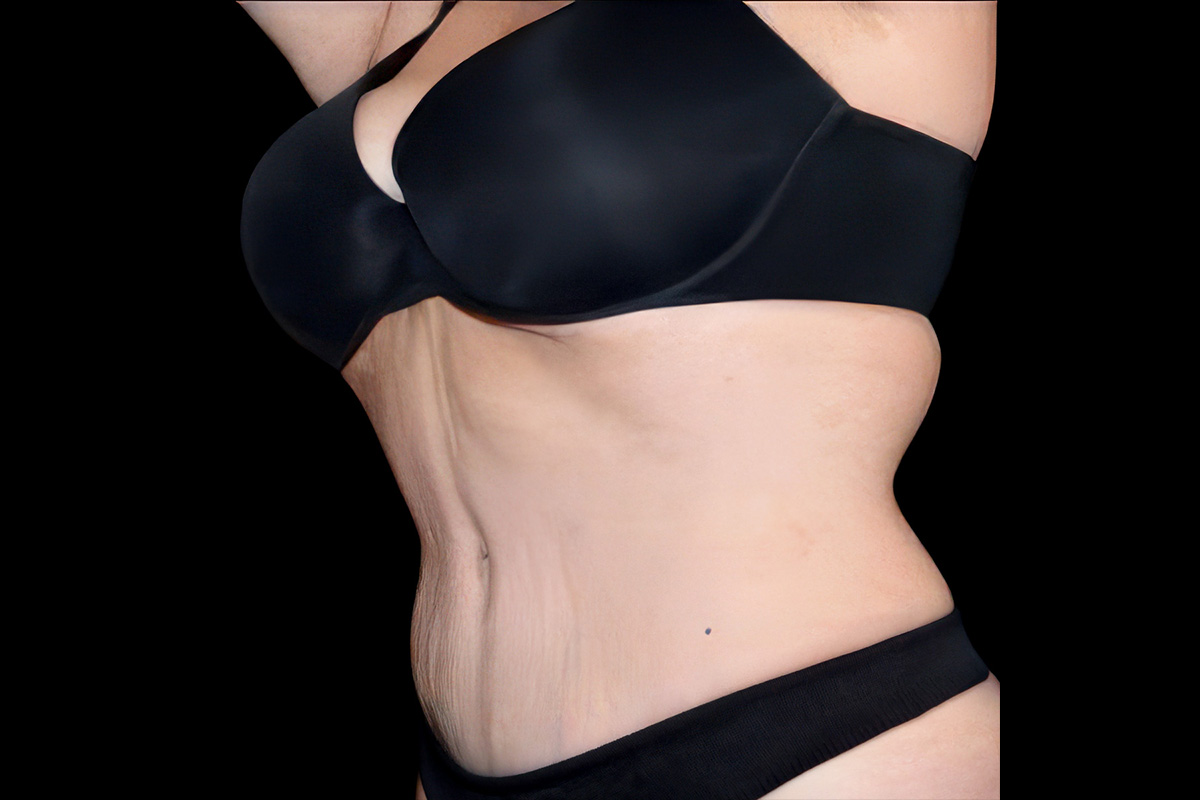
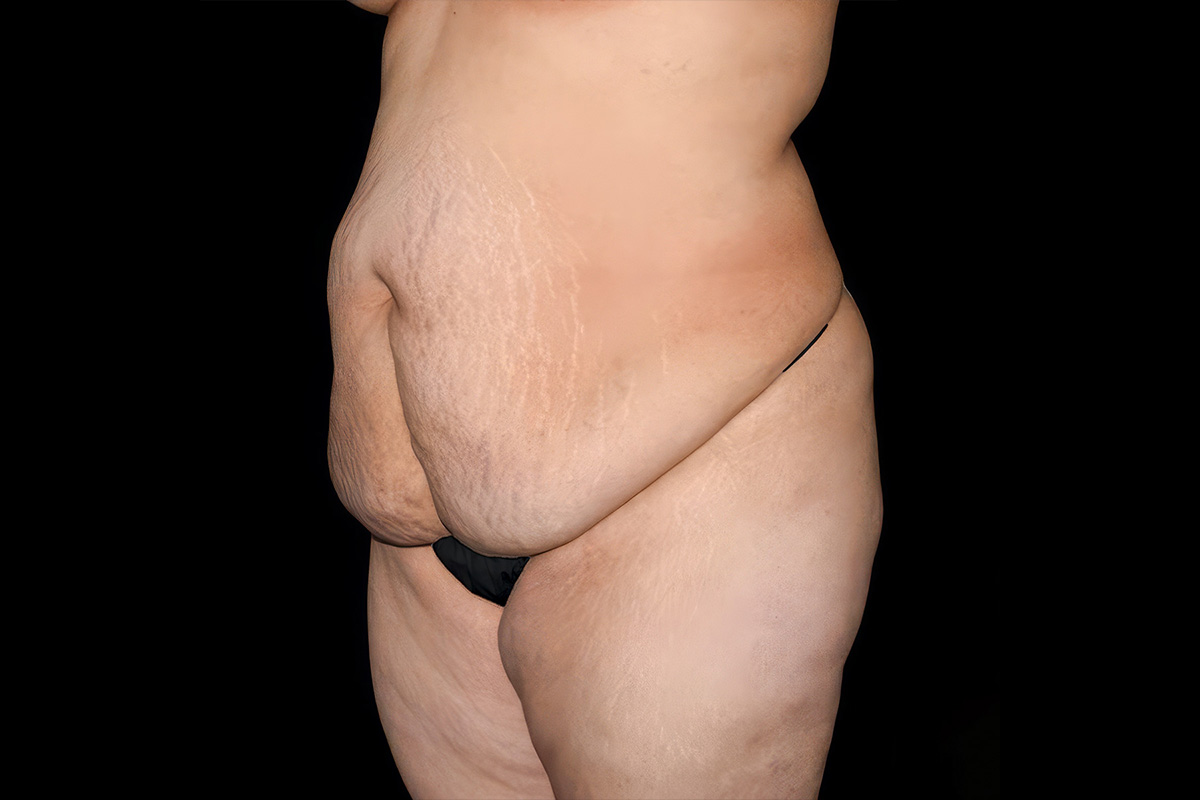
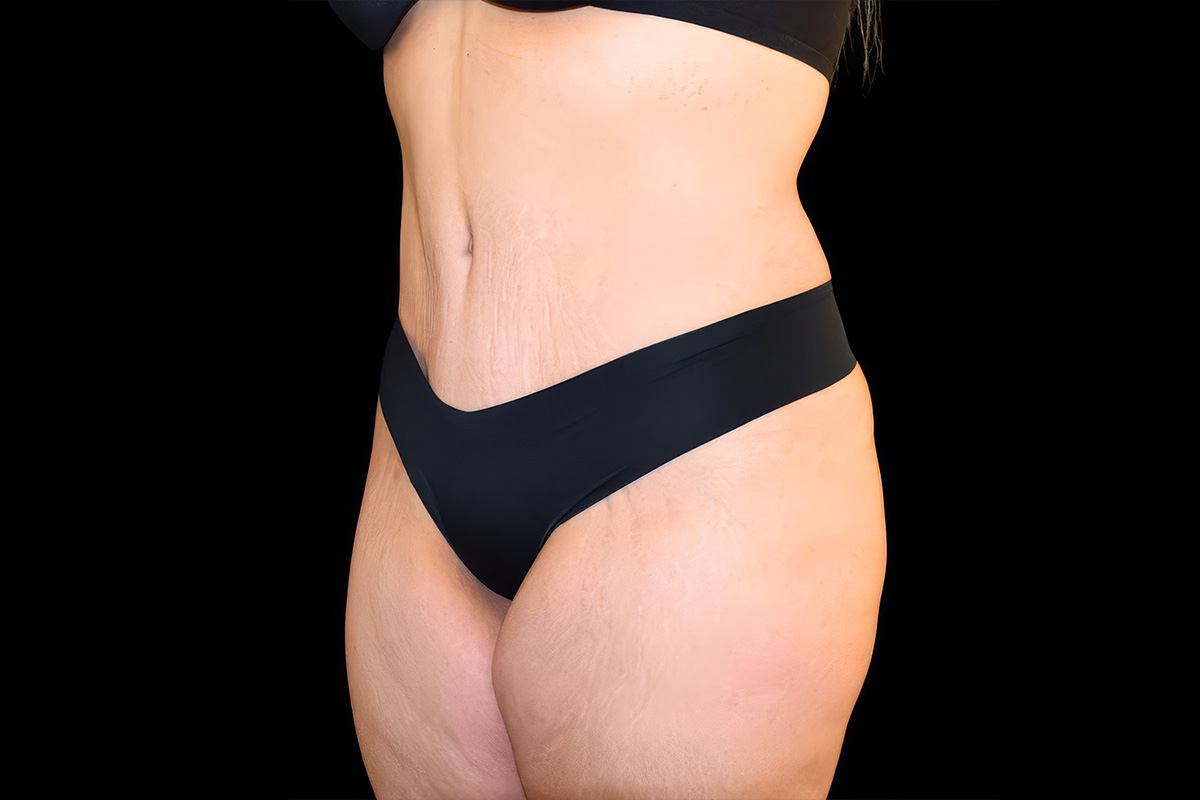

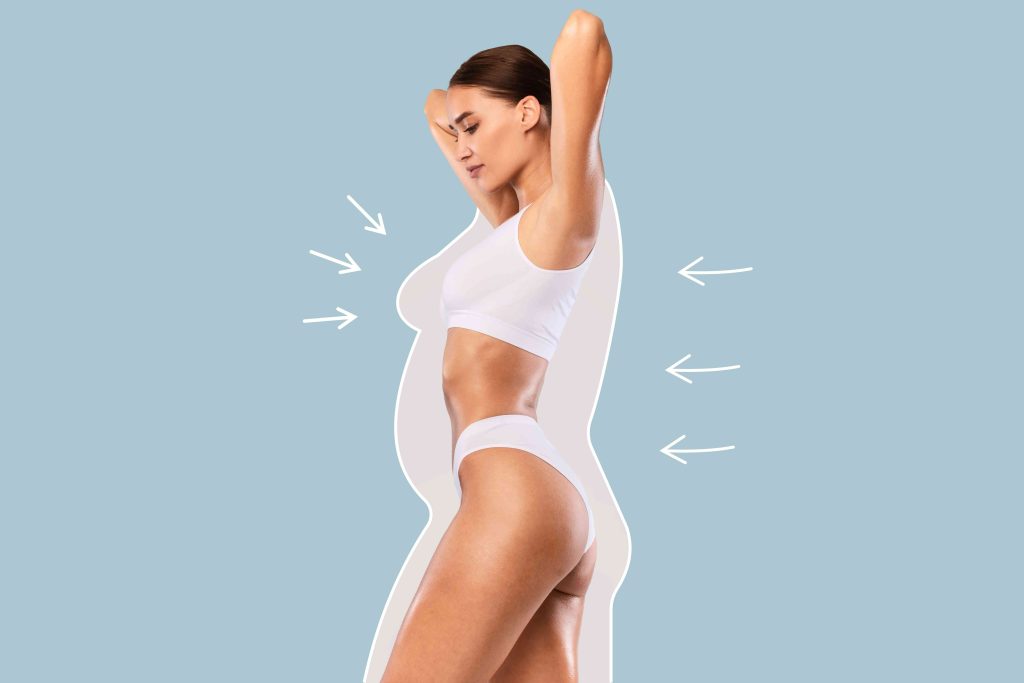
Millions of people have now lost significant weight using GLP-1 receptor agonists such as semaglutide (Ozempic, Wegovy) and tirzepatide (Mounjaro, Zepbound). For many, the scale has moved in ways that years of dieting and exercise could not accomplish. But significant weight loss, however it is achieved, often leaves a challenge that no medication addresses: excess skin. When fat volume decreases faster than the skin can contract, the result is loose, inelastic tissue that does not respond to exercise or time.
This guide is written specifically for that patient: someone who has done the real work of losing weight and is now trying to understand what surgical body contouring can offer, when the timing is right, and what to expect from the process. Dr. Roham’s Newport Beach practice is increasingly seeing post-GLP-1 patients from across Orange County as this population continues to grow.
Contents
- 1 How GLP-1 weight loss is different from other weight loss: and why it matters for surgery
- 2 When is the right time to have Body Contouring after GLP-1 weight loss?
- 3 Which body areas are most commonly affected: and which procedures address them
- 4 Can you combine multiple procedures in one session?
- 5 What does post-GLP-1 Body Contouring cost in California?
- 6 How to prepare for a Body Contouring consultation after GLP-1 weight loss
- 7 FAQ
- 7.1 How much weight do I need to lose before considering surgery?
- 7.2 Do I need to stop Ozempic before Body Contouring surgery?
- 7.3 Can Liposuction remove loose skin after GLP-1 weight loss?
- 7.4 Will my insurance cover skin removal surgery after significant weight loss?
- 7.5 Is it safe to have multiple procedures at once after GLP-1 weight loss?
- 7.6 How long does recovery take after a Tummy Tuck and Breast Lift combined?
- 7.7 What happens to my results if I regain weight after Body Contouring?
- 7.8 Can I continue taking Ozempic after Body Contouring surgery?
- 8 Explore Body Contouring options at Dr. Roham’s Newport Beach practice
- 9 Sources
How GLP-1 weight loss is different from other weight loss: and why it matters for surgery
Weight lost through GLP-1 medications can come quickly, sometimes 15 to 25 percent of body weight over a period of months. Skin laxity after rapid weight loss behaves differently than after slower lifestyle-driven weight loss, where the skin has more time to adapt. It also differs from post-bariatric surgery cases, which have a well-established body contouring literature developed over decades. GLP-1 patients are a newer and growing patient population, and the research specific to their surgical needs is still maturing.
How GLP-1 drugs cause skin laxity
As fat volume decreases, the skin that once surrounded it is left without the underlying support that gave it shape. Skin contains collagen and elastin fibers that allow some degree of contraction, but those fibers have limits. When weight loss is rapid or substantial, and especially in patients over 35 whose skin has already lost some elasticity naturally, the skin envelope cannot retract to match the new body composition. The result is loose, hanging tissue in areas where fat once provided volume.
The areas most commonly affected are the abdomen, flanks, lower back, upper arms, inner thighs, breasts, and occasionally the neck and face. The degree of laxity any individual experiences depends on the total amount of weight lost, the rate at which it was lost, the patient’s age, genetics, skin quality, and whether prior pregnancies or previous weight fluctuations have already stretched the tissue.
Can skin tighten on its own after GLP-1 weight loss?
For patients who lost a modest amount of weight, roughly 20 to 30 pounds, some degree of skin retraction may occur over 12 to 18 months with adequate hydration, protein intake, and consistent exercise. Mild laxity does not always require surgery. Non-surgical skin tightening options, including Renuvion/J-Plasma and radiofrequency-based devices, can produce meaningful improvement in mild to moderate cases. For patients who have lost 40 or more pounds, or who have significant overhanging skin, these approaches are unlikely to produce sufficient correction on their own. Surgical skin removal is the only reliable solution for pronounced skin excess.
When is the right time to have Body Contouring after GLP-1 weight loss?
Timing is one of the most important and most commonly asked questions in this patient population. The short answer is that earlier is not better. The right time is when your body is ready.
Wait until your weight is stable
The single most important prerequisite for any body contouring procedure after weight loss is a stable weight. Operating during active weight loss means the skin envelope is still changing. Removing skin or fat before the body has reached a stable point risks a result that no longer fits within months of surgery, often requiring revision. Most surgeons recommend maintaining your goal weight for a minimum of three to six months before scheduling a consultation, with many preferring six to twelve months of stability for patients who lost very large amounts. This is not a delay for its own sake. It is what makes results last.
Nutritional status and healing capacity
GLP-1 medications work by suppressing appetite, which means patients on these drugs often eat significantly less than before. While this drives weight loss, it also creates a real risk of protein and micronutrient deficiency. Adequate protein, vitamin D, vitamin B12, and overall nutritional status are critical for wound healing after surgery. Many surgeons who work with post-weight-loss patients will require pre-operative lab work, including albumin and pre-albumin levels, before clearing a patient for an elective procedure. Patients may need a period of nutritional optimization before they are surgical candidates, even if their weight is stable.
Are you still on the GLP-1 medication?
Whether to pause GLP-1 medication before surgery is an active and evolving area of guidance. Current recommendations from the American Society of Anesthesiologists suggest that GLP-1 medications may delay gastric emptying (gastroparesis), which increases aspiration risk under general anesthesia. Many anesthesiologists currently request that patients stop GLP-1 medications one to two weeks before surgery, though protocols vary by provider and are being actively updated as clinical experience with this patient population grows. Patients should discuss their specific medication status directly with both their surgeon and their anesthesiologist well in advance of any procedure. Do not assume a universal protocol applies.
Which body areas are most commonly affected: and which procedures address them
Post-GLP-1 skin laxity is not a single problem with a single solution. It is a body-wide issue that presents differently in each patient depending on where they carried their weight and how their skin responded to its loss. The table below provides a quick reference for the most common patterns.
| Body Area | Common Issue After GLP-1 Weight Loss | Surgical Solution |
| Abdomen | Loose, overhanging skin | Tummy tuck (abdominoplasty) |
| Flanks/back | Excess skin rolls | Liposuction with or without extended tummy tuck |
| Breasts | Deflation, drooping | Breast lift with or without augmentation |
| Upper arms | Loose “bat wing” skin | Arm lift (brachioplasty) |
| Inner thighs | Loose, hanging skin | Thigh lift |
| Entire torso | Circumferential skin excess | Lipo 360 with or without tummy tuck combination |
Abdominal skin: Tummy Tuck and Liposuction
The abdomen is the most common area of concern for post-GLP-1 patients. A tummy tuck (abdominoplasty) removes excess skin below and sometimes above the navel and tightens the abdominal wall, including repairing separated abdominal muscles if diastasis recti is present. A full tummy tuck addresses both above and below the navel with muscle tightening, while a mini tummy tuck is limited to the area below the navel and is appropriate for more limited skin excess. Liposuction is frequently combined with a tummy tuck to address residual fat deposits in the flanks or lower abdomen for a more comprehensive result.
Breast changes after significant weight loss
Breasts are composed substantially of fat, which means GLP-1-driven weight loss often reduces breast volume noticeably. The result is typically a combination of deflation and increased ptosis (drooping) as the skin envelope loses its internal support. Depending on the degree of volume loss and the severity of drooping, patients may need a breast lift alone, augmentation alone, or a breast lift with augmentation that addresses both position and volume simultaneously. A physical evaluation is required to determine which approach is appropriate.
Arms and thighs: Arm Lift and Thigh Lift
Loose skin on the upper arms and inner thighs is common after significant weight loss and is among the most resistant to non-surgical improvement. An arm lift (brachioplasty) removes excess skin from the inner upper arm. A thigh lift addresses hanging skin on the inner thigh. Both procedures leave linear scars, but those scars are positioned to be discreet under normal clothing. For patients whose primary concern is the skin excess rather than the visibility of scars, the functional and aesthetic improvement typically outweighs the scar tradeoff.
Comprehensive Body Contouring: Lipo 360 and combination procedures
For patients with multiple areas of concern, a staged or combined approach is often the most efficient path. A liposuction 360 treatment addresses circumferential fat and skin of the trunk and can be combined with a tummy tuck for patients with both significant fat and skin excess. Patients dealing with multiple areas simultaneously, such as abdomen, breasts, and arms, may also consider a broader combination similar to a mommy makeover framework, addressing several concerns in one surgical event. Staging some procedures three to six months apart may be recommended when total operating time or complexity makes a single session inadvisable.
Non-surgical options: Renuvion/J-Plasma skin tightening
For patients with mild to moderate skin laxity who are not ready for or do not want surgical skin removal, Renuvion/J-Plasma is a minimally invasive option worth discussing. The technology uses helium plasma combined with radiofrequency energy to cause immediate subdermal skin contraction without the need for skin excision. It is most effective on mild to moderate laxity and is frequently performed alongside liposuction to address both fat and skin in the same session. It is not a substitute for a tummy tuck or arm lift in patients with significant hanging skin. Realistic expectations about what non-surgical tightening can achieve are essential going into any consultation for this option.
Can you combine multiple procedures in one session?
Combining procedures is one of the most common questions among patients with multiple areas of concern, and the answer is: sometimes, depending on your health status and the complexity of what is being addressed. Combining procedures in a single surgical session reduces total recovery time and overall anesthesia exposure compared to staging each procedure separately. That efficiency has real value for patients managing busy lives.
The practical limits are total operating time and blood loss. Most surgeons set a ceiling of five to six hours of operating time for combined procedures in healthy patients. Beyond that threshold, complication risk increases. For post-GLP-1 patients who may have nutritional considerations or other health factors, the surgeon and anesthesiologist will evaluate candidacy for combination surgery carefully. Staging complex cases three to six months apart is a conservative approach that prioritizes safety without sacrificing the long-term result.
What does post-GLP-1 Body Contouring cost in California?
Body contouring cost after GLP-1 weight loss varies widely depending on which procedures are included, the number of areas treated, total operating and anesthesia time, the surgical facility, and the surgeon’s level of experience. Individual procedures in California generally range as follows for context: tummy tuck, $9,000 to $15,000; arm lift, $6,000 to $10,000; breast lift, $8,000 to $14,000. Multi-procedure combinations will reflect the cumulative scope of work.
These figures are general market ranges provided for budgeting context only and do not reflect Dr. Roham’s pricing. Your specific quote is determined at consultation.
For patients planning multiple procedures, the cost structure can be compared to multi-procedure body contouring frameworks such as those discussed in our mommy makeover costs guide. Financing options are available through Roham Plastic Surgery for patients planning their investment over time.
How to prepare for a Body Contouring consultation after GLP-1 weight loss
Coming to a consultation prepared makes the conversation more productive and helps your surgeon give you a more accurate assessment. Bring documentation of your weight history, including your highest weight, current weight, and how long you have maintained your current weight. Be prepared to discuss your GLP-1 medication status and whether you plan to continue it, taper, or stop. Know what areas concern you most and in what order of priority, in case a staged approach is recommended.
Ask specifically about the surgeon’s experience with post-weight-loss patients and whether they have treated patients who lost weight on GLP-1 medications. Ask about staging recommendations for your specific situation, what labs may be required before surgery is confirmed, and what the timeline looks like from consultation to procedure given your current health and nutritional status.
FAQ
How much weight do I need to lose before considering surgery?
There is no fixed number. The most important factor is that your weight is stable, not that it has reached a specific target. Most surgeons want to see three to six months of maintained weight before surgical consultation, and prefer six to twelve months for patients who lost very large amounts.
Do I need to stop Ozempic before Body Contouring surgery?
Current guidance from anesthesiology societies suggests stopping GLP-1 medications one to two weeks before surgery due to gastroparesis and aspiration concerns, but this guidance is actively evolving. Discuss your specific medication and the most current protocol with your surgeon and anesthesiologist during consultation.
Can Liposuction remove loose skin after GLP-1 weight loss?
Liposuction removes fat, not skin. It can improve contour in areas with excess fat, and when combined with Renuvion/J-Plasma it can produce some skin tightening effect. For patients with significant loose or overhanging skin, a skin excision procedure such as a tummy tuck or arm lift is typically required.
Will my insurance cover skin removal surgery after significant weight loss?
Cosmetic skin removal is generally not covered by insurance. In some cases, if excess abdominal skin causes documented functional problems such as rashes or hygiene issues, partial coverage for a panniculectomy (removal of the skin panel only, not a full tummy tuck) may be possible. Verify directly with your insurer and discuss documentation requirements with your surgeon.
Is it safe to have multiple procedures at once after GLP-1 weight loss?
For patients in good health with stable weight and adequate nutritional status, combining procedures in a single session is often appropriate. For patients with nutritional deficiencies or other health considerations, staging procedures may be the safer approach. Your surgeon and anesthesiologist will make this determination based on your individual health profile.
How long does recovery take after a Tummy Tuck and Breast Lift combined?
Most patients return to light activity within two to three weeks and are largely recovered within six to eight weeks. Full activity clearance typically takes ten to twelve weeks for combined procedures. Final results develop over three to six months as swelling resolves.
What happens to my results if I regain weight after Body Contouring?
Significant weight regain can alter the results of body contouring procedures. Fat can return to treated and untreated areas, and skin may stretch again. Maintaining a stable weight after surgery is the most important factor in preserving long-term outcomes.
Can I continue taking Ozempic after Body Contouring surgery?
Most patients can resume GLP-1 medications after full recovery, typically around six weeks post-surgery. The decision should be made in coordination with your prescribing physician and your surgeon, taking your overall health and nutritional status into account.
Explore Body Contouring options at Dr. Roham’s Newport Beach practice
Losing significant weight with a GLP-1 medication is a genuine achievement, and it takes real commitment. Body contouring after that weight loss is not about undoing something. It is about completing what the medication started. Dr. Ali Roham is a board-certified surgeon with specialized training in plastic surgery, serving patients across Orange County and Newport Beach who are navigating this next chapter. He evaluates each patient’s anatomy, nutritional readiness, and surgical priorities individually and builds a plan designed for long-term results.
To schedule a consultation, contact the office online or call (949) 269-6960. You can also browse Dr. Roham’s before and after gallery for examples of body contouring results across a range of procedures and body types.
Sources
- American Society of Plastic Surgeons, GLP-1 body contouring guidance and position statements: plasticsurgery.org
- American Society of Anesthesiologists, Perioperative management guidance for patients on GLP-1 medications: asahq.org
- FDA, Approved indications and safety data for semaglutide and tirzepatide: fda.gov
- NIH/PubMed, Clinical studies on skin laxity after rapid weight loss and GLP-1 effects on body composition: pubmed.ncbi.nlm.nih.gov
- Aesthetic Surgery Journal, Post-bariatric and post-weight-loss body contouring outcomes: aestheticsurgeryjournal.com