



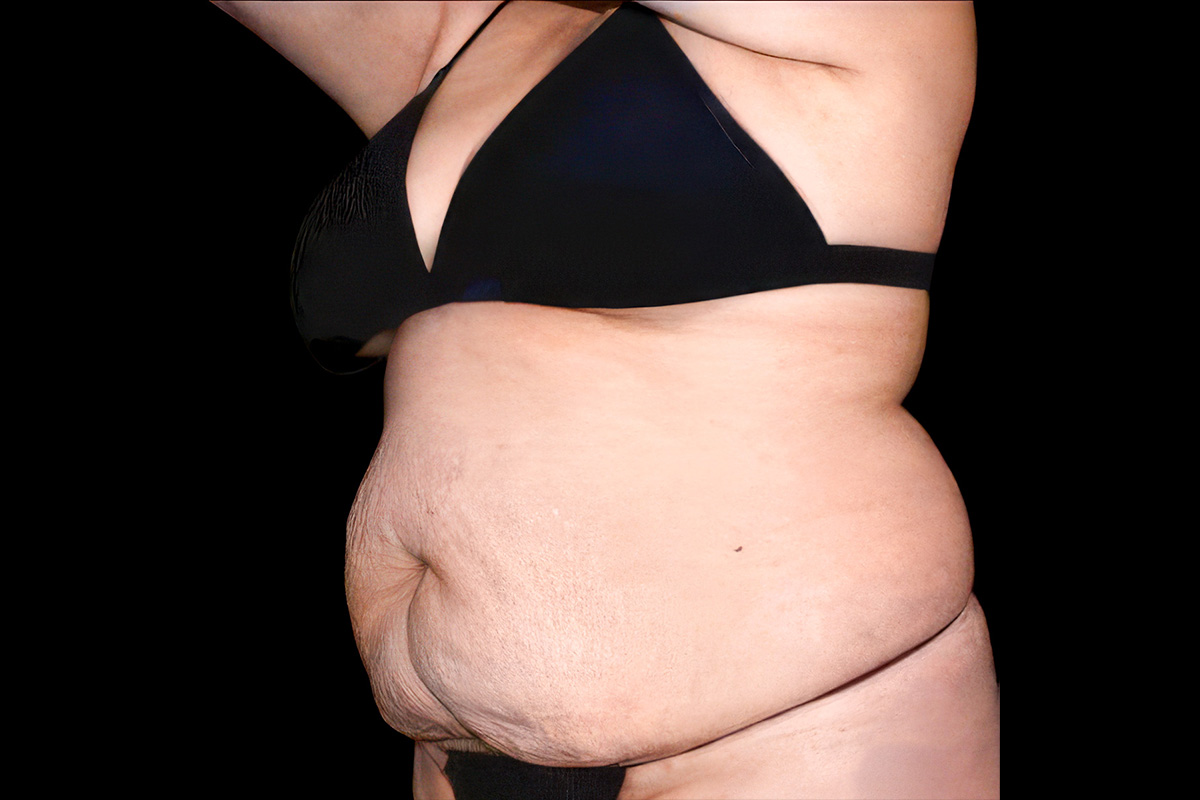
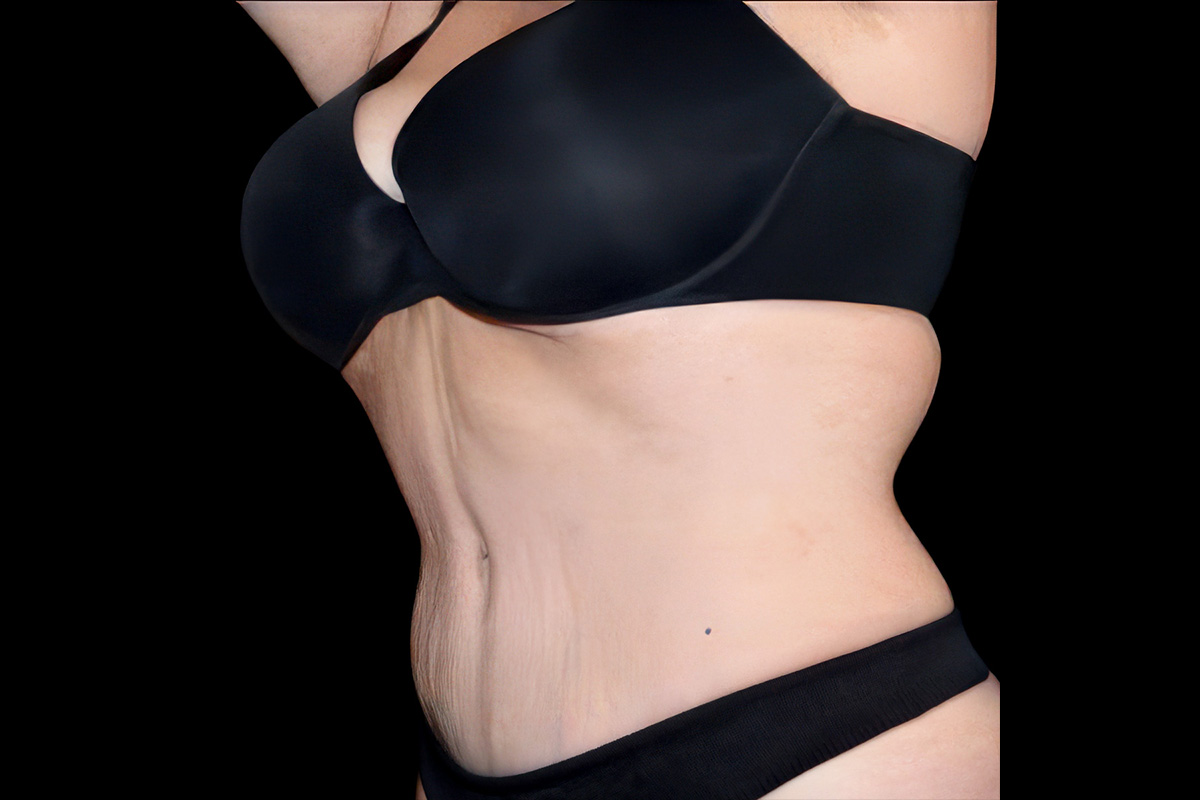


Recovery is one of the most searched topics among patients considering breast augmentation, and for good reason. The procedure itself is well understood, but the healing process afterward is often described in vague terms online: “a few weeks,” “take it easy,” “results vary.” For patients trying to plan around work, family, and daily life, that’s not enough. This guide offers a realistic, week-by-week account of what actually happens as the body heals after breast augmentation, what milestones to expect, and how to support your own recovery at each stage. Note that patients who undergo a combined procedure such as a breast lift with augmentation should expect a somewhat extended recovery given the additional tissue work involved. Individual variation exists throughout, and the timelines below are general guidance, not guarantees.
Breast augmentation recovery at a glance:
- Days 1 to 3: Peak soreness, tightness, restricted movement. Rest and pain management are the priority.
- Week 1: First follow-up appointment, early mobility improves, showering typically approved by day 5 to 7.
- Week 2: Swelling begins to improve, light desk work often resumable, driving possible once off narcotics.
- Weeks 3 to 4: Light lower-body exercise cleared for most patients, greater range of motion returns, implants begin to settle.
- Months 2 to 3: Drop-and-fluff process advances, upper-body exercise typically cleared, final results coming into view.
- Month 6 and beyond: Swelling fully resolved, scars maturing, implants in final position. Long-term monitoring begins.
Contents
- 1 Before recovery begins: preparing for a smooth healing process
- 2 Day of surgery and the first 24 hours
- 3 Week 1: rest, restrictions, and the hardest days
- 4 Week 2: returning to light activity
- 5 Weeks 3 to 4: gaining momentum
- 6 Months 2 to 3: settling in
- 7 Month 6 and beyond: final results and long-term care
- 8 Recovery tips that make a real difference
- 9 Warning signs to watch for during recovery
- 10 FAQ
- 10.1 How long does Breast Augmentation recovery take?
- 10.2 When can I sleep on my side after Breast Augmentation?
- 10.3 When can I exercise after Breast Augmentation?
- 10.4 How much pain is normal after Breast Augmentation?
- 10.5 Why do my implants look so high right after surgery?
- 10.6 When will my Breast Augmentation results look final?
- 10.7 Can I drive after Breast Augmentation?
- 10.8 When can I return to work after Breast Augmentation?
- 10.9 How long should I wear my surgical bra?
- 10.10 Is it normal to feel numb after Breast Augmentation?
- 11 Ready to take the next step? schedule your consultation in Newport Beach
- 12 Sources
Before recovery begins: preparing for a smooth healing process
How you prepare in the one to two weeks before surgery has a real impact on how smoothly the first days of recovery go. Patients who plan ahead eliminate a significant source of stress during the most physically demanding period.
Setting up your recovery space at home
A few practical adjustments make a meaningful difference. Set up a recliner or use pillows to prop yourself at a 30 to 45 degree incline, since sleeping flat increases swelling and discomfort in the early days. Stock your recovery area with loose, front-opening clothing so you don’t need to raise your arms to dress. Place everything you’ll need, including medications, water, phone charger, and entertainment, at waist level to avoid overhead reaching. Prepare a small recovery kit with arnica gel, stool softener (narcotic pain medications cause constipation), lip balm, and easy snacks. If you have children or pets, arrange care coverage for at least the first three to five days. The more you anticipate your limitations in advance, the less you’ll need from others once you’re home.
Pre-surgical preparations your surgeon will discuss
Your surgical team will provide detailed pre-operative instructions specific to your procedure. General preparation includes stopping blood-thinning medications and supplements such as aspirin, ibuprofen, fish oil, and vitamin E at least one to two weeks before surgery. Smoking should be stopped for a minimum of four to six weeks before and after the procedure, as it significantly impairs wound healing and increases complication risk. Stay well hydrated, eat nutritious anti-inflammatory foods in the days leading up to surgery, and arrange a trusted adult to drive you home and stay with you for the first 24 to 48 hours.
Day of surgery and the first 24 hours
What happens on surgery day
You’ll arrive at the surgical center for a pre-operative check-in, where the team will complete paperwork, place an IV line, and review your health status. You’ll meet with the anesthesia provider and your surgeon, who will mark the surgical sites before you enter the operating room. Breast augmentation typically takes one to two hours. Afterward, you’ll spend time in the recovery room being monitored before discharge. A responsible adult must be present to drive you home. Most patients are discharged the same day.
The first night: what to expect
The first night is typically the most uncomfortable. Common experiences include grogginess from anesthesia, a feeling of tightness or pressure across the chest, limited arm mobility, and moderate soreness. Nausea is possible after general anesthesia and usually resolves within a few hours. Pain is typically manageable with prescribed medications taken on schedule. Sleep at an incline of 30 to 45 degrees using pillows or a recliner to minimize swelling. Eat light foods, stay hydrated, and avoid alcohol entirely while on prescription pain medication. Do not shower yet. Follow your surgeon’s instructions about your surgical bra or compression garment precisely.
Week 1: rest, restrictions, and the hardest days
Week 1 is the most physically demanding part of recovery. Setting realistic expectations for these days helps patients get through them with less anxiety.
Days 1 to 3: soreness, swelling, and taking it easy
Days one through three represent peak soreness for most patients. The chest feels tight, movement is limited, and reaching above shoulder height is not possible or recommended. Take medications exactly as prescribed, move slowly, and accept help with daily tasks including cooking, dressing, and personal care. Light walking around the home is encouraged starting on day one or two to support circulation and reduce the risk of blood clots. Do not try to push through discomfort or resume normal activity ahead of schedule. Swelling and bruising are expected and do not indicate a problem. Your compression garment or surgical bra should be worn continuously unless your surgeon instructs otherwise.
Days 4 to 7: first follow-up and early milestones
Most patients have their first post-operative appointment within the first week. Your surgeon will evaluate your incisions, check for any early complications, and assess overall healing progress. By day five or six, many patients feel noticeably more mobile and are managing with over-the-counter pain relief rather than prescription medication. Showering is typically approved by the surgeon around this time, though baths, pools, and submerging incisions are not permitted. By the end of week one, patients with sedentary desk jobs may begin thinking about returning to work in week two, though individual readiness varies.
Week 2: returning to light activity
Swelling begins to improve visibly in week two for most patients, and many feel considerably more like themselves. That said, restrictions remain in place and should be respected.
What most patients can and cannot do in week 2
By week two, most patients can return to light desk work or work-from-home responsibilities if their surgeon approves. Driving is typically permissible once you are completely off narcotic pain medications and have sufficient arm mobility to react quickly, often around days five to seven. Short walks are encouraged and beneficial. What remains off-limits: lifting anything heavier than five to ten pounds, raising arms overhead, sleeping on your side or stomach, and any form of exercise beyond walking.
What “high riding” implants look like and why it’s normal
One of the most common concerns patients raise in weeks one and two is that their implants look and feel too high on the chest. This is completely normal for submuscular placement (implants placed beneath the pectoralis muscle). The muscle is stretched during surgery and responds by tightening, which initially holds the implant in a higher position than its final resting place. As the muscle gradually relaxes and the surrounding tissue accommodates the implant, it descends into a softer, more natural position. This process is commonly called drop and fluff. It takes weeks to months and happens at different rates for different patients. The shape and position you see at two weeks is not your final result.
Weeks 3 to 4: gaining momentum
Most patients feel significantly better by weeks three and four, which is also when they’re most likely to overestimate their recovery and push too hard. This section of the timeline requires discipline.
Physical milestones in weeks 3 to 4
Many patients receive clearance for light lower-body exercise, including walking at a brisker pace and light stationary cycling, around weeks three to four. Range of motion in the arms continues to improve. Most patients with physically undemanding jobs have returned to work by this point. Chest exercises, heavy lifting, and upper-body training remain restricted. Follow your surgeon’s specific guidance on activity clearance rather than relying on general timelines.
Emotional and psychological recovery
“Implant blues” is a real and well-documented phenomenon. Some patients in the first few weeks experience emotional dips, second-guessing their decision, or a sense of disconnection from their new body. This is more common than patients expect and is influenced by anesthesia, pain medications, limited mobility, and the fact that results are not yet visible through swelling. It typically resolves as swelling decreases and results become clearer. If emotional distress feels severe or persistent, communicate with your surgeon’s team. You are not the first patient to feel this way, and support is available.
Months 2 to 3: settling in
The drop-and-fluff process advances most noticeably during months two and three. For many patients, this is when the results begin to feel real.
What patients notice in months 2 to 3
Swelling is largely resolved by month two in most patients. Implants sit lower on the chest, the upper pole looks softer, and bra fit begins to stabilize. Numbness in the breast tissue and nipple area, which is common in the early weeks, gradually resolves as nerve function returns, a process that can take three to six months. Incision scars begin to fade from pink or red toward a flatter, lighter tone. Most patients are cleared for upper-body exercise and full activity by six to eight weeks, though this varies by surgeon and individual healing.
Exercise and activity clearance
General clearance timelines as a reference point: light walking is encouraged from week one to two; lower-body exercise is typically cleared at three to four weeks; light upper-body activity is usually not cleared until six to eight weeks; and full unrestricted exercise, including chest training, is most commonly cleared at eight to twelve weeks. These are general benchmarks. Your surgeon’s clearance takes precedence over any general guideline.
Month 6 and beyond: final results and long-term care
What “final results” actually look like
By month six, swelling is fully resolved and implants are in their settled position. Scars have faded significantly, though scar maturation continues for twelve to eighteen months. This is typically when surgeons photograph final results for their patient galleries. The shape, softness, and position you see at six months is the baseline for long-term outcomes.
Long-term implant care and monitoring
Long-term care is not complicated, but it requires consistency. The FDA recommends MRI screening for silicone implants starting at five to six years post-surgery and every two to three years thereafter to screen for silent rupture. Always inform your mammogram technician that you have implants before imaging, as special views are required and displacement technique is used to ensure complete screening. Perform regular breast self-exams and report any changes in shape, firmness, or sensation to your surgeon. For a detailed breakdown of what to expect over the lifespan of your implants, see our guide on how long breast implants last. For warning signs that may indicate a problem, see the most common signs you may need breast implant replacement.
Recovery tips that make a real difference
The following practices consistently support smoother recoveries based on post-operative care guidance and patient outcomes research.
Sleep on your back at an incline for the first four to six weeks to minimize swelling and protect implant position. Wear your surgical bra or compression garment exactly as instructed and for the full recommended duration. Arnica supplements or topical arnica gel may help reduce bruising; discuss with your surgeon before use. Stay well hydrated and eat anti-inflammatory foods throughout recovery. Avoid alcohol entirely for the first one to two weeks, as it increases swelling and interacts with medications. Protect healing incisions from direct sun exposure for at least twelve months to support optimal scar healing. Attend every scheduled follow-up appointment even if you feel completely fine, and resist comparing your timeline to others online. Individual healing varies considerably.
Warning signs to watch for during recovery
Most breast augmentation recoveries proceed without serious complications. The following symptoms, however, should prompt you to contact your surgeon promptly rather than waiting for a scheduled appointment.
Call your surgeon if you experience any of the following: fever above 101 degrees Fahrenheit; increasing redness, warmth, or swelling localized to one breast rather than both; pain that is escalating rather than gradually improving; discharge from an incision site; sudden changes in breast shape or a dramatic increase in asymmetry; or rapid enlargement of one breast accompanied by significant new bruising, which may indicate a hematoma.
Call 911 or go to the nearest emergency room immediately if you experience difficulty breathing, chest pain, or any cardiovascular symptoms. These are rare but serious and require emergency evaluation.
For a broader reference on complications and what they mean, our breast implant complications guide covers common issues in detail.
FAQ
How long does Breast Augmentation recovery take?
Most patients return to desk work within one to two weeks and feel largely recovered within four to six weeks. Full results, including complete implant settling, take three to six months.
When can I sleep on my side after Breast Augmentation?
Most surgeons clear patients to sleep on their side at four to six weeks, once implants have begun to settle into position. Confirm this specifically with your surgeon.
When can I exercise after Breast Augmentation?
Light walking is encouraged from week one. Lower-body exercise is typically cleared at three to four weeks. Upper-body and chest exercises are usually not cleared until six to eight weeks. Full unrestricted exercise typically follows at eight to twelve weeks, though this varies.
How much pain is normal after Breast Augmentation?
Moderate soreness and tightness are expected, particularly in days one through five. Pain should be manageable with prescribed medications. Severe pain affecting only one breast, or pain that is increasing rather than improving, is a warning sign and warrants a call to your surgeon.
Why do my implants look so high right after surgery?
For submuscular placement, the pectoralis muscle holds the implant in a higher position immediately after surgery. As the muscle relaxes and surrounding tissue adapts, implants gradually descend and soften in a process called drop and fluff. This is normal and expected. Final position develops over three to six months.
When will my Breast Augmentation results look final?
Results are largely visible by three months, with full implant settling and significant scar maturation occurring by six to twelve months.
Can I drive after Breast Augmentation?
Most surgeons clear patients to drive once they are completely off narcotic pain medications and have sufficient arm mobility. This is typically around days five to seven. Do not drive while taking prescription pain medication.
When can I return to work after Breast Augmentation?
Desk work and work-from-home roles are often resumable at one to two weeks. Jobs requiring physical labor, lifting, or significant upper body use may require four to six weeks off. Confirm with your surgeon based on your specific job demands.
How long should I wear my surgical bra?
Typically four to six weeks continuously, followed by a transition to supportive non-underwire bras for an additional period. Follow your surgeon’s specific instructions, as protocols vary.
Is it normal to feel numb after Breast Augmentation?
Yes. Temporary numbness or altered sensation in the breast tissue and nipple is common in the weeks following surgery. Sensation gradually returns over three to six months as nerves heal, though complete resolution can take up to a year for some patients.
Ready to take the next step? schedule your consultation in Newport Beach
Recovery planning is part of the surgical consultation at Roham Plastic Surgery. When you meet with Dr. Ali Roham, you’ll discuss not only the procedure itself but what your individual recovery is likely to look like based on your anatomy, placement, and implant selection. His team provides personalized post-operative protocols and is available to answer questions at every stage of healing.
To review real patient results before booking, visit the breast augmentation before-and-after gallery. To schedule your consultation, contact the office online or call (949) 269-6960.
This guide reflects general recovery patterns. Your individual experience may differ. Always follow your surgeon’s specific post-operative instructions.
Sources
- American Society of Plastic Surgeons, Breast Augmentation patient safety and recovery guidelines: plasticsurgery.org
- FDA, Breast Implant safety communications and MRI monitoring recommendations: fda.gov
- Mayo Clinic, Wound care and post-surgical recovery guidance: mayoclinic.org
- Aesthetic Surgery Journal, Clinical research on drop-and-fluff timelines and patient-reported outcomes in breast augmentation recovery: asj.oxfordjournals.org
- NIH/PubMed, Post-operative recovery timelines and wound healing research: pubmed.ncbi.nlm.nih.gov