



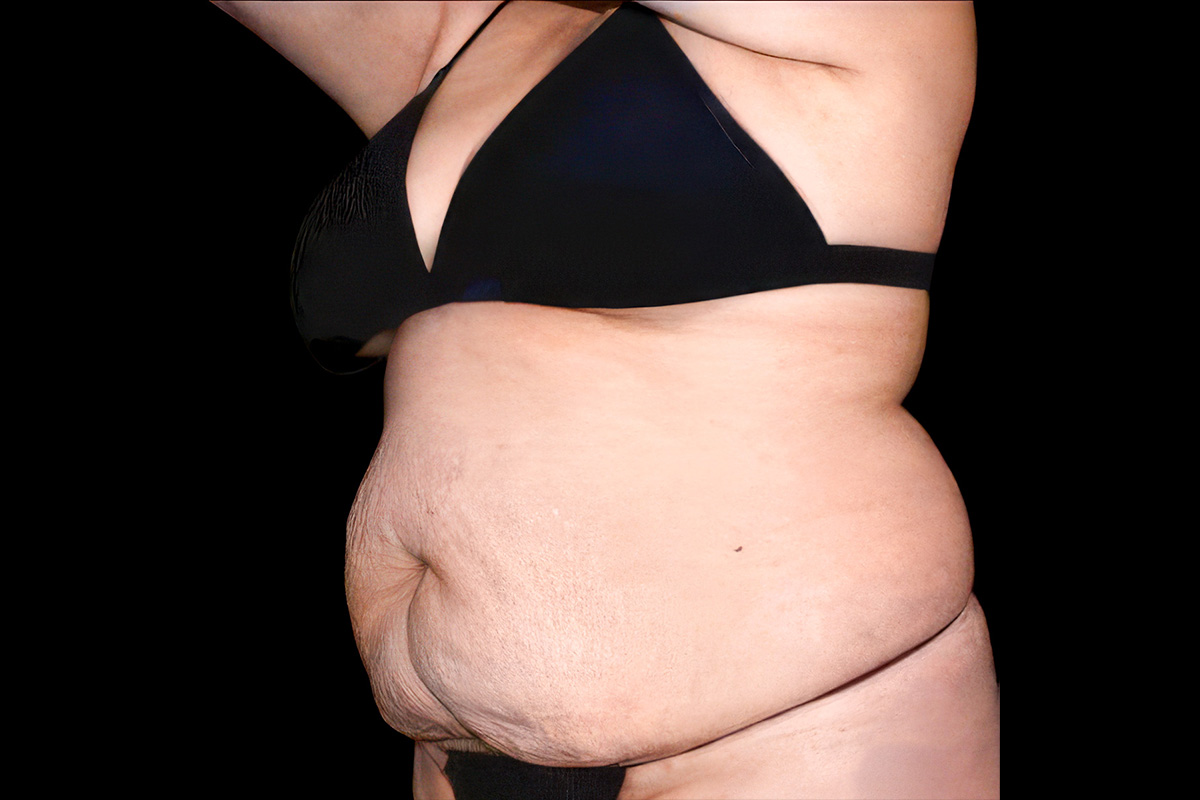
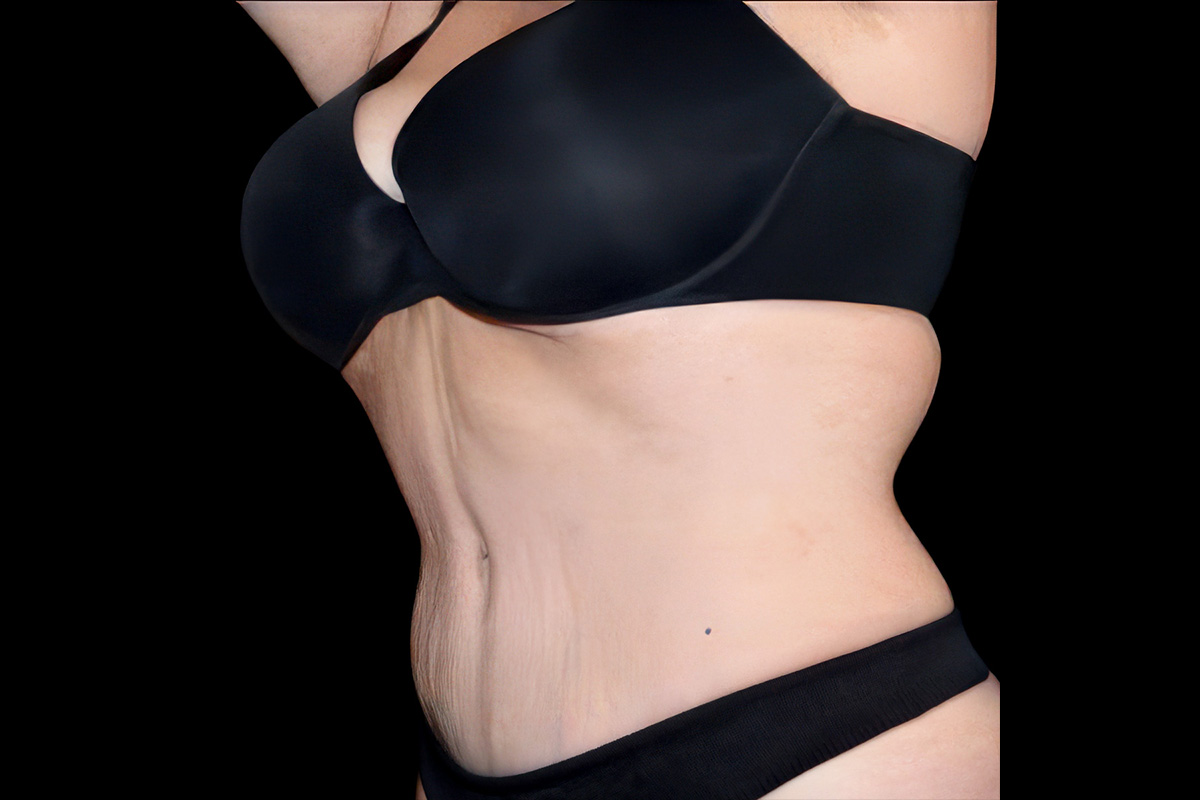
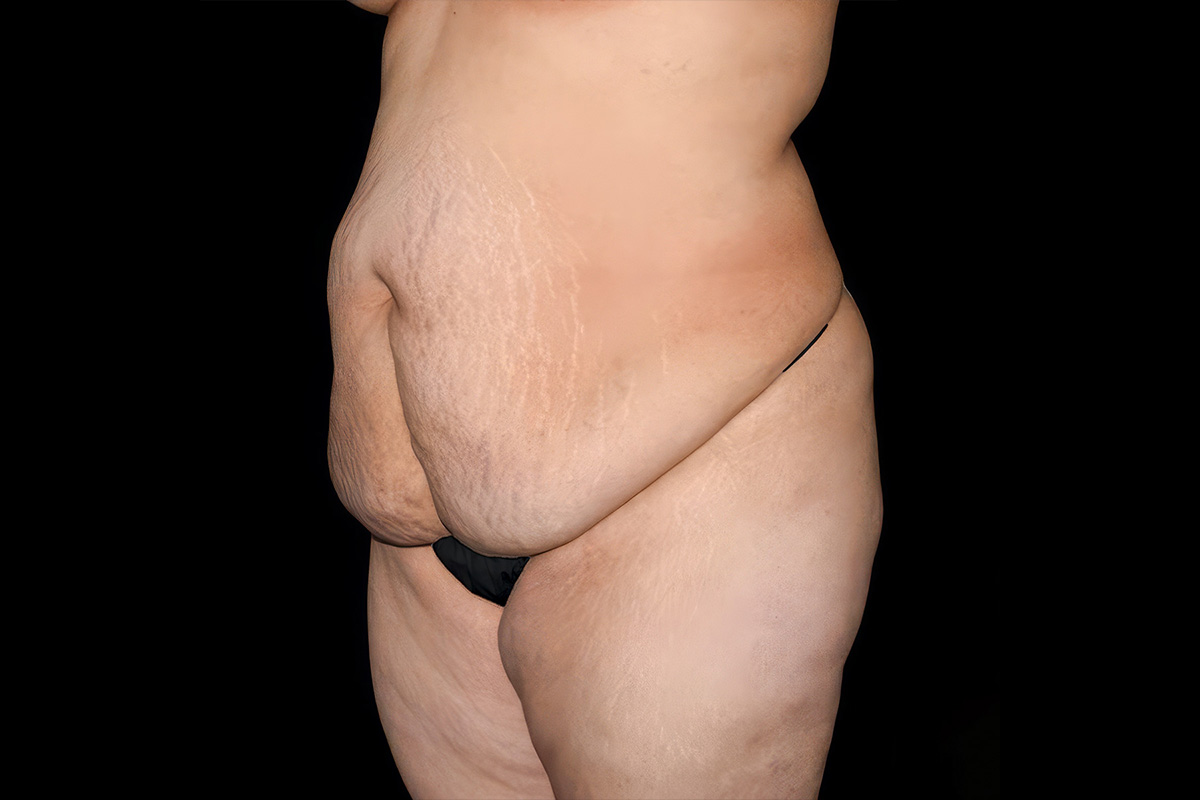
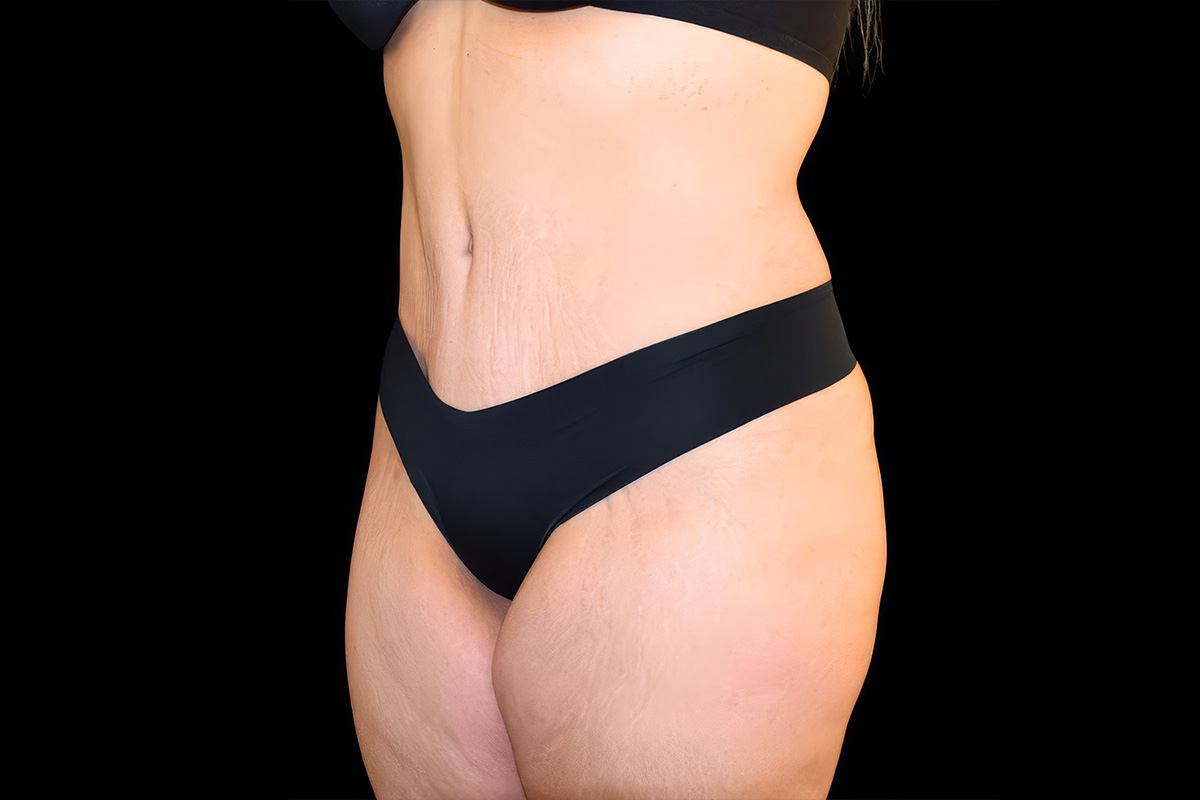


“I’ve been told I don’t have enough fat for a BBL” is one of the most common things lean patients say when they come in for a consultation. It is a reasonable concern, but it is not always accurate. A skinny BBL is not a workaround or a compromise. It is a specialized approach to Brazilian Butt Lift surgery designed for patients with lower body fat percentages, and with the right surgical strategy, lean patients can achieve meaningful, natural-looking results. Candidacy is determined through an in-person evaluation, not by a number on the scale.
Contents
- 1 What exactly is a “skinny BBL”?
- 2 Where does the fat come from? donor area strategies for lean patients
- 3 Realistic results: what can a skinny BBL actually achieve?
- 4 The skinny BBL surgery: what to expect
- 5 Skinny BBL recovery: key things to know
- 6 Skinny BBL vs. buttock implants: which is right for you?
- 7 FAQ
- 7.1 What is the minimum amount of fat needed for a BBL?
- 7.2 Can you get a BBL if you’re underweight?
- 7.3 How much bigger will a skinny BBL make my butt?
- 7.4 Does a skinny BBL hurt more than a regular BBL?
- 7.5 Can I gain weight after a skinny BBL to increase my results?
- 7.6 How long does a skinny BBL last?
- 7.7 Is a skinny BBL more expensive than a standard BBL?
- 7.8 What is a composite BBL?
- 8 Schedule a consultation to discuss your options
- 9 Sources
What exactly is a “skinny BBL”?
A skinny BBL is not a formal medical term. It is a widely used patient phrase describing a Brazilian Butt Lift performed on patients with lower body fat. The core technique is the same as a standard BBL: liposuction harvests fat from donor areas, that fat is processed and purified, and it is then re-injected into the buttocks to add volume and improve shape. What distinguishes a skinny BBL is the surgical context: less fat is available, donor sites are smaller and more numerous, and the precision required throughout the procedure is higher. For a comprehensive overview of how BBL surgery works, see our complete guide to BBL surgery.
Who may be a candidate for a skinny BBL:
- Patients at or near a healthy weight with some pinchable fat in at least two to three donor areas
- Patients who want natural, proportionate enhancement rather than high-volume augmentation
- Patients whose body fat is distributed across multiple smaller areas rather than concentrated in one region
- Patients who have been told they “can’t” get a BBL but have not had a formal in-person evaluation
How it differs from a standard BBL
In a standard BBL, one or two donor areas typically yield the majority of the harvested fat. In a skinny BBL, the surgeon harvests from multiple smaller sites, combining the yield from each to reach a workable injection volume. The purification process must be precise because the margin for waste is narrower. The injection phase requires a finer artistic touch because smaller volumes of fat need to be placed strategically to create the most visible shape improvement. Surgeons with advanced fat harvesting and contouring skills are better equipped to produce consistent results in lean patients.
Who is a candidate for a skinny BBL?
BMI alone does not determine candidacy. Body fat distribution matters more than overall weight. A patient at a lower BMI but with pinchable fat in the flanks, lower back, and inner thighs may be a better candidate than a patient of average weight whose fat is distributed in ways that are difficult to harvest. The only reliable way to assess candidacy is through an in-person consultation with physical evaluation. A surgeon who tells you definitively whether you qualify based on photos alone is not giving you an accurate assessment.
Where does the fat come from? donor area strategies for lean patients
The most important question for lean patients is not whether they have enough fat in any single area, but whether they have enough fat distributed across multiple areas that can be combined. This is where surgical strategy and experience make the difference.
Common donor areas for lean patients
Even in lean builds, certain areas tend to retain localized fat that can be harvested. The flanks and love handles are often the most reliable donor site for lean patients, frequently retaining fat even when other areas are minimal. The lower back and bra roll area is another common source. The inner thighs can yield usable fat in many patients. The upper abdomen may contribute modest volume. The arms are less commonly used but can be viable in some patients. In practice, the surgeon combines harvests from several of these areas to reach the total volume needed for a meaningful injection. This multi-site strategy is what makes a skinny BBL surgically feasible.
Liposuction 360 as a fat collection strategy
A circumferential liposuction approach, sometimes called lipo 360, achieves two goals at once: it contours the waist and torso while collecting fat from multiple areas in a single operation. For lean patients, this approach is often the most efficient way to harvest adequate volume while simultaneously improving the waist-to-hip ratio that makes BBL results look their best. The contouring effect of lipo 360 can itself significantly enhance the appearance of the buttocks by creating visual contrast between a narrower waist and the treated area.
How much fat is needed and how much survives?
There is no single universal minimum fat requirement. What matters is whether enough viable fat can be harvested, processed, and injected to produce a result the patient finds worthwhile. Surgeons typically harvest more fat than will ultimately be transferred because the purification process removes non-viable cells, and because most studies report a long-term fat survival rate of approximately 60 to 80 percent of the injected volume. Individual survival rates vary based on surgical technique, patient health, and post-operative care. Lean patients should expect a smaller total volume increase than patients with more donor fat, but meaningful shape improvement is achievable even at modest volumes.
Realistic results: what can a skinny BBL actually achieve?
Lean patients who approach a skinny BBL with the expectation of dramatic, high-volume results are likely to be disappointed. Lean patients who approach it with the goal of improving projection, enhancing shape, and creating better waist-to-hip proportion tend to be very satisfied. The results on a lean frame often look highly natural and proportionate precisely because the volume added is in line with the patient’s overall body composition.
Volume vs. shape: what matters more for lean frames
For lean patients, the artistic goal shifts from maximum volume to strategic reshaping. A relatively modest fat transfer can meaningfully change the visual profile of the buttocks when combined with precise waist contouring through liposuction. The before-and-after difference often reads more as a natural-looking improvement than an obvious augmentation, which aligns well with what many lean patients are actually seeking. You can review a range of outcomes across different body types in Dr. Roham’s BBL before-and-after gallery.
The composite BBL option
For lean patients who cannot achieve their desired volume through fat transfer alone, a composite BBL combines a small buttock implant with fat transfer to reach a volume that fat grafting alone cannot. The implant provides the foundational volume increase while fat transfer softens the edges and improves overall contour. This is a more complex procedure with different candidacy requirements and a somewhat different recovery, and it is not appropriate for all patients. Whether it is worth discussing depends on your goals and will be evaluated at consultation.
The skinny BBL surgery: what to expect
The procedure follows the same general sequence as a standard BBL. Surgery is performed under general anesthesia. The liposuction harvest phase comes first, collecting fat from the planned donor sites using tumescent technique in a sterile closed system. The harvested fat is then processed and purified to isolate viable adipocytes. Finally, the purified fat is injected into the buttocks using multiple controlled passes through the subcutaneous layer.
Safety protocols are the same regardless of the total fat volume transferred. SAFE BBL technique, which restricts all fat injection to the subcutaneous layer and avoids intramuscular placement, is essential. BBL carries a well-documented historical risk related to fat embolism from improper injection depth. That risk is substantially mitigated by subcutaneous-only injection and, where available, ultrasound guidance to confirm cannula position throughout the transfer phase. Patients should ask any BBL surgeon directly about their injection technique and whether ultrasound guidance is used.
Anesthesia and surgical setting
The skinny BBL is performed under general anesthesia in an accredited surgical facility or accredited in-office suite. The same safety standards that apply to any surgical procedure apply here regardless of procedure complexity. A dedicated anesthesia provider manages anesthesia throughout the operation.
Skinny BBL recovery: key things to know
Recovery from a skinny BBL follows the same general timeline as a standard BBL. For a detailed week-by-week breakdown, see our BBL recovery guide. The most important recovery variable for lean patients involves the sitting restriction.
Sitting restrictions and why they matter even more for lean patients
Most surgeons recommend avoiding direct pressure on the buttocks for six weeks post-surgery. This restriction exists because direct compression reduces blood flow to the transferred fat cells during the critical window when they are establishing their blood supply. For lean patients who transferred a smaller total volume, each surviving fat cell carries more proportional weight in the final outcome. Strict adherence to the BBL pillow technique, which transfers body weight through the thighs rather than the buttocks, is particularly important in this context. Compression garments are worn at the donor sites throughout the early recovery phase.
Skinny BBL vs. buttock implants: which is right for you?
For lean patients weighing their options, the following comparison covers the key differences:
| Factor | Skinny BBL (Fat Transfer) | Buttock Implants |
| Natural feel | Yes, uses own tissue | Less natural feel |
| Requires donor fat | Yes | No |
| Scarring | Minimal (small lipo incisions) | Larger incision required |
| Recovery | 4 to 6 weeks | 4 to 8 weeks |
| Volume limits | Dependent on available fat | More predictable volume |
| Longevity | Permanent (surviving fat) | Permanent |
Implants are not appropriate for all patients, and the decision between the two approaches is best made at consultation after a physical evaluation of your anatomy and a discussion of your goals.
FAQ
What is the minimum amount of fat needed for a BBL?
There is no single universal minimum. Candidacy depends on how fat is distributed across donor areas, how it responds to liposuction harvest, and the patient’s goals. A surgeon must evaluate in person to give you an accurate answer.
Can you get a BBL if you’re underweight?
Patients who are significantly underweight may not be safe or appropriate candidates. Most surgeons require patients to be at or near a healthy weight. Being lean does not automatically disqualify you, but being clinically underweight typically does.
How much bigger will a skinny BBL make my butt?
Results vary considerably. Lean patients typically achieve a more subtle enhancement: improved projection, a rounder shape, and better waist-to-hip ratio rather than a dramatic volume increase. The improvement often looks highly natural on a lean frame.
Does a skinny BBL hurt more than a regular BBL?
Pain levels are similar. Discomfort comes primarily from the liposuction donor sites. Lean patients may actually have fewer sites contributing to post-operative soreness if the harvest is more concentrated.
Can I gain weight after a skinny BBL to increase my results?
Transferred fat cells behave like native fat and can expand with weight gain. However, intentional weight gain is not a reliable or recommended strategy for enhancing BBL results. Controlled surgical fat transfer produces more predictable outcomes than relying on post-operative weight changes.
How long does a skinny BBL last?
The fat that survives the transfer, typically 60 to 80 percent of what is injected with proper technique, is considered permanent. Significant weight changes can affect results over time, as transferred fat responds to the same metabolic influences as native fat.
Is a skinny BBL more expensive than a standard BBL?
Pricing depends on the surgical plan, the number of donor sites, and total operating time rather than the patient’s body type alone. Multiple smaller harvest sites may affect procedural complexity.
What is a composite BBL?
A composite BBL combines fat transfer with a small buttock implant to achieve greater volume than fat transfer alone can provide for lean patients. It is an option when the desired outcome exceeds what fat grafting can reliably deliver on its own.
Schedule a consultation to discuss your options
The only accurate way to determine whether you are a candidate for a skinny BBL is through an in-person evaluation. No photo review, weight measurement, or online assessment substitutes for a physical examination of your donor areas and a conversation about your specific goals. Dr. Ali Roham is certified by the American Osteopathic Board of Surgery in Plastic and Reconstructive Surgery and takes time during every consultation to understand each patient’s body and what is realistically achievable before recommending a surgical plan.
His Newport Beach practice serves patients across Orange County who are exploring fat transfer options and want an honest assessment of what surgery can offer for their individual anatomy. Financing options are available for patients planning the investment. To schedule your BBL consultation, contact the office online or call (949) 269-6960.
Sources
- American Society of Plastic Surgeons, BBL statistics and fat transfer procedural overview: plasticsurgery.org
- ASPS Multi-Society Task Force on Safety in Gluteal Fat Grafting, SAFE technique principles: plasticsurgery.org
- The Aesthetic Society, Gluteal fat grafting safety recommendations: theaestheticsociety.org
- Aesthetic Surgery Journal, Fat survival rates in autologous fat transfer and BBL clinical outcomes: aestheticsurgeryjournal.com
- NIH/PubMed, Peer-reviewed studies on fat graft viability and survival rates: pubmed.ncbi.nlm.nih.gov