




Breast augmentation is one of the most personal decisions a woman can make. It involves real surgery, a meaningful recovery, and results that will shape how you look and feel for years to come. The implant brand matters far less than most patients realize. What actually determines whether you end up with a safe, beautiful, long-lasting result is the training, judgment, and technical skill of the surgeon performing the procedure.
The challenge is that a Google search for breast augmentation surgeons returns thousands of options, and it’s not always clear how to evaluate them. Before-and-after photos are a useful starting point, but they don’t tell you where someone trained, whether their facility is accredited, or how they handle complications. This guide gives you a step-by-step framework for making that evaluation with confidence, so you can walk into your consultation already knowing what to look for and what questions to ask.
What to look for in a breast augmentation surgeon:
- Board certification through ABPS or AOBS, verified independently
- Specialization in breast and body procedures
- Surgery performed exclusively in an accredited facility (AAAASF, AAAHC, or JCAHO)
- A dedicated anesthesia provider separate from the surgeon
- A transparent, organized before-and-after gallery with consistent photography
- Clear, unhurried answers to your questions during consultation
- No pressure to book on the day of your consultation
Contents
- 1 Why surgeon selection is the most important decision in your Breast Augmentation
- 2 Understanding board certification: what it means and why it matters
- 3 What to look for beyond credentials
- 4 Questions to ask during your Breast Augmentation consultation
- 5 Red flags to avoid when choosing a surgeon
- 6 How to compare multiple surgeons: a practical framework
- 7 FAQ
- 7.1 What is the difference between board-certified and board-eligible?
- 7.2 Is the american board of plastic surgery the only legitimate certification for Breast Augmentation?
- 7.3 How do I verify a surgeon’s board certification?
- 7.4 Should I choose a surgeon based on price?
- 7.5 How many consultations should I have before choosing a surgeon?
- 7.6 Does hospital privileges status matter if my surgery is in an outpatient surgical center?
- 7.7 What should I bring to a Breast Augmentation consultation?
- 7.8 Can I trust online reviews to evaluate a Breast Augmentation surgeon?
- 7.9 How important is a surgeon’s specialization for Breast Augmentation outcomes?
- 7.10 What is a good question to ask about surgical complications?
- 8 Schedule your consultation with Dr. Roham in Newport Beach
- 9 Sources
Why surgeon selection is the most important decision in your Breast Augmentation
According to the American Society of Plastic Surgeons, breast augmentation consistently ranks among the top cosmetic surgical procedures performed in the United States each year. With that volume comes an equally significant number of revision surgeries, many of which are preventable. Research published in the Aesthetic Surgery Journal has identified suboptimal surgical technique as one of the primary drivers of reoperation, separate from implant failure. In other words, how the surgeon performs the procedure matters as much as the implant itself.
The difference between a good outcome and a revision surgery
The most common reasons patients return for revision surgery include capsular contracture, implant malposition, visible asymmetry, and rippling. All of these can be influenced by surgical technique: how the pocket is created, how the implant is positioned, how the incision is closed, and how the patient is selected in the first place. A surgeon with deep experience in breast procedures will anticipate these issues and take steps to prevent them. Choosing the right surgeon the first time is the single most effective way to avoid a second operation. If you want to understand the specific warning signs that indicate a revision may be needed, see our guide on the most common signs you may need breast implant replacement.
What patients get wrong when choosing a surgeon
The most common mistake patients make is selecting a surgeon based on price alone. Unusually low quotes often reflect compromises somewhere, whether in facility quality, anesthesia staffing, or implant selection. A second common error is assuming that the phrase “board-certified plastic surgeon” means the same thing regardless of who says it. As we’ll explain below, multiple certifying bodies exist and they have meaningfully different training requirements. Patients also frequently rely on Instagram aesthetics without verifying training or touring the surgical facility, and make decisions based on a single consultation rather than comparing two or three options.
Understanding board certification: what it means and why it matters
“Board-certified” is not a single standard. Multiple certifying bodies exist in the United States, and patients deserve to understand what each one requires before trusting their safety to a surgeon’s credentials. This is not about ranking pathways against each other. It is about helping patients make a genuinely informed decision.
The major certification pathways in plastic surgery
American Board of Plastic Surgery (ABPS): The ABPS is the most widely recognized pathway for plastic surgery certification in the United States. It requires completion of an ACGME-accredited general surgery residency followed by a full plastic surgery residency, as well as written and oral board examinations. ABPS certification is the standard pathway for allopathic (MD) trained surgeons pursuing plastic surgery.
American Osteopathic Board of Surgery (AOBS), Plastic and Reconstructive Surgery: The AOBS is the AOA-recognized certifying body for osteopathic surgeons who have completed accredited osteopathic surgical residencies and fellowships. Surgeons certified through this pathway undergo rigorous written and practical examinations and must demonstrate competency across the full scope of plastic and reconstructive surgery. The AOBS represents a parallel, equally demanding training tradition rooted in osteopathic medicine.
American Board of Cosmetic Surgery (ABCS): The ABCS is a separate credentialing body that focuses specifically on cosmetic procedures. It operates outside the traditional residency-based training model of ABPS and AOBS and has different eligibility requirements. Patients should understand this distinction when evaluating surgeon backgrounds.
All three certifications require demonstrated competency. The key takeaway for patients is that “board-certified” means different things depending on which board and that verifying the specific certifying body is an important step in the evaluation process.
How to verify a surgeon’s credentials
Credential verification is straightforward and takes only a few minutes. For ABPS certification, use certificationmatters.org. For AOBS certification, use certification.osteopathic.org. To check state license status and any disciplinary history, search the Medical Board of California’s license lookup. Hospital privileges are also worth verifying: a surgeon who holds operating privileges at a hospital has passed an independent peer review process, which is a strong signal of training quality and professional standing even if the surgery itself will be performed in an outpatient setting. You can always ask your surgeon directly during the consultation as well.
Why Dr. Roham’s certification and training background matter
Dr. Ali Roham is an example of the AOBS pathway. He completed a five-year general surgery residency at Henry Ford Health System followed by a three-year plastic surgery fellowship at Beaumont Health Systems, and is certified by the American Osteopathic Board of Surgery in Plastic and Reconstructive Surgery. His general surgery foundation is worth noting specifically from a patient safety standpoint. Surgeons with extensive general surgery training carry deep knowledge of wound healing, vascular management, and emergency response into every procedure they perform. That background is not cosmetic. It is directly relevant to how a surgeon handles the unexpected. Patients who work with a surgeon of this training depth are better positioned to achieve their goals safely.
What to look for beyond credentials
Credentials establish a baseline. They are necessary but not sufficient. The following factors help distinguish excellent surgeons from merely qualified ones.
Specialization: does the surgeon focus on breast procedures?
A surgeon who performs breast augmentation regularly tends to have superior technical mastery compared to one who performs it occasionally among a wide variety of other procedures. Volume builds pattern recognition. A specialist refines their preferred techniques over thousands of cases, develops a sharper eye for implant selection, and builds institutional knowledge of what works across different body types. Dr. Roham’s practice focuses on breast and body procedures, including breast augmentation, breast lift, breast lift with augmentation, and body contouring. That concentration of work is a meaningful quality signal.
Before-and-after photo galleries: how to evaluate them critically
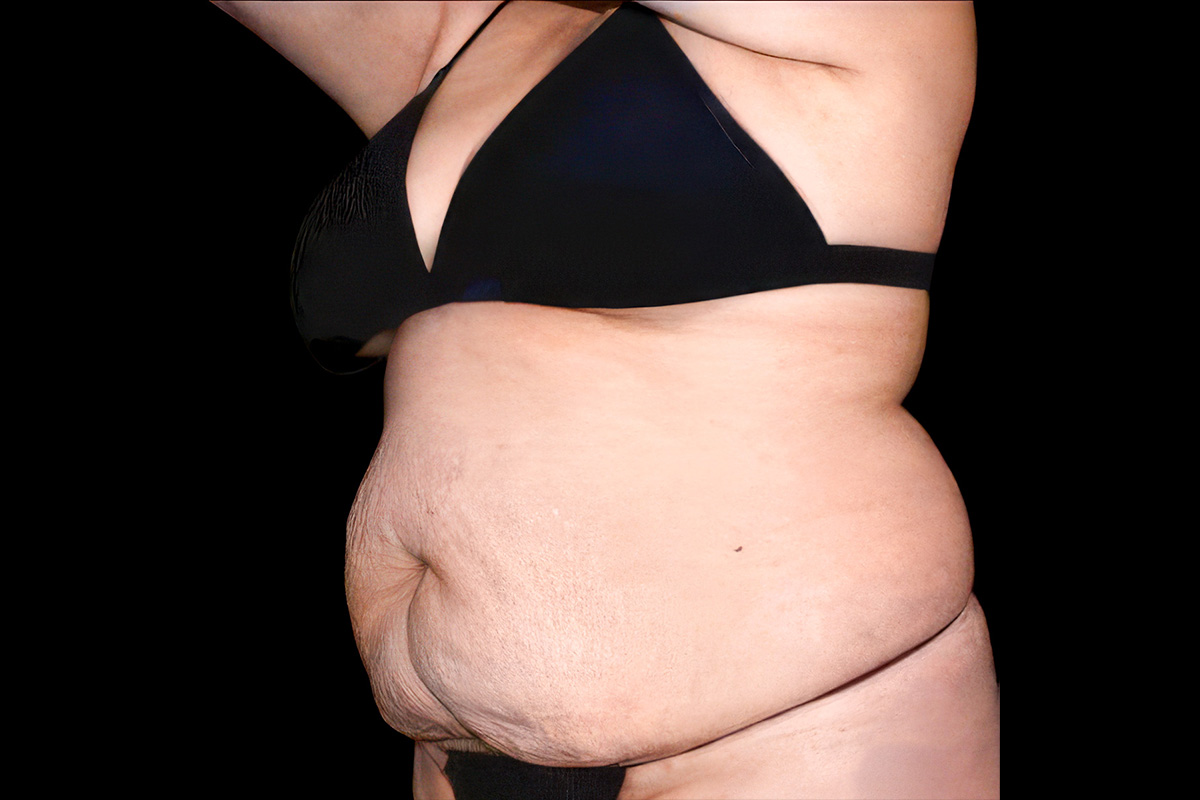
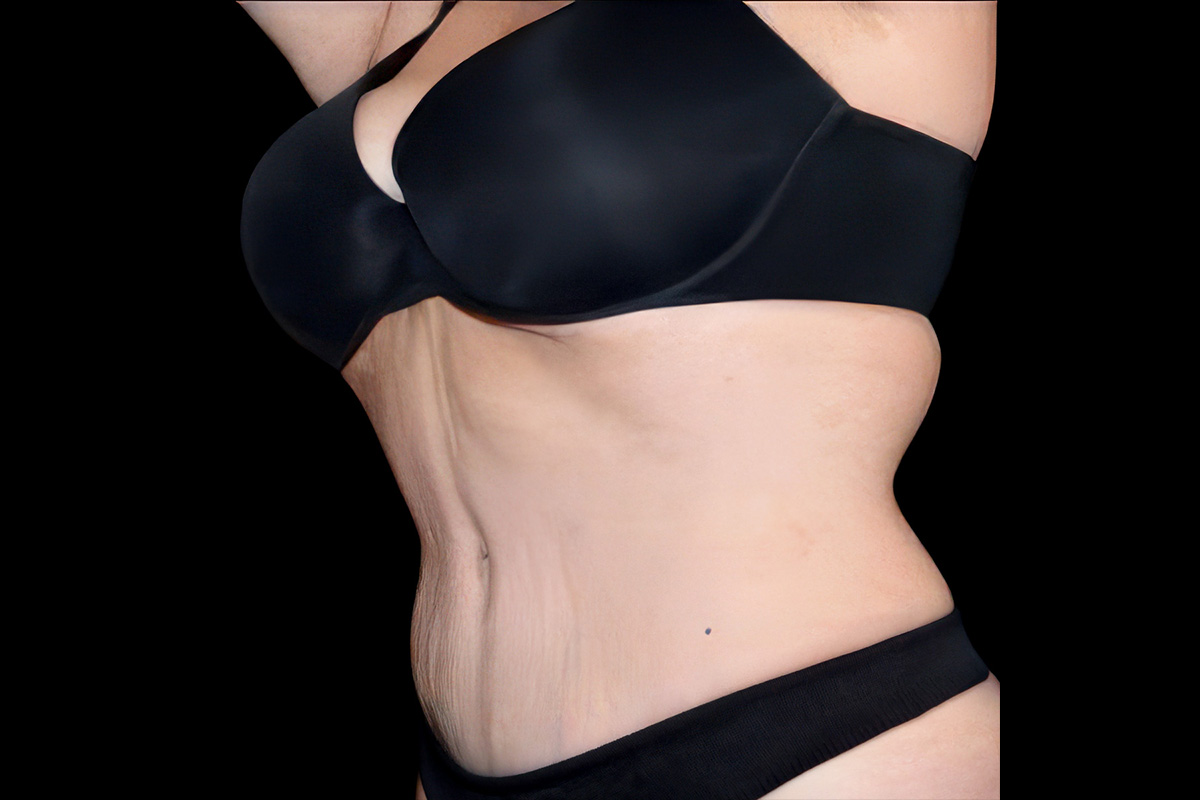
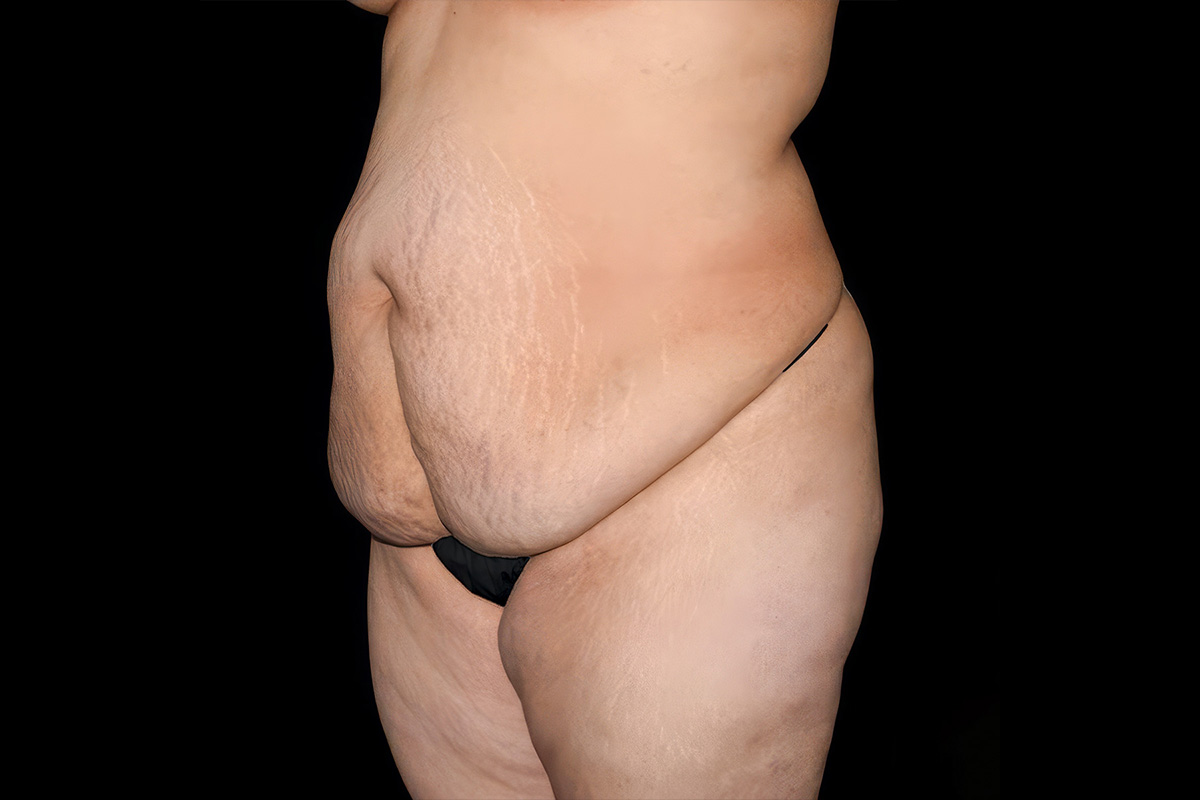
Before-and-after photos are useful, but only when you know what to look for. Standardized photography is a positive indicator: consistent lighting, backgrounds, and camera distance mean the surgeon is presenting results honestly rather than using angles and filters to flatter outcomes. Look for patients with a body type similar to your own, not just the most dramatic transformations. A strong gallery should show a range of results across different body frames and implant sizes, not only the best-case photos. You can review Dr. Roham’s breast augmentation before-and-after gallery as a reference for what consistent, organized documentation looks like.
Surgical facility accreditation
The facility where your surgery is performed matters as much as the surgeon’s credentials. The major accreditation bodies for outpatient surgical facilities are AAAASF (American Association for Accreditation of Ambulatory Surgery Facilities), AAAHC (Accreditation Association for Ambulatory Health Care), and JCAHO (The Joint Commission). Accredited facilities are subject to unannounced inspections, must meet strict standards for emergency preparedness, anesthesia protocols, and equipment, and are required to maintain ongoing staff training and safety documentation. Surgery performed in a non-accredited setting removes all of those protections. Always confirm accreditation status before proceeding. Note that accredited in-office suites are also a legitimate and appropriately regulated option for shorter, less complex procedures performed under local anesthesia.
Anesthesia: who is in the room?
General anesthesia for breast augmentation should be administered by a dedicated anesthesia provider: either an anesthesiologist (MD or DO) or a certified registered nurse anesthetist (CRNA). This person’s sole responsibility during your surgery is managing your anesthesia and monitoring your safety. Be cautious of settings where the operating surgeon also manages sedation, as this divides attention in a way that is not in the patient’s best interest. Ask specifically who will administer anesthesia and what their credentials are before your surgery date.
Questions to ask during your Breast Augmentation consultation
A consultation is not just an opportunity for the surgeon to evaluate you. It is equally your opportunity to evaluate the surgeon. Come prepared with questions and pay attention to how they are answered.
Questions about training and experience
- What board certifies you, and can I verify that independently?
- How many breast augmentations do you perform per year?
- Do you perform breast revisions? A surgeon confident in their outcomes will be willing to handle complications.
- What percentage of your practice is breast and body procedures?
Questions about the procedure and facility
- Where will my surgery take place, and is that facility accredited?
- Who will administer anesthesia, and what are their credentials?
- What implant brands do you use, and why do you prefer them?
- Do you use textured or smooth implants, and what is your reasoning for my specific case?
- What is your rate of capsular contracture and reoperation?
Questions about recovery and aftercare
- Who do I contact if I have a concern after surgery, including evenings and weekends?
- Will you personally see me for all follow-up appointments?
- What is your policy if I need a revision?
Red flags to avoid when choosing a surgeon
Trust your instincts if you encounter any of the following during your research or consultation.
Pressure to book during the same appointment is a significant warning sign. A reputable surgeon will give you time to think. Evasiveness about credentials or an inability to clearly explain certifying bodies and training background should prompt additional scrutiny. Unusually low pricing without explanation often reflects cost-cutting on facility quality, anesthesia staffing, or implant selection. Explore financing options if cost is a concern rather than compromising on surgeon quality. Absence of a physical before-and-after gallery, surgery performed in a non-accredited setting, and a surgeon who is not personally present for pre-operative appointments or follow-up visits are all additional warning signs worth taking seriously.
How to compare multiple surgeons: a practical framework
Ideally, you should consult with two or three surgeons before making a decision. When comparing, use a consistent framework: credentials and certifying body, specialization focus, gallery quality and consistency, overall consultation experience, facility accreditation status, and clarity of communication. Note not just what each surgeon says but how they say it. A surgeon who listens carefully, answers questions specifically rather than generically, and does not rush you through the appointment is demonstrating a practice culture that carries through into surgical care.
FAQ
What is the difference between board-certified and board-eligible?
Board-eligible means a surgeon has completed all training requirements but has not yet passed board examinations. Board-certified means they have passed. When choosing a surgeon for an elective procedure, always prefer board-certified.
Is the american board of plastic surgery the only legitimate certification for Breast Augmentation?
No. The American Osteopathic Board of Surgery in Plastic and Reconstructive Surgery (AOBS) is a fully recognized certifying body through the American Osteopathic Association. Both the ABPS and AOBS pathways require rigorous surgical training and examination. Neither is inherently superior; they represent parallel traditions within American medical training.
How do I verify a surgeon’s board certification?
For ABPS certification, visit certificationmatters.org. For AOBS certification, visit certification.osteopathic.org. For California license status and disciplinary history, check the Medical Board of California at mbc.ca.gov.
Should I choose a surgeon based on price?
Price should not be the primary decision factor. Unusually low quotes may reflect compromises in facility accreditation, anesthesia quality, or implant selection. Focus on qualifications first, then explore financing options if needed.
How many consultations should I have before choosing a surgeon?
Ideally two to three. Multiple consultations allow you to compare surgical plans, communication styles, and overall confidence. Never feel rushed to commit during or immediately after a first appointment.
Does hospital privileges status matter if my surgery is in an outpatient surgical center?
Yes. Hospital privileges indicate the surgeon has passed independent peer review at a hospital, validating their training and performance history. It is a meaningful safety credential even when surgery will be performed in an outpatient setting.
What should I bring to a Breast Augmentation consultation?
Bring your medical history, a list of current medications, any prior surgical records, a written list of questions, and optionally a few example photos that represent your desired outcome. Having these prepared makes the consultation more productive for both you and the surgeon.
Can I trust online reviews to evaluate a Breast Augmentation surgeon?
Reviews offer useful signals about patient experience and communication style, but should not replace credential verification. Supplement reviews with gallery review, in-person consultation, and direct credential lookup.
How important is a surgeon’s specialization for Breast Augmentation outcomes?
Very important. A surgeon who performs breast augmentation consistently, as a core focus of their practice, typically has greater technical precision and more refined judgment around implant selection and placement than one who performs it occasionally among a broad range of unrelated procedures.
What is a good question to ask about surgical complications?
Ask: “What is your reoperation rate, and what are the most common reasons your patients return for revision?” A surgeon who answers this honestly and specifically is demonstrating exactly the kind of transparency you want.
Schedule your consultation with Dr. Roham in Newport Beach
If you are ready to take the next step toward breast augmentation, Dr. Ali Roham offers consultations at his Newport Beach practice in a no-pressure environment focused on education and honest surgical planning. His credentials are fully verifiable through the AOBS, his practice focuses exclusively on breast and body procedures, and every surgery is performed in an accredited surgical facility. Patients who work with a trained, experienced surgeon are better positioned to achieve their goals safely and with results that hold up over time.
To review real patient results before booking, visit the breast augmentation before-and-after gallery. To schedule your consultation, contact the office online or call (949) 269-6960.
Sources
- American Society of Plastic Surgeons, Breast Augmentation statistics and board certification overview: plasticsurgery.org
- American Osteopathic Board of Surgery, Certification pathways and requirements: certification.osteopathic.org
- FDA, Guidance on choosing a qualified surgeon for breast implant procedures: fda.gov
- AAAASF, Accreditation standards and inspection process: aaaasf.org
- Aesthetic Surgery Journal, Revision surgery rates and primary causes of reoperation after breast augmentation: asj.oxfordjournals.org
- Medical Board of California, Surgeon license verification: mbc.ca.gov