



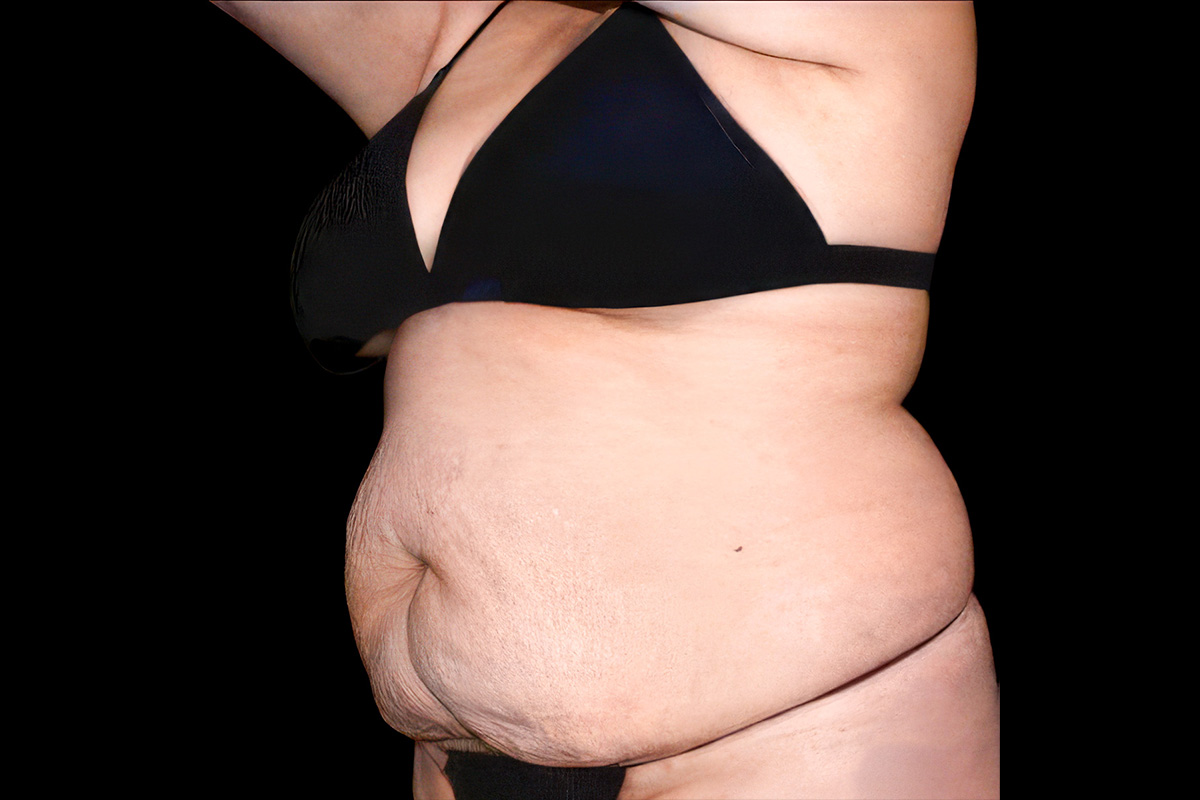
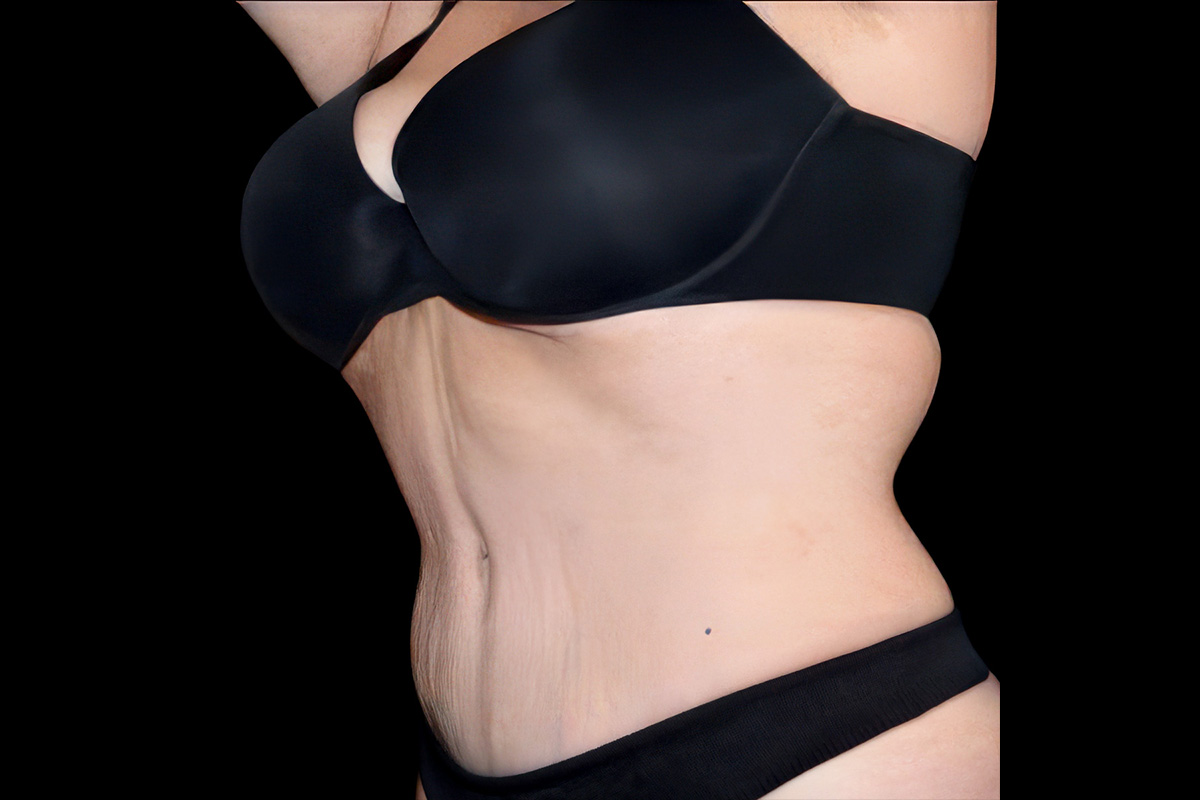
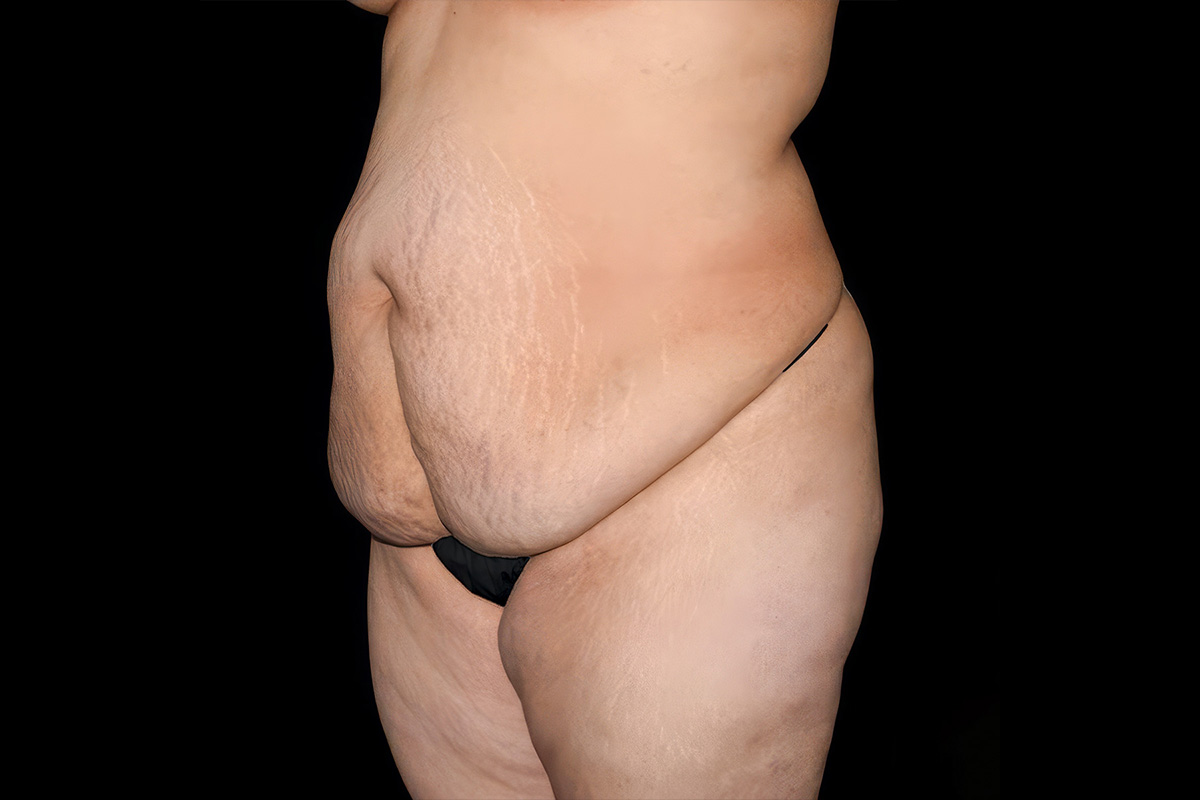
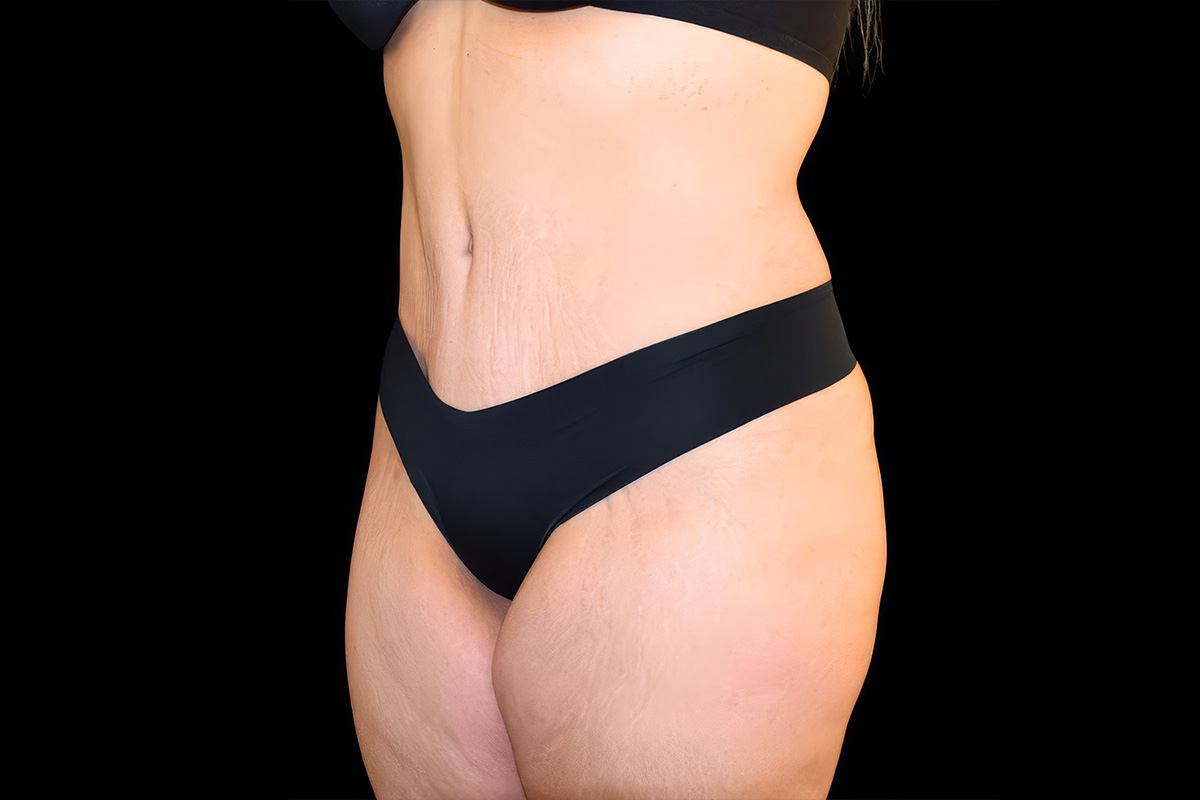


Here is the honest answer most patients are looking for: mommy makeover recovery is longer and more involved than a single-procedure recovery. That is just the truth, and pretending otherwise does not help anyone plan well. What is also true is that it is predictable, manageable, and front-loaded: the hardest days are early, and they pass. Recovery anxiety is one of the most common reasons patients delay booking, so this guide exists to replace that anxiety with a clear, realistic picture of what each week actually looks like. The goal is to help you plan around your real life: your kids, your job, your partner’s schedule, and your own health. Dr. Roham’s Newport Beach practice helps patients build exactly this kind of plan during consultation.
How long does mommy makeover recovery take? Most patients have their pain well managed by the end of week two and feel largely functional by week four. Light exercise is typically cleared around six weeks, with full exercise resuming between eight and twelve weeks. Final results, including complete implant settling and scar maturation, emerge at six months and continue improving through twelve to eighteen months.
Contents
- 1 Before we start: what procedures are in your Mommy Makeover?
- 2 Preparing for recovery: what to do before surgery day
- 3 Mommy Makeover recovery week by week
- 3.1 Days 1 to 3: surgery day through the first 72 hours
- 3.2 Days 4 to 7: the end of the first week
- 3.3 Week 2: beginning to feel human again
- 3.4 Weeks 3 to 4: regaining independence
- 3.5 Weeks 5 to 6: most patients return to work and social life
- 3.6 Months 2 to 3: returning to exercise
- 3.7 Months 4 to 6 and beyond: final results emerge
- 4 Recovery nuances for specific procedure combinations
- 5 Top recovery tips from experienced patients
- 6 When to call your surgeon during Mommy Makeover recovery
- 7 FAQ
- 7.1 How long does Mommy Makeover recovery take in total?
- 7.2 When can I pick up my children after a Mommy Makeover?
- 7.3 Can I sleep in my bed after a Mommy Makeover, or do I need a recliner?
- 7.4 How much pain can I expect after a Mommy Makeover?
- 7.5 When can I return to the gym after a Mommy Makeover?
- 7.6 What does a Mommy Makeover scar look like, and does it go away?
- 7.7 How long do I have to wear the compression garment?
- 7.8 What happens if my drain is still in when I go back to work?
- 7.9 Can I drive myself to follow-up appointments during recovery?
- 8 Plan your Mommy Makeover recovery with Dr. Roham
- 9 Sources
Before we start: what procedures are in your Mommy Makeover?
A mommy makeover is not a single procedure. It is a customized combination, typically built around a tummy tuck plus a breast procedure such as a lift, augmentation, or both, often with liposuction added. Recovery experience is shaped by which procedures are combined. This guide assumes the most common combination: tummy tuck plus breast lift with or without augmentation. Notes on variations appear where relevant. For a full overview of what a mommy makeover involves, see our guide on what is a mommy makeover.
If you want procedure-specific recovery detail for the tummy tuck component specifically, our tummy tuck recovery guide goes into that in depth.
Why combined procedure recovery is different
When multiple anatomical areas are addressed in one surgery, the body is managing multiple healing processes at the same time. Recovery is not twice as hard as a single procedure, but it is meaningfully extended. The tradeoff is real: instead of two separate surgeries months apart with two anesthesia events and two recovery periods, you have one surgery, one recovery, and one significant stretch of downtime. For most patients with children at home and full lives to return to, that consolidation is worth it.
Preparing for recovery: what to do before surgery day
The patients who recover smoothest are the ones who set up their recovery before they need it.
Childcare planning: the most critical logistics
If you have children under eight to ten years old, plan for at least two full weeks of dedicated, full-time help. This means another adult who can handle school pickup, baths, nighttime needs, and anything else that normally falls to you. It is not optional. No lifting of children over ten pounds is permitted for four to six weeks after a tummy tuck. That restriction is non-negotiable for proper abdominal healing, and it applies even if the child is crying and reaching for you.
Tell your children, in age-appropriate terms, that you will not be able to hold them or carry them for a while. Younger children may not fully understand, which is all the more reason the logistics need to be locked down before surgery day, not improvised in week one. Patients who underplan childcare coverage are consistently the ones who have the most difficult recoveries. Two weeks of real help is the minimum. If your youngest child is a toddler or infant, plan for more.
Setting up your recovery space
Set up a dedicated recovery area before surgery day because you will not want to organize anything once you are home. A recliner or wedge pillow system is important for the first one to two weeks: tummy tuck patients cannot lie flat initially and need to sleep semi-reclined at a 30 to 45 degree angle to reduce tension on the abdominal closure. Place medications, a water bottle, phone charger, remote control, and anything else you will regularly reach for within arm’s reach at waist height. No overhead reaching. Wear loose, front-opening clothing for the first two weeks. Arrange easy bathroom access and pre-stock it with what you will need. Pre-cook meals or arrange delivery for the first one to two weeks.
Prescription and supply checklist
Fill all prescriptions before surgery day. You will want: prescription pain medication, a stool softener (narcotic pain medications cause constipation and this is easily addressed proactively), your prescribed compression garment, antibiotics if prescribed, arnica supplements if your surgeon approves them, gauze and any wound care supplies your surgical team specifies, and ice packs for swelling management at the early donor or incision sites.
Mommy Makeover recovery week by week
Days 1 to 3: surgery day through the first 72 hours
Expect to feel the effects of anesthesia through most of the first day: grogginess, nausea, and disorientation are normal. Pain is real and is managed with prescription medication taken on schedule. The tummy tuck creates a sensation of abdominal tightness that causes most patients to walk slightly hunched forward in the early days. This is expected and resolves as the tissue heals and relaxes. Breast soreness and swelling are present alongside the abdominal discomfort.
If drains were placed (most tummy tuck patients go home with one or two), they will need to be emptied and recorded. Your surgical team will show you how before discharge. Sleep semi-reclined and use a pillow beneath your knees to reduce abdominal tension. Activity is limited to supervised bathroom trips. Full-time help at home is non-negotiable during this period. The first 48 to 72 hours are often the hardest part of the entire recovery. That is not a reason to worry. It is the nature of the timeline, and it ends.
Days 4 to 7: the end of the first week
Pain transitions for most patients from sharp and acute to a dull, manageable ache by day four or five. Swelling typically peaks around days three to five before beginning to slowly subside. Breast discomfort is usually more manageable than abdominal soreness at this stage. Most patients begin transitioning off prescription pain medication toward over-the-counter options such as acetaminophen by the end of week one, though this varies.
Short, gentle walks around the home are encouraged beginning as early as day two or three. Moving promotes circulation and meaningfully reduces the risk of blood clots, which is a real concern after any longer surgical procedure. Showering is typically cleared between days three and five depending on your surgeon’s protocol: seated showers, no bath, no submerging incisions. Full-time childcare help remains essential. Do not lift anything, and do not try to manage children on your own.
Week 2: beginning to feel human again
By week two, most patients feel a meaningful shift. Comfort improves noticeably, swelling begins to visibly decrease, and the round-the-clock need for help starts to taper. Drains are typically removed around one to two weeks once output has dropped below the threshold your surgeon sets. Drain removal is a milestone most patients celebrate.
Compression garments are worn 24 hours a day at this stage. Driving is typically cleared once you are completely off narcotic pain medication and have adequate arm mobility to react quickly, often around day seven to ten depending on your procedure and healing pace. Short walks outside on flat terrain are appropriate. A second adult at home is still important for lifting and nighttime needs, though some patients with older children (six and up) begin managing daytime supervision by the end of week two. Remote or desk work may be possible at the end of week two for some patients with surgeon clearance.
Weeks 3 to 4: regaining independence
Most patients feel dramatically better in weeks three and four compared to the first two. Abdominal tightness remains present but no longer limits normal walking or daily activity. Breast swelling continues to resolve, and early scar management typically begins: silicone sheets or strips applied as directed by your surgeon. Incisions are healing and you can see the early shape of where your results are heading, even through continued swelling.
Driving is generally cleared for most patients in this window. Light errands are manageable. In-person desk work is typically cleared in weeks three to four depending on your job and healing progress. You still cannot lift children or toddlers, and vigorous activity remains off the table. Many patients describe weeks three to four as the period where they start to feel like themselves again, even if they are not fully back.
By weeks five and six, the compression garment may transition to a lighter garment or part-time wear depending on your surgeon’s protocol. Incision lines are still visible and pink at this stage but are healing well. Swelling is approximately 60 to 70 percent resolved. Light cardio, including walking and gentle cycling, is cleared for most patients at six weeks with surgeon approval.
Most childcare restrictions are lifted by six weeks: you can typically resume normal carrying and parenting activity. Patients with physically demanding jobs, including jobs that require lifting, bending, or prolonged standing, generally need six to eight weeks off. Most patients feel comfortable in social settings and are dressing and presenting normally by this point.
Months 2 to 3: returning to exercise
Core strength continues to return during months two and three. Breast swelling is largely resolved and implants, if placed, are continuing the drop-and-fluff settling process. Progressive return to exercise is the goal of this phase: light resistance training, then full exercise typically cleared around weeks eight to twelve depending on the procedures in your combination. Scar treatment continues: scars are still pink but beginning to flatten and soften. Most patients start to see results that genuinely resemble what they hoped for during this phase, which is motivating. Final results are not here yet, but the direction is clear.
Months 4 to 6 and beyond: final results emerge
Swelling fully resolves during months four to six. Implants, if placed, are in their final settled position. The tummy tuck result is visible in its permanent form. Scars are transitioning from pink toward their final faded, flattened appearance. All activity restrictions are lifted. This is the phase patients most often describe as feeling like themselves again, better than before. Full scar maturation takes twelve to eighteen months and results continue to improve during that window. Scheduling post-operative photos with your surgeon around the six-month mark is a good way to document the final result.
Recovery nuances for specific procedure combinations
Tummy Tuck and Breast Lift without implants
This is generally the most straightforward mommy makeover recovery. There is no implant settling period and no chest muscle soreness from submuscular placement. Most patients find the breast lift component considerably easier than the tummy tuck. The tummy tuck drives the overall recovery timeline.
Tummy Tuck and Breast Augmentation with or without a lift
Adding submuscular implant placement introduces chest muscle soreness in the first one to two weeks alongside the abdominal discomfort. Sleeping position requires accommodating both areas simultaneously. The implant settling process adds an aesthetic timeline of three to six months as implants drop and soften into their final position.
Adding Liposuction to the Mommy Makeover
Additional liposuction of the flanks, hips, or thighs adds localized swelling and soreness at the treated sites but typically does not extend the overall recovery timeline significantly. Compression garment coverage will be broader to encompass the liposuction areas.
Top recovery tips from experienced patients
Plan for twice as much help as you think you need in the first week, then reassess. Set up your recovery space the day before surgery. Walk a little more each day starting around day three: consistent, gentle movement is one of the most effective things you can do for healing and clot prevention. Invest in a well-fitting compression garment, as a poorly fitting one creates avoidable discomfort across weeks of wear. Take photos at regular weekly intervals: daily progress is hard to see but weekly changes are motivating. Accept that week one will be the hardest stretch and remind yourself it is finite. Stay ahead of pain rather than waiting until it is severe before medicating, within your surgeon’s prescribed guidelines. Ask your surgeon about lymphatic massage, which many recommend starting in week two to reduce swelling and support healing after liposuction.
When to call your surgeon during Mommy Makeover recovery
Most recoveries proceed without complications. The following symptoms are uncommon, but they are important to recognize and act on promptly.
Call your surgeon immediately if you experience: a fever above 101.5 degrees Fahrenheit; pain that is increasing rather than gradually improving after day five; redness, warmth, or hardening that is spreading outward from an incision site; sudden swelling in one calf, which can indicate a blood clot and requires same-day evaluation; unusual discharge or odor from an incision; or drain output that suddenly increases after days of decreasing.
Your surgical team expects to hear from you when something feels off. Calling is not an overreaction. It is exactly what the post-operative relationship is designed for.
FAQ
How long does Mommy Makeover recovery take in total?
Most patients are largely functional by week four and cleared for light exercise at six weeks. Full exercise resumes between eight and twelve weeks. Final results are visible at six months, with scar maturation continuing through twelve to eighteen months.
When can I pick up my children after a Mommy Makeover?
Most surgeons clear patients to lift children at four to six weeks after a tummy tuck. This is one of the most important restrictions to follow: premature lifting places direct stress on the abdominal closure and can compromise the result.
Can I sleep in my bed after a Mommy Makeover, or do I need a recliner?
A recliner or wedge pillow is strongly recommended for the first one to two weeks. Lying completely flat creates tension on the tummy tuck closure and increases discomfort. Many patients transition back to their bed in a semi-elevated position by week two.
How much pain can I expect after a Mommy Makeover?
The first three to five days involve the most significant discomfort, managed with prescription pain medication. By day four or five, most patients describe the sensation as a dull tightness rather than sharp pain. Over-the-counter pain management is usually sufficient by the end of week one for most patients.
When can I return to the gym after a Mommy Makeover?
Light cardio such as walking is cleared at six weeks for most patients. Full resistance training and core exercise typically resume at eight to twelve weeks depending on your specific procedure combination and how healing has progressed.
What does a Mommy Makeover scar look like, and does it go away?
Incision scars are pink and slightly raised in the early months, then gradually flatten and fade. Tummy tuck scars are placed low on the abdomen, designed to sit within a bikini or underwear line. Full scar maturation takes twelve to eighteen months. Consistent scar treatment with silicone products and sun protection significantly affects the final appearance.
How long do I have to wear the compression garment?
Most surgeons prescribe continuous compression garment wear for four to six weeks, followed by a transition to lighter or part-time compression for an additional period. Follow your surgeon’s specific instructions, as protocols vary.
What happens if my drain is still in when I go back to work?
Some patients return to desk work with a drain still in place, particularly if they return around week two. Drains can be concealed under loose clothing and managed discreetly. Discuss this specifically with your surgeon: they will advise whether your work schedule and drain status are compatible.
Can I drive myself to follow-up appointments during recovery?
Not while you are taking prescription narcotic pain medication. Most patients are cleared to drive around days seven to ten once they are off narcotics and have adequate reaction ability. Confirm clearance with your surgeon before driving.
Plan your Mommy Makeover recovery with Dr. Roham
Recovery planning is a core part of the consultation process at Roham Plastic Surgery. Before surgery day, you will have a clear picture of exactly what your recovery will look like based on which procedures are in your plan, your health, and your life circumstances. Dr. Ali Roham is a board-certified surgeon with specialized training in plastic surgery serving patients across Newport Beach and Orange County. His team supports patients at every stage of recovery and is available to answer questions throughout the healing process.
To schedule your mommy makeover consultation, contact the office online or call (949) 269-6960. To see real patient results, visit the mommy makeover before and after gallery. For cost planning, see our mommy makeover costs in California guide.
Sources
- American Society of Plastic Surgeons, Mommy makeover procedural statistics and recovery guidelines: plasticsurgery.org
- Aesthetic Surgery Journal, Combination procedure recovery outcomes and pain management in abdominoplasty cases: aestheticsurgeryjournal.com
- Cleveland Clinic, Post-surgical recovery guidance and blood clot risk factors: clevelandclinic.org
- NIH/PubMed, Wound healing timeline and lymphatic drainage in post-surgical edema: pubmed.ncbi.nlm.nih.gov
- Mayo Clinic, General post-surgical care and pain management guidance: mayoclinic.org