




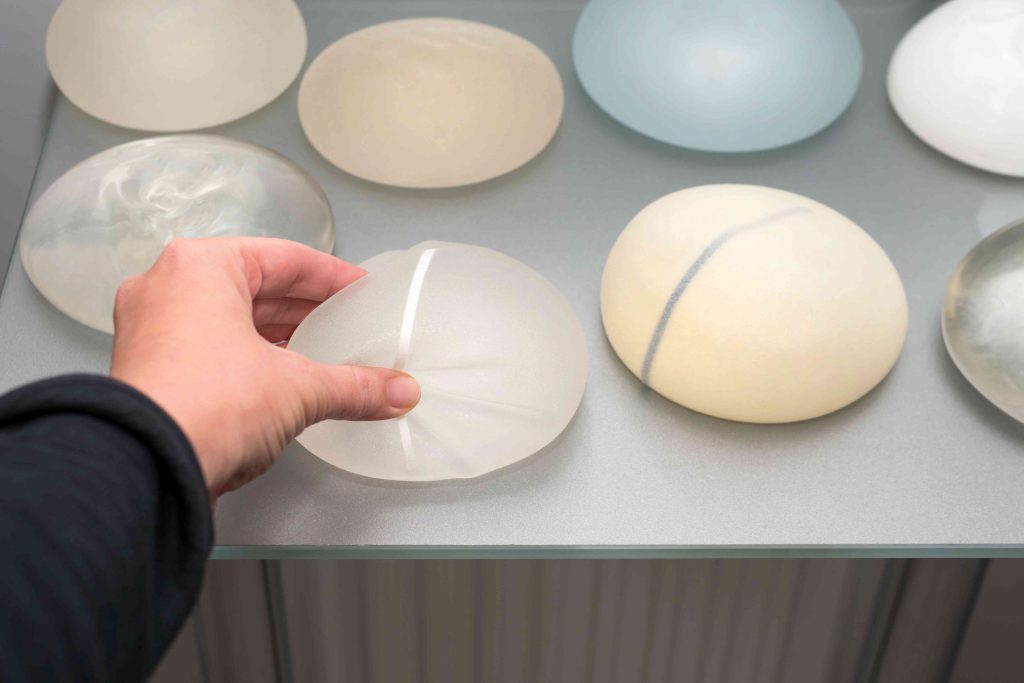
Breast augmentation consistently ranks among the most performed cosmetic surgical procedures in the United States, and one of the first and most consequential decisions patients face is implant type. “Saline vs. silicone” is one of the most searched breast augmentation questions online, and for good reason: the two options differ in feel, appearance, rupture behavior, monitoring requirements, and cost. The right answer depends on your anatomy, aesthetic goals, lifestyle, and risk tolerance. This guide offers an honest, complete comparison rather than a recommendation based on trends or preferences. By the end, you should have a clear picture of which option is more likely to suit your individual situation, and what to discuss with your surgeon during consultation.
Contents
- 1 A brief history of Breast Implant types
- 2 How saline and silicone implants are different: side-by-side comparison
- 3 The feel and look difference: what patients actually experience
- 4 Safety profile: what the FDA and research say
- 5 Which type is right for your body?
- 6 What about “Gummy Bear” implants? are they different?
- 7 How implant choice affects surgical technique
- 8 Cost considerations: Saline vs. Silicone
- 9 FAQ
- 9.1 Which feels more natural: saline or silicone?
- 9.2 How do I know if my silicone implant has ruptured?
- 9.3 Is saline or silicone safer?
- 9.4 Can I get silicone implants if I’m under 22?
- 9.5 Do silicone implants cause cancer?
- 9.6 What are gummy bear implants?
- 9.7 How long do saline and silicone implants last?
- 9.8 What happens if a saline implant ruptures?
- 9.9 Which type do most surgeons recommend?
- 10 Ready to decide? consult with Dr. Roham in Newport Beach
- 11 Sources
A brief history of Breast Implant types
Saline and silicone breast implants have both been part of cosmetic surgery for decades, and both are FDA-regulated medical devices subject to ongoing post-market surveillance. Saline implants are FDA-approved for cosmetic breast augmentation in patients 18 and older. Silicone gel implants are FDA-approved for cosmetic augmentation in patients 22 and older. The age difference reflects the longer history of saline use and the FDA’s additional monitoring requirements for silicone.
Today, the most commonly used silicone implants are filled with highly cohesive gel, a formulation that holds together and resists migration even if the outer shell is compromised. These are the implants sometimes referred to colloquially as “gummy bear” implants, though the term is used loosely across the industry. The FDA continues to issue safety communications about both implant types, and patients are encouraged to review those resources alongside their surgeon’s guidance.
How saline and silicone implants are different: side-by-side comparison
Both implant types use a silicone elastomer shell. The primary difference is what’s inside and how that fill material behaves over time. The table below summarizes the key distinctions at a glance.
The full comparison table
| Feature | Saline | Silicone (Cohesive Gel) |
| Fill material | Sterile saltwater | Cohesive silicone gel |
| FDA age approval | 18+ | 22+ |
| Feel | Firmer, may feel less natural | Softer, more natural feel |
| Appearance | More prone to visible rippling | Less prone to visible rippling |
| Rupture detection | Immediate: deflation is obvious | Silent rupture; imaging required |
| Rupture consequence | Body absorbs saline safely | Gel typically remains contained |
| Monitoring after rupture | Visual | MRI or ultrasound recommended |
| Incision size | Smaller (filled after placement) | Slightly larger (pre-filled) |
| Longevity | 10 to 20 years (varies) | 10 to 20 years (varies) |
| Profile/shape options | Wide range | Wide range |
| Texture options | Smooth | Smooth (and historically textured) |
For a detailed breakdown of what to expect over the lifespan of either implant type, see our guide on how long breast implants last.
The feel and look difference: what patients actually experience
How silicone implants feel compared to natural breast tissue
Silicone gel closely mimics the density and movement of natural breast tissue. Cohesive gel implants, which are the current standard, maintain their shape while still providing a soft, pliable feel that most patients and surgeons describe as the closer analog to natural tissue. For patients with limited natural coverage over the implant, silicone’s softer fill typically translates to a more convincing result than saline.
When saline implants look and feel natural
Saline implants can look and feel natural in patients who have adequate natural breast tissue to cover the implant. Sufficient tissue coverage reduces both palpability and the visibility of rippling. Patients with moderate breast volume or fuller chest skin generally have more flexibility in choosing between the two types without a significant difference in visible outcome.
Rippling: what it is and which implant type is more prone to it
Rippling refers to visible or palpable waves, wrinkles, or folds in the implant shell that show through the skin. It is more common with saline implants and more likely in patients with thin skin, minimal natural breast tissue, or very low body fat. It tends to appear in the outer and lower portions of the breast and may be most visible when bending forward. Submuscular placement, where the implant is positioned beneath the pectoralis muscle rather than directly behind the breast tissue, generally reduces rippling visibility for both implant types. Cohesive silicone gel implants are substantially less prone to visible rippling in most patients, which is one reason they are often recommended for patients with limited natural tissue coverage.
Safety profile: what the FDA and research say
Saline implant safety
Saline is the fill most associated with simplicity of rupture management. If a saline implant shell fails, the sterile saltwater is absorbed harmlessly by the body. Deflation is immediately apparent, making detection straightforward without imaging. The outer shell is made of silicone elastomer, the same material used in both types. Saline implants are associated with a higher risk of visible rippling but carry no systemic safety concern specific to their fill material.
Silicone implant safety and the silent rupture
Modern cohesive silicone gel is engineered to stay largely contained even if the outer shell is compromised, which is why ruptures may not produce any visible or palpable change. This is known as a silent rupture. The FDA recommends MRI screening beginning at five to six years post-surgery and every two to three years thereafter to detect silent ruptures that would not otherwise be apparent. For a deeper look at the science behind silicone implants and cohesive gel technology, see our complete guide to silicone breast implants.
A note on BIA-ALCL: Breast Implant-Associated Anaplastic Large Cell Lymphoma is a rare type of lymphoma, not breast cancer, that has been associated primarily with textured implant surfaces. According to data from the FDA and the American Society of Plastic Surgeons, smooth-surfaced implants, which are the most common type used today, have not shown the same association. If you have textured implants or questions about implant type, discuss this specifically with your surgeon. For a broader overview of potential breast implant complications, see our complications guide.
Breast Implant illness: what patients should know
Some patients report a constellation of systemic symptoms, including fatigue, joint pain, cognitive difficulty, and skin changes, that they attribute to their breast implants. This is commonly referred to as Breast Implant Illness (BII). The FDA recognizes BII as an area of ongoing study and takes patient-reported experiences seriously. Large-scale studies have not established a definitive causal link, but the FDA has acknowledged the need for continued research. If you have concerns about BII, discuss them directly with your surgeon and review the FDA’s breast implant safety communications at fda.gov for the most current guidance.
Which type is right for your body?
Candidates who often do well with silicone
Silicone gel implants are frequently recommended for patients with minimal natural breast tissue, as the softer fill produces more natural-looking results with less visible rippling where tissue coverage is thin. They are generally well-suited for patients who are 22 or older, prioritize the most natural look and feel, and are comfortable with the FDA’s recommended MRI monitoring schedule. Patients whose aesthetic goal is a soft, realistic result with minimal shell visibility are typically strong candidates.
Candidates who may prefer saline
Saline implants are a practical choice for patients who are 18 to 21 years old and therefore not yet within the FDA approval window for cosmetic silicone augmentation. They may also suit patients who prefer the straightforward rupture detection scenario that saline offers, want to minimize the volume of silicone material in their body, or prefer the smaller incision that saline placement typically allows. Patients who require frequent MRI scanning for unrelated medical conditions may also prefer saline, as silicone implants can affect MRI image quality in surrounding tissues.
Body type considerations
The single most important physical factor in choosing between implant types is tissue coverage: the amount of natural breast tissue and chest skin available to conceal the implant. Thin patients with minimal tissue are typically better candidates for silicone, where cohesive gel provides a more natural contour and substantially reduced rippling risk. Patients with moderate to full natural breast tissue have more flexibility and may achieve excellent results with either type.
Lifestyle considerations
Neither implant type is contraindicated for athletic activity once fully healed. Active patients and athletes generally do well with both saline and silicone, and implant type alone is not a determining factor for patients who exercise regularly. Some patients who engage in high-impact activities prefer silicone gel for its consistent, stable feel under physical stress, though this is a personal preference rather than a clinical recommendation.
What about “Gummy Bear” implants? are they different?
“Gummy bear” is a colloquial term for highly cohesive, form-stable silicone gel implants. These are typically anatomical (teardrop-shaped) implants engineered for maximum structural stability. They maintain their shape particularly well and are less likely to shift within the implant pocket. Most smooth round silicone implants available today use cohesive gel as well, so the “gummy bear” label is often used loosely to describe any cohesive silicone implant rather than a distinct product category. The practical distinction matters most when discussing form-stable versus more pliable cohesive gel options with your surgeon, rather than treating it as a separate implant type. Note that because “gummy bear” refers to a highly cohesive gel formulation rather than a separate implant category, the term is somewhat redundant when discussing modern silicone implants.
How implant choice affects surgical technique
Saline implants are inserted deflated and filled with sterile saltwater after placement, which allows for a shorter incision. Silicone implants arrive pre-filled and require a slightly longer incision to accommodate their volume. In practice, most surgeons use an inframammary fold incision for both implant types, placing the scar in the natural breast crease where it is minimally visible. The difference in incision length is modest and rarely a deciding factor for most patients, though it is worth discussing with your surgeon if scar minimization is a priority.
Cost considerations: Saline vs. Silicone
Silicone implants typically cost more than saline implants, with silicone adding approximately $1,000 to $1,500 to the implant component of the total surgical fee. However, the total cost of breast augmentation is determined by a combination of factors well beyond implant material, including surgeon’s fee, surgical facility, anesthesia, geographic location, and the complexity of the procedure. For a full breakdown of what drives breast augmentation pricing in California, see our guide on breast augmentation cost in California. If cost is a factor in your planning, financing options are available through Roham Plastic Surgery.
These figures are general market ranges provided for budgeting context only and do not reflect Dr. Roham’s pricing. Your specific quote is determined at consultation.
FAQ
Which feels more natural: saline or silicone?
Silicone gel implants are generally considered to feel closer to natural breast tissue for most patients. The cohesive gel mimics the density and movement of natural tissue more closely than saline, which can feel firmer, particularly in patients with minimal natural breast tissue coverage.
How do I know if my silicone implant has ruptured?
Cohesive silicone implants are prone to silent rupture, meaning there may be no change in feel or appearance. The FDA recommends MRI screening starting at five to six years post-surgery and every two to three years thereafter. If you notice any unexpected changes in breast shape, firmness, or asymmetry, contact your surgeon for evaluation. For a list of warning signs to watch for, see our guide on signs you may need implant replacement.
Is saline or silicone safer?
Both types have well-established safety profiles when placed by a trained, board-certified surgeon in an accredited surgical facility or accredited in-office suite. The primary practical safety difference is rupture detection: saline ruptures are immediately apparent and the fill is absorbed harmlessly by the body; silicone ruptures may be silent and require imaging to detect.
Can I get silicone implants if I’m under 22?
The FDA has approved silicone gel implants for cosmetic breast augmentation in patients 22 and older. Saline implants are FDA-approved for cosmetic augmentation in patients 18 and older. Silicone implants may be placed in younger patients for reconstructive purposes at a surgeon’s clinical discretion.
Do silicone implants cause cancer?
The FDA has identified an association between textured implants and BIA-ALCL, a rare lymphoma that is not breast cancer. Smooth-surfaced silicone implants, which are the most widely used type today, have not shown the same association. If you have specific concerns, discuss them with your surgeon and review FDA communications directly.
What are gummy bear implants?
“Gummy bear” is a colloquial term for highly cohesive, form-stable silicone gel implants, typically anatomical in shape. Most modern silicone implants use cohesive gel in some form; the gummy bear label most precisely refers to the most structurally stable, form-retaining variety.
How long do saline and silicone implants last?
Most implants last 10 to 20 years. They are not lifetime devices, but they do not need to be replaced on a fixed schedule if there are no complications. See our detailed guide on how long breast implants last for a full breakdown by milestone.
What happens if a saline implant ruptures?
A saline rupture is immediately visible: the implant deflates and the breast noticeably loses volume and shape. The saline is absorbed safely by the body. The ruptured implant requires surgical removal or replacement, but the rupture itself does not pose a systemic health risk.
Which type do most surgeons recommend?
Recommendation depends on individual anatomy, tissue coverage, aesthetic goals, and age. Many surgeons favor silicone gel for patients with thin tissue coverage due to the lower rippling risk and more natural feel. Saline remains a strong option for patients who prefer simpler rupture detection, are under 22, or have personal preferences around implant materials.
Ready to decide? consult with Dr. Roham in Newport Beach
The saline vs. silicone decision is best made in person, with a hands-on assessment of your tissue coverage, a review of your aesthetic goals, and a full conversation about your comfort with monitoring requirements and risk profiles. Dr. Ali Roham takes a patient-specific approach to implant selection and will walk you through both options in detail during your consultation at his Newport Beach practice.
To review real patient results before booking, visit the breast augmentation before-and-after gallery. To schedule your consultation, contact the office online or call (949) 269-6960.
Sources
- FDA, Breast Implants: fda.gov/medical-devices/breast-implants
- American Society of Plastic Surgeons, Saline vs. Silicone implant safety and patient education: plasticsurgery.org
- Mayo Clinic, Breast Implants overview: mayoclinic.org
- Plastic and Reconstructive Surgery Journal, Cohesive silicone gel implant outcomes and rupture rates: journals.lww.com/prsjournal
- NIH/PubMed, BIA-ALCL incidence and textured vs. smooth implant risk profiles: pubmed.ncbi.nlm.nih.gov