
Laser liposuction: procedure, benefits, and before & after photos 2025
Content
Looking good and feeling confident go hand in hand for many people. When diet and exercise aren't enough to target stubborn fat in specific areas, many turn to modern cosmetic procedures like laser liposuction. What is laser liposuction? It's an advanced body contouring technique that offers a less invasive alternative to traditional fat removal methods, helping people reshape their bodies with more precision and requiring only a few days of downtime.
In this guide, we'll explore what laser liposuction involves, who makes a good candidate, the benefits you can expect, and what recovery looks like after treatment.
What is laser liposuction?
Laser liposuction, also known as laser-assisted liposuction or SmartLipo, is a minimally invasive procedure that uses laser energy to liquefy unwanted fat before it's removed from the body. Unlike traditional liposuction, which simply suctions solid fat, the laser first melts the excess fat cells, making them easier to remove. This approach allows doctors to work with more precision when sculpting the body, and the heat from the laser tightens the skin at the same time.
Purpose and outcome
Laser lipo targets specific fat pockets that don't respond to diet and exercise. Many people have certain areas (like love handles, thighs, or the abdomen) where fat reduction seems impossible. Laser liposuction can remove these stubborn deposits while also tightening loose skin. This results in a smoother, more contoured body shape.
Who would be a good candidate for laser liposuction?
Laser lipo works best for people who are already fairly close to their ideal body weight but struggle with trouble spots. It's not designed as a weight loss solution but as a body sculpting tool to enhance your natural shape.
Good candidates include:
Adults with stubborn fat deposits that don't go away with diet and exercise
Those looking for a less invasive option compared to traditional liposuction
Patients who are generally healthy and have realistic expectations about results
Individuals who want both fat removal and skin tightening benefits
The most common reasons for laser liposuction
Stubborn fat pockets that won't budge despite healthy habits
Body contouring to achieve a more balanced, proportional shape
Skin tightening in areas that have lost elasticity
Improving self-esteem and body image
The benefits of laser liposuction
Precision fat removal
The laser technology allows doctors to target and remove excess fat with greater accuracy. This precision means they can sculpt more defined contours and reach smaller areas that might be harder to treat with traditional methods.
Skin tightening
One of the standout benefits of laser lipo is its skin-tightening effect. The laser stimulates collagen production in the skin, which helps prevent the loose, saggy skin that sometimes results from traditional liposuction.
Minimal downtime
Most patients resume light activities within one to two days after laser lipo. This accelerated recovery, significantly faster than traditional liposuction, allows for a quick return to normal routines.
Less invasive
Laser lipo requires only tiny incisions that often heal with minimal scarring. The procedure usually needs only local anesthesia, making it less risky than treatments requiring general anesthesia.
Enhanced contouring
The melting action of the laser allows for a smoother way to remove fat. This results in more natural-looking contours without the lumps or irregularities that can sometimes happen with traditional liposuction.
How much does laser liposuction cost?
The cost of laser liposuction typically ranges from $2,500 to $7,000 per treatment area. The final price depends on several factors, including the size of the treated area, your location, and your doctor's experience.
General risks of laser liposuction
Like any medical procedure, laser liposuction carries potential risks, though complications are rare when performed by qualified professionals.
Infection
Minor bleeding during or after treatment
Uneven results or asymmetry
Minimal scarring
Adverse reactions to anesthesia
Blood clots or fat embolism (rare)
Temporary or permanent nerve damage causing numbness
Fluid accumulation beneath the skin
Skin irregularities (bumpy, wavy, or dimpled appearance)
Prolonged swelling and bruising
Allergic reactions to medications or materials
Complications related to underlying health conditions
Organ damage (rare but possible with deep penetration)
Choosing a board-certified surgeon experienced in laser liposuction greatly reduces these risks.
The laser liposuction procedure explained
Step 1: Initial consultation
Your experience begins with a detailed consultation where your doctor will listen to your goals and examine the areas you want to treat. Together, you'll discuss what results you can realistically expect based on your body type and the amount of fat to be removed. Your doctor will also review your medical history to ensure laser liposuction is safe for you.
Step 2: Pre-procedure assessment
Before your procedure, you'll undergo a thorough health evaluation to confirm you're a good candidate. Your doctor will review your medications, allergies, and previous surgeries. You'll receive specific instructions before your procedure, such as avoiding certain medications that might increase bleeding.
Step 3: Anesthesia
Laser liposuction treatment typically uses local anesthesia, which means you'll be awake but won't feel pain in the treated area. Your doctor will inject a solution containing anesthesia and medication to reduce bleeding into the treatment area. This keeps you comfortable throughout the procedure while allowing for a quicker recovery compared to general anesthesia.
Step 4: The procedure
Once the area is numb, your doctor makes tiny incisions (usually just a few millimeters long) and inserts a small tube called a cannula containing a thin laser fiber. The laser emits energy that liquefies the fat cells, making them easier to remove. The liquefied fat gets gently suctioned out through the cannula. The heat from the laser also stimulates collagen production, which helps tighten the skin.
Step 5: Immediate aftercare
After the laser lipo procedure, the treated areas will be wrapped in compression garments to reduce swelling and help your skin conform to your new body contours. You might notice some fluid leaking from the incision sites, which is normal. Your doctor will give you specific instructions about caring for these sites, managing discomfort, and when to return for follow-up.
Immediate post-procedure care
During the first 24 to 48 hours after laser liposuction, you'll need to take it easy while your body heals. Expect some swelling, bruising, and soreness in the treated areas. Your doctor will likely prescribe pain medication to help manage any discomfort. It's essential to wear your compression garments as directed and keep the incision sites clean to prevent infection.
The first week: recovery expectations
The first week after laser liposuction brings improving comfort as the initial swelling begins to subside. You'll still notice bruising and swelling, but pain typically decreases each day. Continue wearing your compression garments and avoid strenuous activities. Gentle walking is encouraged to promote circulation and help reduce swelling, but avoid exercises that stress the treated areas.
Weeks 2-4: continuing recovery
By weeks two to four, most patients see major improvements in swelling and bruising. You'll likely return to most normal activities, though your doctor may advise waiting on intensive exercise. The treated areas might still feel firm or slightly numb, which is normal. You'll start to see your new body contours emerging as the swelling continues to decrease.
Managing minor discomfort
Some patients experience occasional twinges or sensitivity in treated areas for several weeks. Cold compresses can help with lingering tenderness, and gentle massage (if approved by your doctor) may help reduce hardness in treated areas. Staying well-hydrated and maintaining a healthy diet rich in healing nutrients can speed recovery and reduce discomfort.
Monitoring for complications
While serious complications are rare, contact your doctor immediately if you develop a fever, increased pain, unusual redness, warmth, or discharge from incision sites. Also report any shortness of breath or chest pain. These could indicate a serious complication requiring immediate attention.
Following your practitioner's guidelines
Your doctor's post-procedure instructions aren't just suggestions, they're essential for getting the best results. This includes wearing compression garments for the recommended time, taking prescribed medications, keeping incision sites clean, and limiting certain activities. Following these guidelines carefully helps ensure optimal healing and results.
Keeping follow-up appointments
Even if you feel great, don't skip your scheduled follow-up appointments. These visits allow your doctor to monitor your healing, address concerns, and adjust your recovery plan if needed. They're also a good time to ask questions about long-term care for maintaining your results.
Long-term maintenance and follow-up
The fat cells removed during laser liposuction are gone permanently. However, the remaining fat cells can still expand if you gain weight. Maintaining your results long-term requires following a healthy diet and regular exercise routine. Some patients choose to have touch-up treatments after several years if they notice changes in their body contours due to aging or lifestyle factors.
Returning to normal activities
Most patients can return to desk jobs within two to three days after laser liposuction. Light exercise like walking can resume within a few days, but more intense workouts should wait two to three weeks. Full recovery, including the resolution of all swelling and the appearance of final results, typically takes about three to six months. During this time, your body continues to adjust and reveal your new contours.
Real patient experiences: before and after photos
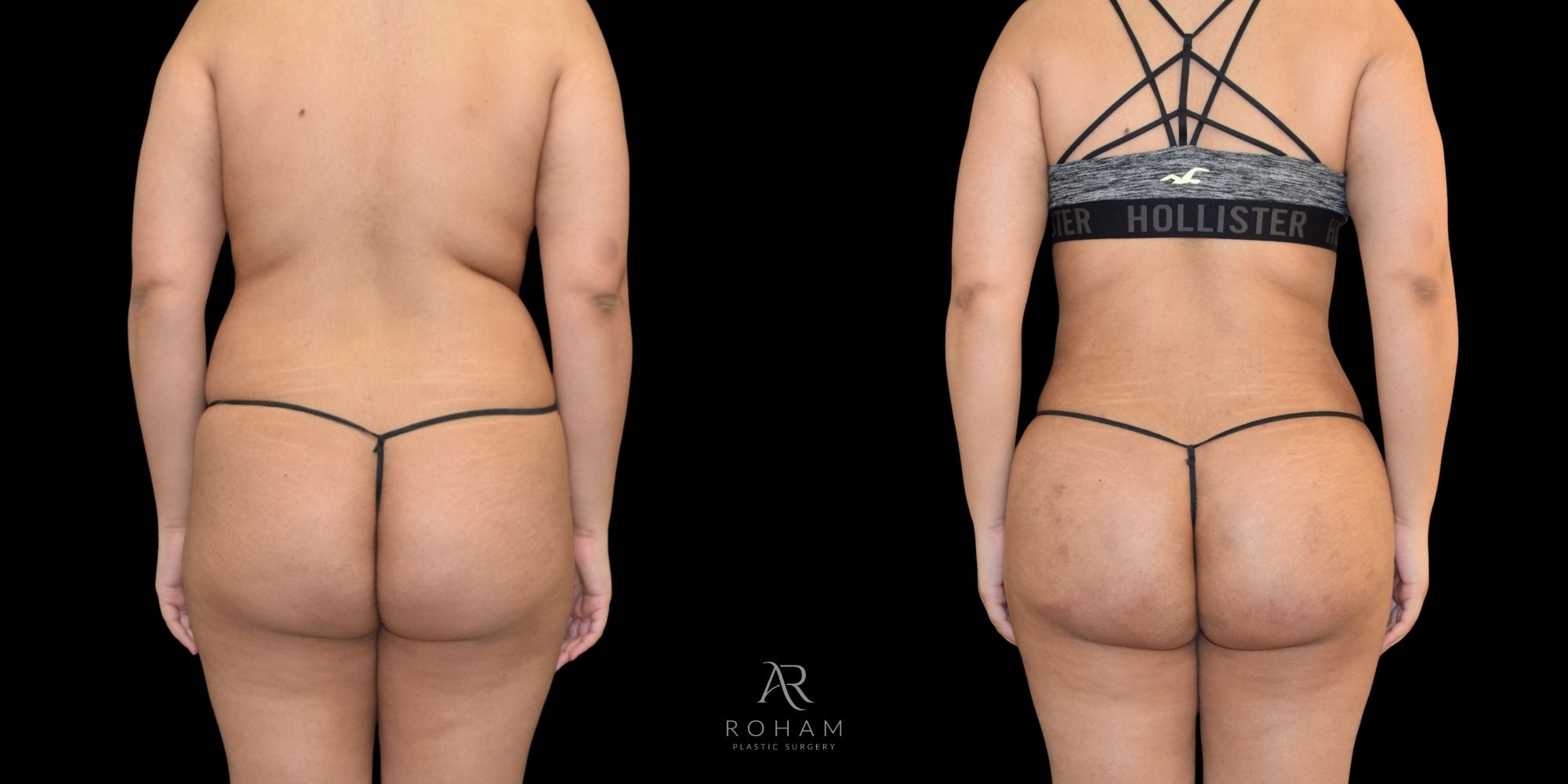
These before and after photos show the changes in body contours, skin tightness, and overall appearance that can result from laser liposuction. While these photos represent typical results, it's important to remember that individual outcomes vary based on body type, age, skin elasticity, and the amount of fat removed.

Frequently asked questions (FAQs)
Does laser liposuction help with large fat deposits?
Laser liposuction works best for removing small to moderate amounts of fat in specific areas. Patients with large fat deposits may need traditional liposuction or multiple sessions to achieve their desired results.
How long do the results of laser liposuction last?
The results from laser liposuction can last indefinitely if you maintain a stable weight. Weight gain after the procedure can cause remaining fat cells to enlarge, potentially affecting your results.
Can laser liposuction be combined with other procedures?
Laser liposuction often pairs well with other cosmetic treatments for enhanced results. Many doctors combine it with traditional liposuction for larger areas, skin tightening treatments for additional firmness, or tummy tucks for patients with excess skin. Your doctor can recommend combinations that will best help you achieve your aesthetic goals.
Is laser liposuction painful?
Most patients report minimal pain during laser liposuction thanks to the local anesthesia used throughout the procedure. After treatment, you'll likely experience soreness similar to how you feel after an intense workout. Your doctor will provide pain medication and detailed instructions for managing any discomfort during your recovery period.
Is laser liposuction permanent?
The fat cells removed during laser liposuction are permanently gone. However, maintaining your new shape depends on your lifestyle choices after the procedure. A balanced diet and regular exercise help ensure your results last for years to come.
Choosing the right practitioner for your laser liposuction
Throughout this article, we've explored how laser liposuction melts fat before removal, making it less invasive than traditional methods. It works best for people at a healthy weight with specific trouble spots, not as a weight loss solution. Proper aftercare: wearing compression garments, following activity restrictions, and attending follow-ups, ensures optimal healing and lasting results. The benefits include precision targeting, skin tightening through collagen stimulation, shorter recovery, and natural-looking results.
With these benefits in mind, selecting the right practitioner becomes the most important step for your laser liposuction procedure. Your comfort with your doctor matters just as much as their qualifications. Choose someone who listens to your concerns, answers your questions thoroughly, and makes you feel at ease. The right doctor will set realistic expectations and create a treatment plan tailored to your unique body and goals.
This commitment to personalized care and technical excellence sets Dr. Roham apart. A board-certified surgeon, he combines clinical expertise with an artistic eye for natural-looking results. His mastery of advanced laser techniques enables superior fat targeting and skin tightening, helping patients achieve desired body contours with minimal recovery time.
Call 949-269-7990 to schedule your consultation.