




Breast Reconstruction
Conveniently located to serve the areas of Newport Beach and Orange County, CA

For many women who have undergone mastectomy, breast reconstruction marks a meaningful step toward feeling whole again. The decision to reconstruct is deeply personal, and the process involves careful coordination between your oncology team and your surgeon to determine the right approach and timing for your situation.
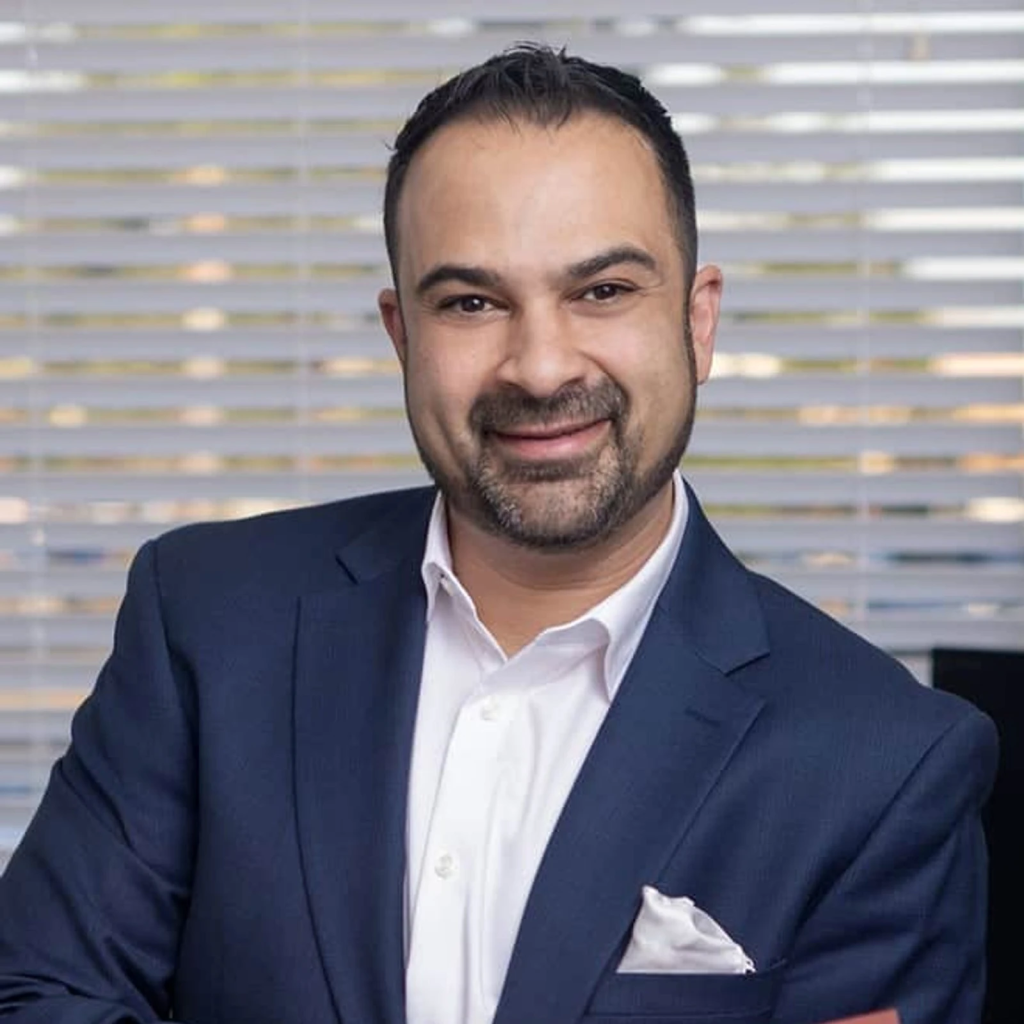
Dr. Ali Roham works closely with patients who have had or are facing mastectomy, bringing both surgical precision and genuine compassion to each case. His board certification with the American Board of Osteopathic Surgery, along with specialized plastic surgery training, provides the skill required to manage even complex reconstructive cases while prioritizing natural-looking outcomes that help patients move forward with confidence.
Contents
- 1 Why choose Dr. Roham for your Breast Reconstruction?
- 2 About breast reconstruction
- 3 Candidates
- 4 Benefits
- 5 Breast Reconstruction approaches
- 6 Recovery
- 7 Cost
- 8 FAQ
- 8.1 When is the best time to have Breast Reconstruction?
- 8.2 How many surgeries does reconstruction require?
- 8.3 Will the reconstructed breast look natural?
- 8.4 Will I have sensation in my reconstructed breast?
- 8.5 Can I have reconstruction if I’ve had radiation?
- 8.6 Will reconstruction interfere with cancer detection?
Why choose Dr. Roham for your Breast Reconstruction?
Breast reconstruction is among the most technically involved procedures in plastic surgery. It requires a surgeon who understands oncologic considerations, tissue healing after radiation or chemotherapy, and the anatomical nuances of rebuilding a breast that looks and feels natural. Dr. Roham’s comprehensive surgical training gives him the foundation for navigating these complexities, whether the reconstruction involves implants, the patient’s own tissue, or a combination of both.
About breast reconstruction
Breast reconstruction is a surgical procedure that rebuilds one or both breasts after mastectomy or significant tissue loss due to cancer treatment. The goal is to restore breast shape, contour, and volume so the chest appears balanced and natural, whether reconstruction involves one breast or both.
Reconstruction can be performed at the time of mastectomy (immediate reconstruction) or at a later date once cancer treatment is complete (delayed reconstruction). The timing depends on several factors including your treatment plan, skin condition, radiation history, and personal readiness. In some cases, Dr. Roham may also address the unaffected breast through augmentation, reduction, or lifting to achieve the best possible symmetry between both sides.
Candidates
Breast reconstruction is appropriate for a wide range of patients, and candidacy is determined in close coordination with your oncology team:
- Women who have undergone mastectomy for breast cancer treatment or prevention
- Patients who have completed or are planning to complete radiation or chemotherapy, with healing timelines factored into surgical planning
- Those in stable overall health with no active conditions that would significantly increase surgical risk
- Patients with realistic expectations about the reconstructive process, including the possibility of multiple stages
- Women who feel emotionally ready to pursue reconstruction, whether immediately after mastectomy or years later
Dr. Roham evaluates each patient’s medical history, tissue quality, prior treatments, and aesthetic goals to recommend the reconstructive approach that offers the best outcome for their specific circumstances.
Find out if you’re a candidate for breast reconstruction surgery. Call (949) 269-6960 to book your consultation with Dr. Roham.

Benefits
- Restored breast shape and contour that helps clothing and bras fit naturally again
- Improved body symmetry, particularly when the unaffected breast is also addressed for balance
- Renewed confidence and comfort in social, professional, and intimate settings
- Elimination of the need for external breast prostheses
- Long-lasting results that can continue to improve through staged refinements
The physical restoration is significant on its own, but many patients describe the emotional impact as equally powerful. Reconstruction can represent closure after a difficult chapter, helping women feel like themselves again in a way that external prosthetics often cannot.
Breast Reconstruction approaches
Implant-based reconstruction
Uses saline or silicone implants to rebuild the breast mound. In many cases, a tissue expander is placed first to gradually stretch the chest skin and muscle over several weeks, creating enough space to accommodate the final implant. Once expansion is complete, a second procedure exchanges the expander for a permanent implant. This approach typically involves shorter surgery and recovery compared to flap-based options, making it a practical choice for many patients.
Flap-based reconstruction
Uses the patient’s own tissue, typically taken from the abdomen, back, buttocks, or thigh, to form the new breast. The tissue flap may remain connected to its original blood supply and be tunneled to the chest, or it may be completely detached and microsurgically transplanted. Flap reconstruction tends to produce a very natural look and feel, and an added benefit is that the donor site is often left flatter and more contoured, similar to the results of a tummy tuck when abdominal tissue is used.
Nipple reconstruction and tattooing
Typically the final stage of the reconstructive process. Once the rebuilt breast has fully healed and settled, the nipple-areolar complex can be recreated using small skin grafts, local tissue rearrangement, or medical tattooing. This step adds the finishing detail that helps the reconstructed breast look complete and natural.
Implant-based reconstruction
Uses saline or silicone implants to rebuild the breast mound. In many cases, a tissue expander is placed first to gradually stretch the chest skin and muscle over several weeks, creating enough space to accommodate the final implant. Once expansion is complete, a second procedure exchanges the expander for a permanent implant. This approach typically involves shorter surgery and recovery compared to flap-based options, making it a practical choice for many patients.
Flap-based reconstruction
Uses the patient’s own tissue, typically taken from the abdomen, back, buttocks, or thigh, to form the new breast. The tissue flap may remain connected to its original blood supply and be tunneled to the chest, or it may be completely detached and microsurgically transplanted. Flap reconstruction tends to produce a very natural look and feel, and an added benefit is that the donor site is often left flatter and more contoured, similar to the results of a tummy tuck when abdominal tissue is used.
Nipple reconstruction and tattooing
Typically the final stage of the reconstructive process. Once the rebuilt breast has fully healed and settled, the nipple-areolar complex can be recreated using small skin grafts, local tissue rearrangement, or medical tattooing. This step adds the finishing detail that helps the reconstructed breast look complete and natural.
Recovery
First Week:
- Hospital or recovery center stay of one to several days depending on the complexity of the procedure
- Surgical drains in place to manage fluid accumulation during early healing
- Limited arm and upper body movement to protect the surgical site
- Pain managed with prescribed medications as swelling and bruising peak
Weeks 2-4:
- Gradual increase in light daily activities while avoiding lifting or strenuous movement
- Drain removal as fluid output decreases, typically within the first two weeks
- Follow-up appointments to monitor healing and plan next stages if applicable
- Continued wearing of supportive garments as directed
Months 1-6:
- Progressive return to normal activities as cleared by Dr. Roham
- Tissue expander fills (if applicable) occurring at regular intervals during this period
- Breast shape continues to develop as swelling resolves and tissues settle
- Planning for any additional stages such as implant exchange or nipple reconstruction
Dr. Roham provides individualized recovery guidance based on your specific procedure and coordinates closely with your oncology team to ensure reconstruction aligns safely with your broader treatment timeline.
Cost
Breast reconstruction costs vary based on the approach used, the number of stages involved, and the complexity of each patient’s situation. We provide transparent pricing that covers surgical fees, anesthesia, facility costs, and post-operative care so you can plan with confidence.
We also offer financing options to help manage the investment over time with affordable monthly payments. During your consultation, you’ll receive a detailed cost estimate specific to your reconstructive plan.
Insurance coverage for Breast Reconstruction
Breast reconstruction may be covered by insurance in certain circumstances, particularly when performed following mastectomy. Coverage requirements and approval processes vary by carrier and plan.

FAQ
When is the best time to have Breast Reconstruction?
Timing depends on your cancer treatment plan and personal preferences. Immediate reconstruction is performed at the time of mastectomy, while delayed reconstruction occurs weeks, months, or even years later. Dr. Roham works with your oncology team to determine the ideal timing for your situation.
How many surgeries does reconstruction require?
The number of procedures varies. Implant-based reconstruction with expanders typically involves two surgeries, while flap-based reconstruction may be completed in one. Additional stages for nipple reconstruction or symmetry adjustments are common and planned into the overall timeline.
Will the reconstructed breast look natural?
Modern reconstruction techniques can produce very natural-looking results. While a reconstructed breast will differ from a natural breast in some ways, most patients are pleased with the appearance, and results continue to improve as healing progresses and refinements are made.
Will I have sensation in my reconstructed breast?
Some degree of sensation may return over time, though it varies significantly between patients and depends on the type of reconstruction performed. Nerve regeneration is gradual and can continue for a year or more after surgery.
Can I have reconstruction if I’ve had radiation?
Yes, though radiation can affect tissue quality and healing. Dr. Roham takes radiation history into careful consideration when recommending the reconstructive approach, as some methods are better suited than others for irradiated tissue.
Will reconstruction interfere with cancer detection?
Reconstruction does not prevent future cancer monitoring. Mammography, MRI, and physical examination remain effective screening tools after reconstruction, and your oncology team will continue to guide your surveillance plan.