



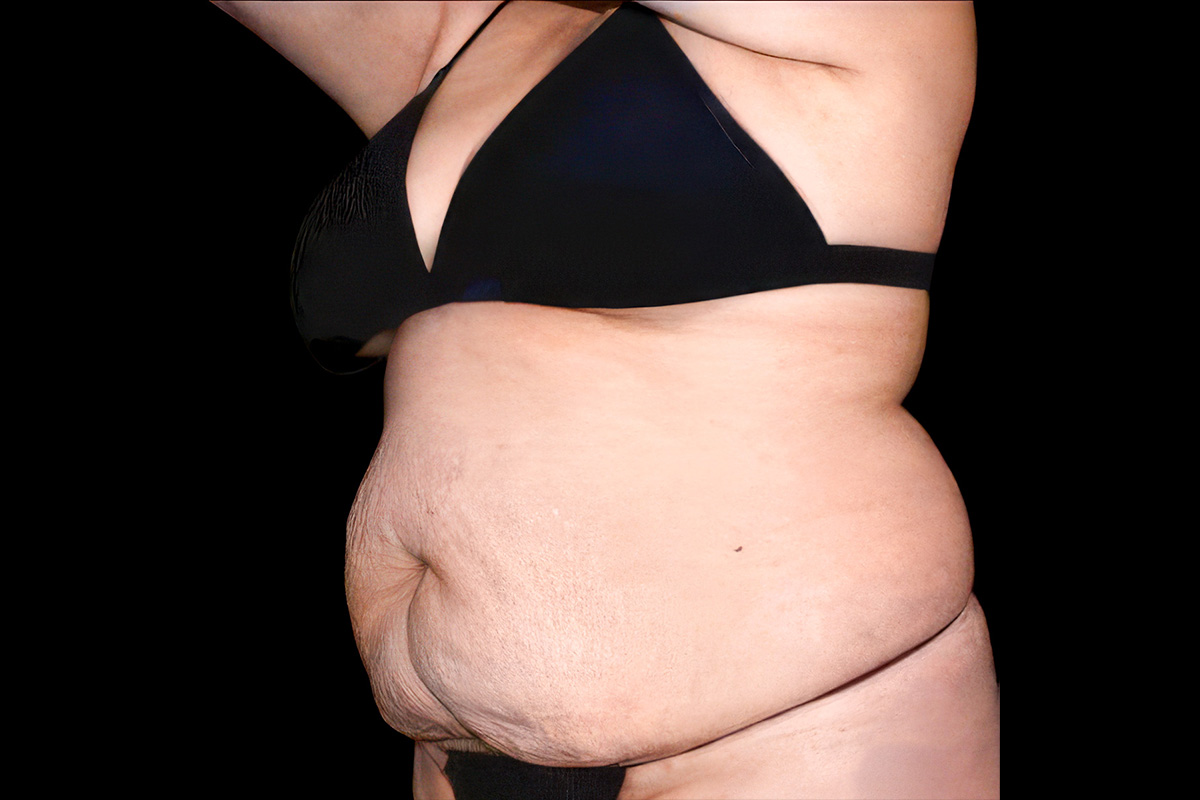
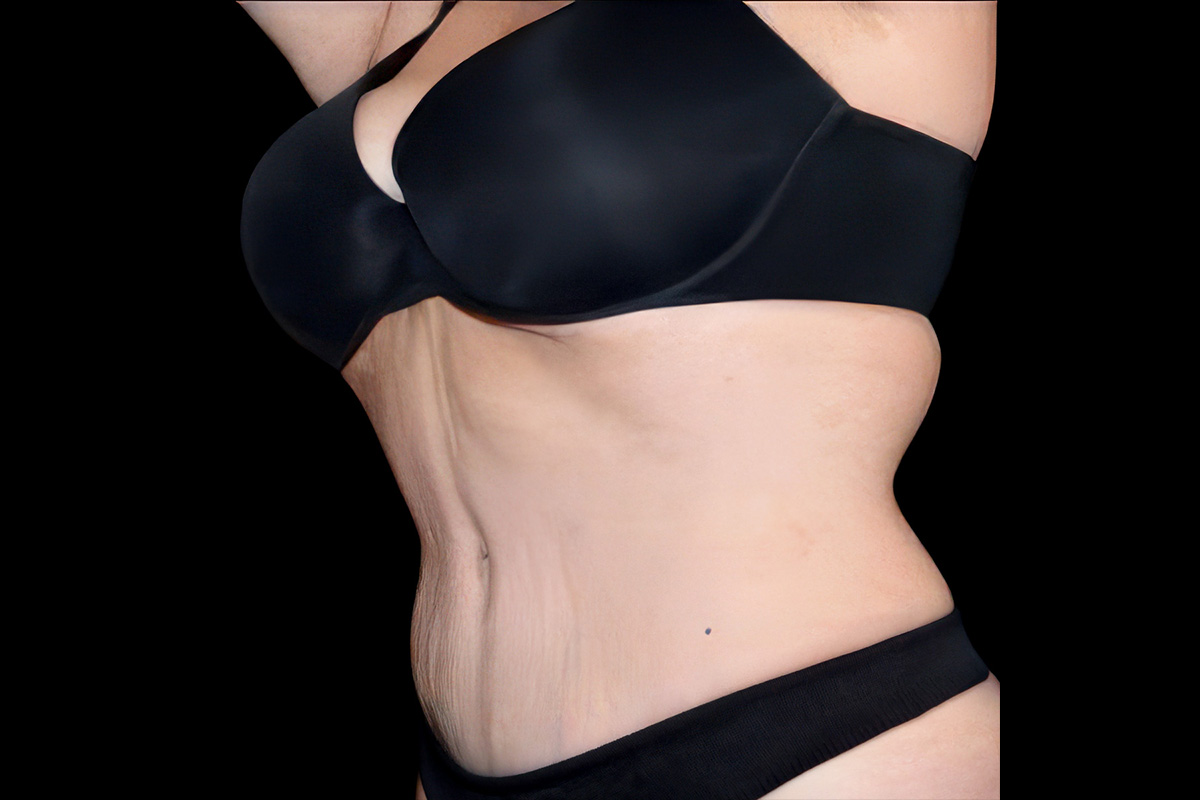
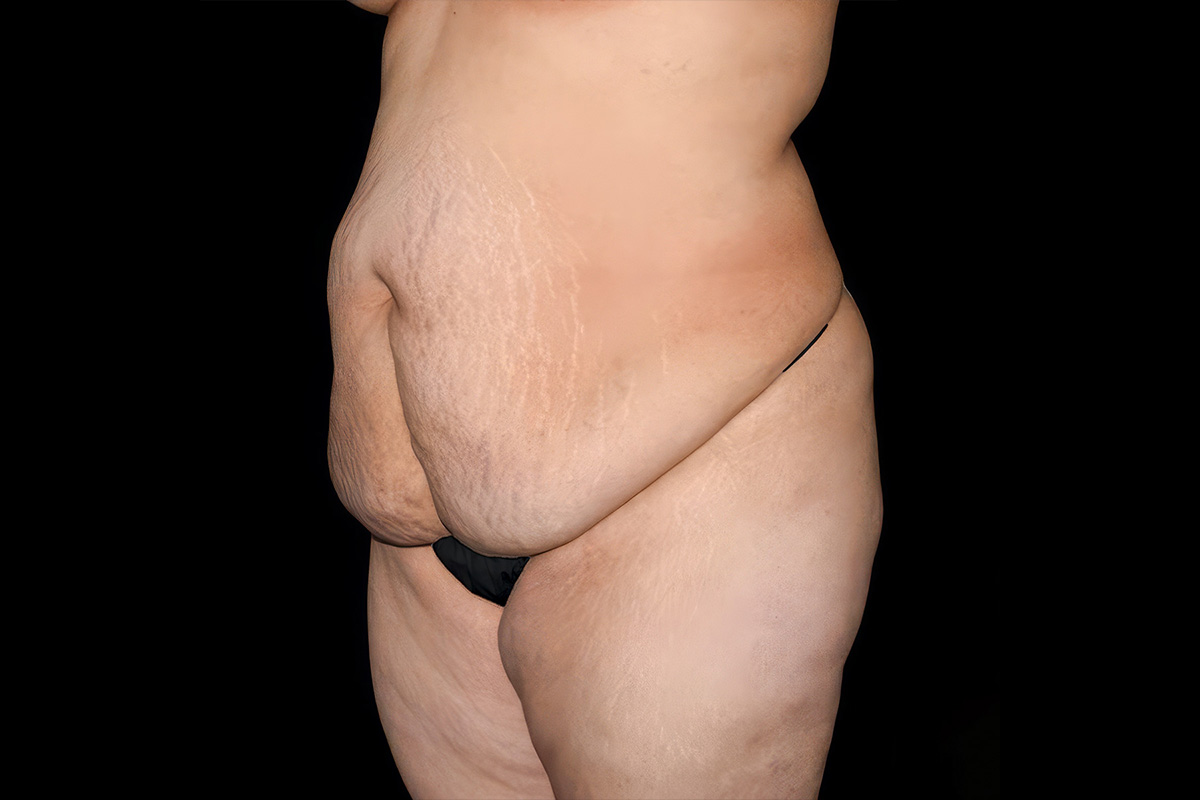
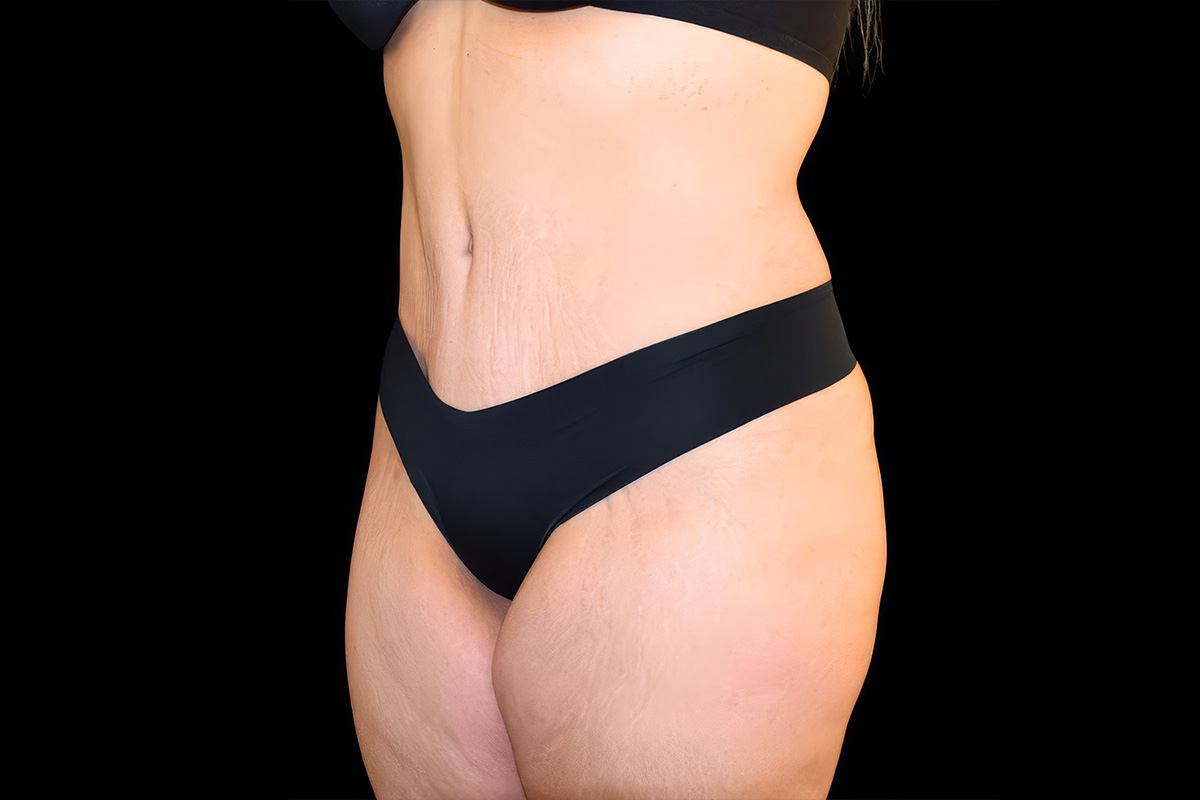


Few cosmetic procedures have generated more cultural conversation in recent years than the Brazilian butt lift. It is one of the most searched cosmetic surgeries globally, and that interest is matched by a body of real safety data that every prospective patient deserves to understand before booking anything. This guide does not gloss over the risks. BBL has historically carried genuine dangers, and those dangers are now well documented, well understood, and substantially mitigated by modern surgical technique. What changed, how it changed, and what you should ask a surgeon to confirm before agreeing to any procedure are the questions this guide is designed to answer. For patients across Orange County considering this surgery, Dr. Roham’s Newport Beach practice prioritizes technique and patient safety over procedure volume.
Contents
- 1 What is a Brazilian Butt Lift (BBL)?
- 2 Understanding BBL safety: the honest conversation every patient deserves
- 3 The BBL procedure: step by step
- 4 BBL results: what to realistically expect
- 5 BBL recovery: a realistic timeline
- 6 BBL cost in California: what to budget for
- 7 BBL in Newport Beach, Orange County: what a consultation with Dr. Roham covers
- 8 FAQ
- 8.1 Is a BBL safe in 2026?
- 8.2 What is the difference between SAFE BBL and traditional BBL?
- 8.3 How much fat do I need to qualify for a BBL?
- 8.4 How long do I have to avoid sitting after a BBL?
- 8.5 Will my BBL results look natural?
- 8.6 Can a BBL be combined with a Tummy Tuck?
- 8.7 Does BBL hurt? what is the pain level during recovery?
- 8.8 What is the mortality risk of BBL in 2026 with modern technique?
- 8.9 How do I find a surgeon who does SAFE BBL?
- 8.10 Can I get a BBL if I have had previous Liposuction?
- 9 Schedule a BBL consultation with Dr. Roham in Newport Beach
- 10 Sources
What is a Brazilian Butt Lift (BBL)?
A Brazilian butt lift is not an implant procedure. It is a fat transfer operation. Fat is harvested from the patient’s own body through liposuction, processed to isolate viable fat cells, and then re-injected into the buttocks to add volume and improve shape. The procedure offers a dual benefit: donor areas are slimmed through liposuction while the buttocks gain projection and contour. The name is cosmetic marketing, not a geographic reference.
How BBL differs from butt implants
Butt implants use silicone devices placed surgically within or beneath the gluteal muscle. They are appropriate for patients who do not have sufficient donor fat for a fat transfer procedure. BBL uses the patient’s own tissue, which means results feel entirely natural because the transferred material is autologous. This post focuses on fat transfer BBL. Implants represent a different procedure with different candidacy requirements, risks, and recovery.
Who is a candidate for BBL surgery?
The most important candidacy requirement is having sufficient donor fat, typically a harvestable volume of approximately 1,000 to 1,500 cubic centimeters or more across donor sites such as the abdomen, flanks, back, and inner thighs. Good skin elasticity supports better contouring results at both donor and recipient sites. Non-smoking status, or a firm commitment to cessation well in advance of surgery, is required for safe wound healing. BMI considerations apply: patients who are very lean present different challenges, and realistic expectations about achievable volume are essential for all candidates regardless of body type. Your surgeon will assess all of these factors during a physical evaluation.
Understanding BBL safety: the honest conversation every patient deserves
BBL has historically carried the highest mortality rate of any elective cosmetic procedure. That fact deserves to be stated plainly. It is also the starting point for understanding why modern technique matters as much as it does, and what separates a well-performed BBL in 2026 from the procedures that generated those statistics.
Why BBL had a high historical risk and what the data shows
The primary cause of BBL-related deaths was pulmonary fat embolism: fat injected deep into the gluteal muscle, or inadvertently into gluteal vasculature, entered the bloodstream and traveled to the lungs. The gluteal region contains large veins that run through and beneath the muscle, and when fat was injected at depth into or near those vessels, the consequences could be fatal.
A multi-society task force convened by the American Society for Aesthetic Plastic Surgery and the American Society of Plastic Surgeons analyzed this risk in depth beginning in 2018. Their findings identified the injection technique, specifically depth of placement, as the primary driver of mortality. The task force estimated the mortality rate at that time to be as high as one in 3,000 procedures. This is what prompted the development of updated safety protocols.
What is SAFE BBL technique?
SAFE BBL stands for Subcutaneous Aesthetic Fat Embolization technique. The principle is straightforward: fat is injected exclusively into the subcutaneous fat layer, which sits above the gluteal muscle, and never into or below the muscle itself.
Is BBL surgery safe in 2026? With the adoption of SAFE technique protocols, BBL mortality risk has dropped significantly. The subcutaneous layer contains smaller, less dangerous vasculature than the muscle layer, which means the risk of fat entering the bloodstream is substantially lower when injection is confined to this plane. Surgeons trained in SAFE BBL use specific cannula angles, controlled insertion depth, and layered injection passes to ensure fat is deposited subcutaneously throughout the procedure. When combined with ultrasound guidance, this approach represents the current standard of care for safe gluteal fat transfer. Patients should confirm that any surgeon they consult with uses subcutaneous-only injection technique before proceeding.
Ultrasound-guided cannula placement: the next level of safety
Real-time ultrasound guidance allows the surgeon to visualize the position of the cannula tip throughout the fat injection process, confirming at every pass that the cannula remains in the subcutaneous layer and has not migrated into the muscle. This eliminates the guesswork that previously made deep injection an undetected risk.
Not all surgeons use ultrasound guidance during BBL. It requires additional equipment, training, and procedural time. Asking whether a surgeon uses ultrasound guidance during BBL fat injection is one of the most important questions a patient can ask during any consultation for this procedure. Dr. Roham uses ultrasound-guided technique as part of his BBL approach.
How to choose a surgeon who follows SAFE BBL protocols
Before committing to any surgeon for BBL, ask these questions directly. Does the surgeon use subcutaneous-only fat injection, and can they explain what that means technically? Is ultrasound guidance used during the fat transfer portion of the procedure? What is the surgeon’s annual case volume for BBL specifically? Is the surgery performed in an accredited surgical facility or an accredited in-office suite? Who administers anesthesia, and what are their credentials? A board-certified surgeon who answers these questions clearly and specifically is demonstrating the kind of transparency that correlates with safe practice. Any surgeon who dismisses these questions or cannot answer them precisely is not a surgeon you should proceed with.
The BBL procedure: step by step
Step 1: Liposuction harvest
The procedure begins with tumescent liposuction to harvest fat from donor areas. The most common donor sites are the abdomen, flanks, lower back, and inner thighs, though the specific areas depend on each patient’s anatomy and where excess fat is available. Fat is collected in a sterile closed system to minimize contamination and cellular damage. The volume harvested is intentionally greater than what will ultimately be transferred, accounting for the fat lost during processing and the percentage that will not survive long-term. For patients who want a deeper understanding of how liposuction works as a standalone procedure, our complete liposuction guide covers the procedure in detail.
Step 2: fat processing
After harvesting, the collected fat is processed to isolate viable adipocytes and remove blood, tumescent fluid, damaged cells, and oil. The two most common processing methods are centrifugation and gravity separation. Processing technique affects fat cell viability and ultimately influences long-term survival rates. Only the healthiest, most intact fat cells are selected for transfer.
Step 3: fat transfer and shaping
Processed fat is re-injected into the buttocks using a cannula in multiple controlled passes through the subcutaneous layer. The surgeon shapes both the donor and recipient areas simultaneously: the contour improvement comes as much from what is removed during liposuction as from what is added during injection. Ultrasound guidance confirms subcutaneous placement throughout the transfer phase. A full BBL procedure typically takes two and a half to four hours under general anesthesia.
BBL results: what to realistically expect
How much volume will survive?
Not all transferred fat survives. Only cells that successfully establish a blood supply in their new location remain viable. Most peer-reviewed studies report long-term fat survival rates in the range of 60 to 80 percent of the transferred volume. The majority of volume loss occurs in the first three to six months as non-viable cells are reabsorbed. Surgeons overfill at the time of injection to account for this, but the final retained volume cannot be predicted with precision for any individual patient. Post-operative care, particularly adhering to sitting restrictions, plays a meaningful role in survival rates.
What results look like at 3 months vs. 1 year
Swelling in the early weeks obscures the true result. At three months, most of the swelling has resolved and patients get a representative sense of their outcome. At one year, the result is final. Fat that has survived has fully integrated into the tissue and behaves like native fat. Patients considering BBL should view before-and-after photos of patients with similar body types rather than focusing on dramatic transformations that may not reflect their own anatomical starting point. You can browse Dr. Roham’s BBL before and after photos for reference.
BBL longevity: do results last?
Transferred fat that survives behaves like the body’s own fat tissue: it responds to weight changes. Significant weight loss after BBL can reduce the volume gained. Weight gain can increase it. Patients who maintain a stable weight after surgery tend to preserve their results long-term. The fat that survives the initial transfer is considered permanent in that it does not disappear on its own over time the way a temporary filler would.
BBL recovery: a realistic timeline
A dedicated recovery guide covering BBL in full detail is forthcoming. This section provides the essential overview.
Days 1 to 7: the first week after BBL
The first week involves the most significant restrictions. Direct pressure on the buttocks must be avoided entirely. When sitting is unavoidable, a BBL pillow is used to transfer body weight through the thighs rather than the buttocks. Compression garments are worn continuously over the liposuction donor areas. Swelling and bruising at both the donor sites and the buttocks are expected and normal. Sleep is on the stomach or side. Drains may be present depending on the extent of liposuction.
Weeks 2 to 6: restricted sitting protocol
Most surgeons recommend avoiding direct buttock pressure for six to eight weeks. The rationale is straightforward: compression of the buttocks reduces blood flow to the transferred fat cells during the critical period when they are establishing their blood supply. Disrupting that process reduces fat survival. The BBL pillow technique allows patients to sit at a desk or in a vehicle without placing weight directly on the buttocks. Compliance with this protocol is one of the most important variables in long-term results.
Months 2 to 6: swelling resolution and final shape
Light walking is permitted and encouraged from the first week. More active cardio is typically cleared at six to eight weeks. Full exercise, including resistance training, is usually cleared at around three months. The final shape continues to develop as swelling resolves and fat settles into its permanent position. Most patients see their representative final result around the three-month mark, with the true final outcome visible at six months.
Return to work after BBL
Patients with desk jobs can typically return to work within two to four weeks using a BBL pillow for seating. Jobs that require standing for extended periods can often be returned to within two to three weeks. Physically demanding jobs that involve lifting or active movement typically require four to six weeks off. Most patients feel comfortable resuming social activities by weeks three to four, still wearing their compression garment.
BBL cost in California: what to budget for
BBL cost in California varies considerably based on the surgeon’s experience and credentials, the facility where surgery is performed, anesthesia fees, the number of donor sites involved in liposuction, and the geographic market. In major California markets, comprehensive BBL procedures generally range from approximately $12,000 to $20,000 or more when all fees are included.
These figures are general market ranges provided for budgeting context only and do not reflect Dr. Roham’s pricing. Your specific quote is determined at consultation.
Premium markets such as Beverly Hills and Newport Beach tend toward the higher end of this range, reflecting the concentration of highly credentialed surgeons and premium surgical facilities in those areas.
What is included in BBL cost?
A complete surgical quote should include the surgeon’s fee, anesthesia fee, surgical facility fee, compression garments, and all scheduled post-operative appointments. Items that may be additional include prescription medications, a BBL pillow (required for recovery), and lymphatic massage sessions, which many surgeons recommend to support healing and reduce swelling at donor sites.
BBL financing options
Financing options are available through Roham Plastic Surgery. Most practices also work with third-party medical financing providers such as CareCredit and Alphaeon Credit, which offer flexible payment plans that allow patients to manage the cost over time.
BBL in Newport Beach, Orange County: what a consultation with Dr. Roham covers
During a consultation, the evaluation covers candidacy assessment based on donor fat availability and skin quality, a physical assessment of donor site anatomy, a discussion of realistic expected harvest volume and projected outcome, a review of shaping goals specific to your body, and a full explanation of the SAFE technique and ultrasound guidance protocol used. Patients leave the consultation with a clear picture of what is achievable for their specific anatomy and what the surgical plan would involve.
FAQ
Is a BBL safe in 2026?
Yes, BBL is considered safe for appropriate candidates when performed by a trained surgeon using SAFE technique (subcutaneous-only fat injection) and ultrasound guidance in an accredited facility. The historical mortality risk was tied to specific technique errors that modern protocols address directly. Patients should confirm that their surgeon uses subcutaneous-only injection and, ideally, ultrasound guidance before proceeding.
What is the difference between SAFE BBL and traditional BBL?
Traditional BBL injected fat at varying depths, including into and below the gluteal muscle, where large vascular structures create a fat embolism risk. SAFE BBL restricts all fat injection to the subcutaneous layer above the muscle, where vasculature is smaller and the embolism risk is substantially lower. Ultrasound guidance adds real-time visual confirmation of cannula placement.
How much fat do I need to qualify for a BBL?
Most surgeons look for approximately 1,000 to 1,500 cubic centimeters or more of harvestable fat across donor sites. Very lean patients may not have sufficient donor volume for meaningful augmentation. Your surgeon will assess this during a physical evaluation.
How long do I have to avoid sitting after a BBL?
Most surgeons recommend six to eight weeks of avoiding direct pressure on the buttocks. A BBL pillow allows patients to sit while keeping weight off the buttocks during this period.
Will my BBL results look natural?
Because BBL uses your own fat rather than a foreign implant, the results feel like natural tissue. Aesthetic naturalness also depends on the skill of the surgeon in sculpting both donor and recipient areas proportionately for your body.
Can a BBL be combined with a Tummy Tuck?
Yes. BBL is sometimes combined with a tummy tuck or included as part of a broader mommy makeover plan. Combining procedures extends surgical time and recovery but can reduce overall downtime compared to staging procedures separately. Your surgeon will advise whether combination surgery is appropriate for your specific case.
Does BBL hurt? what is the pain level during recovery?
Surgery itself is performed under general anesthesia. Post-operative discomfort comes primarily from the liposuction donor sites rather than the buttocks injection sites. Most patients describe the soreness as similar to a deep muscle workout, manageable with prescribed pain medication in the first week and over-the-counter options thereafter.
What is the mortality risk of BBL in 2026 with modern technique?
The historical mortality rate of approximately one in 3,000 was associated with older injection techniques involving intramuscular fat placement. With SAFE technique and ultrasound guidance, that risk is understood to have dropped substantially, though precise current mortality data continues to be studied. Choosing a surgeon who strictly follows subcutaneous-only injection protocols is the most important step a patient can take to minimize this risk.
How do I find a surgeon who does SAFE BBL?
Ask directly during any consultation whether the surgeon uses subcutaneous-only fat injection and whether ultrasound guidance is part of their technique. Verify board certification through a recognized certifying body such as the American Osteopathic Board of Surgery (certification.osteopathic.org) or the American Board of Plastic Surgery. Confirm that surgery is performed in an accredited facility.
Can I get a BBL if I have had previous Liposuction?
Prior liposuction in donor areas does not automatically disqualify a patient, but it may reduce available donor fat volume. Your surgeon will evaluate whether sufficient harvestable fat remains and whether prior liposuction has affected tissue quality at the donor sites.
Schedule a BBL consultation with Dr. Roham in Newport Beach
Dr. Ali Roham is certified by the American Osteopathic Board of Surgery in Plastic and Reconstructive Surgery and completed a five-year general surgery residency at Henry Ford Health System followed by a three-year plastic surgery fellowship at Beaumont Health Systems. His Newport Beach practice serves patients throughout Orange County who are looking for a surgeon who approaches BBL with the same technical rigor and patient-first philosophy that informs every procedure he performs.
To view real patient results, visit the BBL before and after gallery. To schedule your consultation, contact the office online or call (949) 269-6960.
Sources
- ASAPS/ASPS Multi-Society Task Force on Safety in Gluteal Fat Grafting, 2018 findings and updated protocols: plasticsurgery.org
- American Society of Plastic Surgeons, BBL safety guidelines and procedural statistics: plasticsurgery.org
- Aesthetic Surgery Journal, Subcutaneous vs. intramuscular fat injection safety and fat survival rate research: aestheticsurgeryjournal.com
- NIH/PubMed, Fat embolism mechanism and ultrasound-guided injection technique studies: pubmed.ncbi.nlm.nih.gov
- American Osteopathic Board of Surgery, Credential verification: certification.osteopathic.org